
Lieferung heute & morgen

Qualitätsgarantie

Willkommens-Angebote freischalten: KOSTENLOSE Lieferung | Bis zu 80 % RABATT | Kostenlose 30-Tage-JoyPlus-Testphase
App herunterladen
Anyone looking to buy men’s sports shoes is faced with a wide choice of cushioning systems, sole profiles and brands. However, a striking product name or particularly soft midsole says little about whether a shoe is suitable for your intended use. What matters is the combination of fit, load, surface and construction details.
A highly cushioned midsole can feel comfortable when running on the road. However, for quick changes of direction in basketball or during gym training, lateral support and torsional control are also important. A running shoe is therefore not automatically suitable as an indoor court shoe.
When describing lightweight cushioned running shoes, you should also distinguish between weight, foam construction and actual stability. Soft does not necessarily mean controlled, and a particularly springy material will not suit every running style.
If you need more room in the forefoot, you should not simply order a significantly larger size as a general rule. This can cause the heel to slip. It is better to choose a model with a deliberately wider last, such as running shoes with a wide toe box. Your toes should be able to spread out while the heel remains secure.
A rubber sole designed for asphalt needs to offer different properties from an indoor court sole or a tread intended for woodland and gravel paths. For outdoor activities, abrasion resistance and grip on changing surfaces are important. With men’s basketball shoes, good contact with the court, controlled stopping and lateral stability are the priorities.
First, match the shoe to its primary use:
A lifestyle model such as the adidas Samba OG Men is designed for everyday wear and urban journeys. Its flat rubber sole differs in construction from that of a modern marathon running shoe.
The midsole is often made from EVA or manufacturer-specific foams. Do not just check the marketing terms; look at the actual construction:
Claims such as “more rebound” or “less strain” should be viewed as the manufacturer’s product description. They do not replace an individual assessment of fit or medical advice.
Ideally, measure both feet in the evening while wearing the socks you intend to wear later. Then compare your foot length in centimetres with the size chart for the relevant brand. adidas, Li-Ning, Nike and other manufacturers may use differently shaped lasts.
There should be some room for movement in front of the toes in running shoes. In a basketball shoe, on the other hand, your foot must not slide forwards. A narrower construction may be suitable for a narrow foot, while models with a more generous last are often better for a wider forefoot. Before buying, check the sizes and variants listed in the range again on the product page.
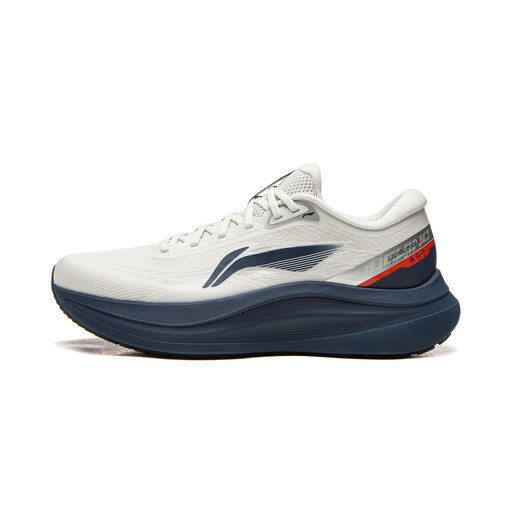
Why this product suits the profile: This model combines a continuous Tempo-Bounce midsole with a wider toe box, making it suitable for beginners who want to train on roads and paved paths.
The product description specifies the last shape, widened heel and zoned rubber outsole, rather than making only a general comfort claim.
Textile upper, EVA foam and rubber outsole; according to the product information, this version is designed to fit true to size.
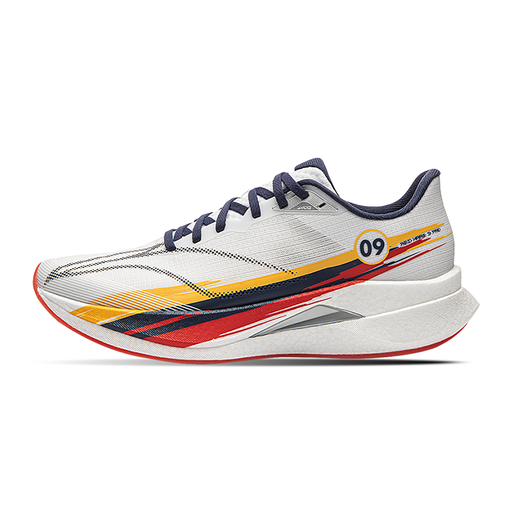
Why this product suits the profile: For regular runners covering high mileages, the construction offers a wide platform, a dual-layer BOOM midsole and rocker geometry to support the transition through the gait cycle.
The description specifies the platform width, TPU element and GCR sole profile. This makes it possible to assess the advertised stability based on the individual components.
Breathable fabric, dual-layer BOOM foam and a profiled rubber outsole; the last provides more room in the forefoot.
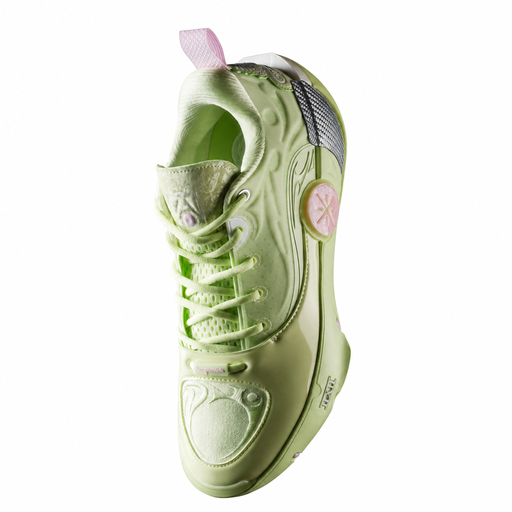
Why this product suits the profile: This model is aimed at players looking for a basketball shoe for indoor and outdoor courts, with a grippy GCU outsole and a performance-focused fit.
The outsole and reinforced heel plate are explicitly listed. This shows that the shoe is described for lateral court movements, not just everyday wear.
Dual-layer SUPER-BOOM midsole, carbon-fibre plate in the heel area and GCU outsole; a half size larger is recommended for wider feet.
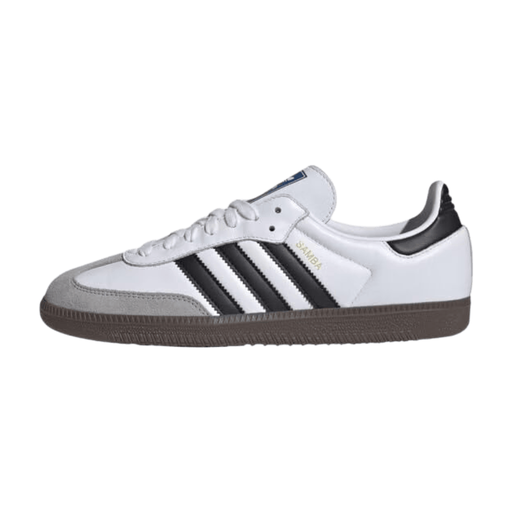
Why this product suits the profile: These trainers are suitable for everyday wear, the office and leisure. The suede upper and flat natural rubber sole define the classic look.
The product data specifies the materials, type of sole and care instructions. This clearly positions the shoe as a casual trainer rather than a running shoe.
Suede upper, synthetic lining and natural rubber sole; according to the product information, the size chart ranges from EU 36 to EU 48.
We have put together a complete, regularly updated list of products that fully meet these strict selection criteria and the safety regulations applicable in the EU.
Lifespan depends on body weight, training volume, surface and care. Running shoes used for regular sessions usually show wear first on the outsole and midsole. Basketball shoes should be checked for cracks, reduced heel hold and uneven sole wear.
A few simple rules apply to shoe care:
For regular running, specially designed men’s running shoes with suitable cushioning, secure heel hold and an appropriate outsole are a sensible choice. Flat casual trainers or basketball shoes may be suitable for short everyday journeys, but they are not automatically designed for longer runs.
The heel should slip as little as possible when walking and running. Your toes need enough freedom of movement in the forefoot without your foot sliding around inside the shoe. Measure your foot length and consider whether you wear thin or thicker sports socks.
The price depends, among other things, on the foam technology, materials, sole construction, brand and intended use. Therefore, do not compare only the purchase price; also consider the fit, expected use and care requirements. An inexpensive shoe is not a sensible purchase if it has been constructed incorrectly for the activity you intend to do.