
Lieferung heute & morgen

Qualitätsgarantie

Willkommens-Angebote freischalten: KOSTENLOSE Lieferung | Bis zu 80 % RABATT | Kostenlose 30-Tage-JoyPlus-Testphase
App herunterladen
Buying men’s sports shoes may seem straightforward at first glance. However, many models advertise particularly high cushioning, maximum stability or an exceptionally low weight. Without considering the intended use, fit and materials, such claims are only of limited value. A road-running shoe has different requirements from a basketball shoe or an everyday trainer.
A lightweight running shoe may not provide enough lateral support for basketball. Conversely, a stable basketball shoe is often too heavy or insufficiently flexible for longer road runs. The first thing to consider is therefore how you will use the shoes: on the road, treadmill, in the gym, on an indoor court, outdoor trails or for everyday wear.
A soft midsole can feel comfortable when trying shoes on, but that does not automatically make it suitable for every running style. Too little guidance can become irritating during longer sessions, while a very firm construction may feel unnecessarily inflexible for everyday use. With cushioned running shoes, consider the materials, sole geometry and underfoot feel together.
EU sizes vary depending on the brand and the shape of the last. If you have a narrow forefoot, a shoe in your usual size may feel tight, while users with wider feet may benefit from a roomier construction. Your foot length in centimetres and the relevant size chart are therefore more reliable than simply assuming a shoe is ‘true to size’.
For asphalt and indoor floors, a flatter rubber sole with an even tread is usually sufficient. Trail-running shoes, on the other hand, need a more deeply structured outsole for loose surfaces, wet paths or uneven terrain. For basketball, traction during changes of direction and secure heel hold are also important.
Look for specific information about the sole compound and tread. A description such as ‘non-slip’ does not replace information about the surfaces the tread is designed for.
With lightweight running shoes, weight should not be considered in isolation. A lightweight design may be achieved through fewer reinforcements. For longer runs, the stability of the platform, the width of the heel and the properties of the midsole are also important.
Models with a wider base or additional support elements are often classed as stable running shoes. This does not mean they are necessary for every foot type. What matters is whether you prefer a more secure underfoot feel over longer distances or need a more flexible shoe.
There should be as little movement as possible between your heel and the shoe, without creating pressure. Your toes should not touch the front; running shoes often benefit from a little additional room. Shoes with a wide toe box may be worth considering if your forefoot feels restricted by narrower lasts.
The upper also matters: mesh and woven textiles can allow better airflow in warm weather. However, ‘breathable sports shoes’ are not automatically waterproof. For rain and wet paths, you need to assess the upper material, seams and sole tread separately.
The following selection categorises specific models according to typical requirements. Before buying, check the currently available EU size, colour option and size chart on the relevant product page.
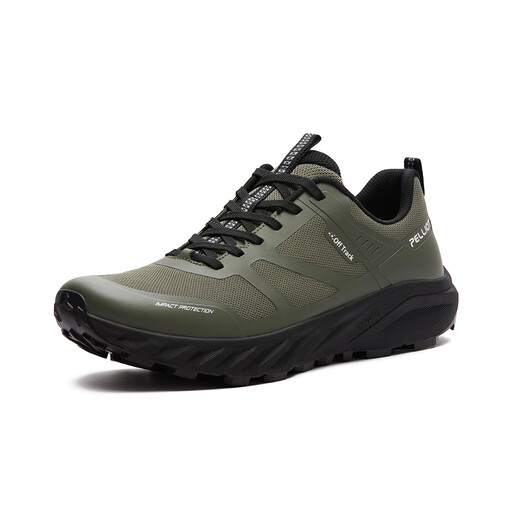
Why this product suits the profile: This model combines a lightweight mesh and fabric upper with an EVA midsole. It is suitable for users looking for a versatile shoe for roads and occasional outdoor trails.
The product description specifies the materials, sole construction and available fits. This makes it easier to match your choice to your foot shape and the surface you will use it on.
Sandwich mesh, flexible EVA foam sole and ROCKYTEC rubber outsole; according to the product information, designed for transitions from roads to trails.
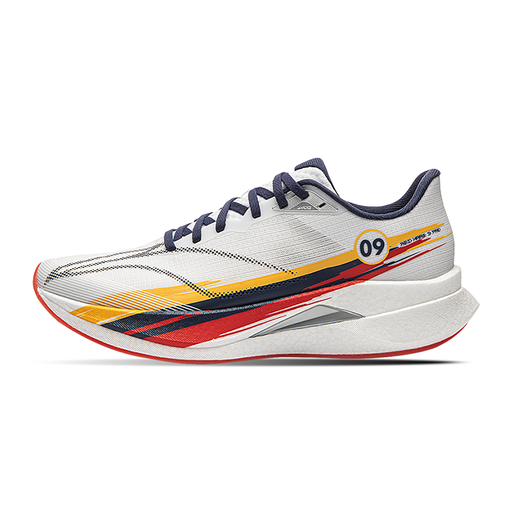
Why this product suits the profile: For regular running training, a roomier platform, a woven upper and a GCR outsole with a structured tread are all relevant design features.
The selection is not based solely on the word ‘lightweight’, but also considers platform width, torsional control, midsole and outsole.
Dual-layer BOOM midsole, widened base, BOOM-FIBER upper and GCR rubber with a structured tread.
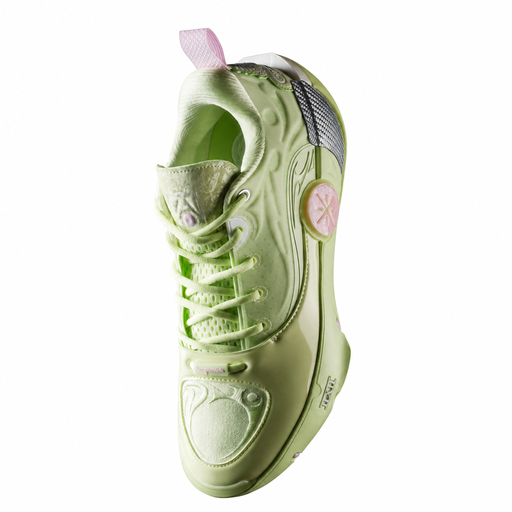
Why this product suits the profile: This model is designed for basketball movements and is aimed at users who value traction, heel hold and responsive cushioning on indoor or outdoor courts.
Rather than repurposing a running shoe, this model accounts for lateral movements and rapid changes of direction on the court.
SUPER-BOOM midsole, reinforced carbon-fibre plate at the heel, GCU outsole and TPEE toe protection; the last has a sporty, relatively narrow fit.
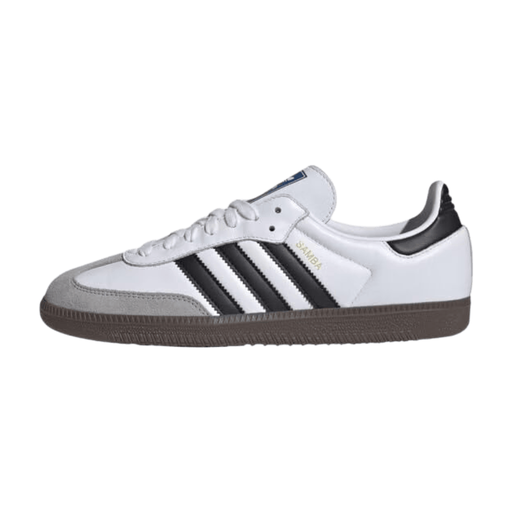
Why this product suits the profile: This low-profile trainer is suitable for everyday wear, walking around town and casual outfits. Due to its construction, it should not be classed as a specialist sports shoe for intensive running or basketball training.
This clear classification prevents a fashion trainer from being confused with a cushioned running shoe or basketball shoe.
Suede upper, rubber cupsole and low-profile silhouette; according to the size chart, available EU sizes range from 36 to 48.
We have put together a complete, regularly updated list of products that fully meet these strict selection criteria and the safety regulations applicable in the EU.
Remove dirt as soon as possible with a soft brush or damp cloth. Mesh sports shoes should be left to air-dry and kept away from radiators and direct sunlight. Washing machines can put strain on adhesives, foam materials and stiffeners. For leather, suede or synthetic surfaces, always follow the manufacturer’s care instructions.
Service life depends on how often you train, your body weight, the surface and how well the shoes are cared for. Check the tread, heel counter and midsole regularly. If you notice visible deformation or clearly uneven wear, it is worth reassessing whether the shoes are still suitable.
Models with a wider last or a clearly defined toe box provide more room in the forefoot. Measure both feet and check the size chart. Choosing a larger size is not always the right solution, as it can reduce heel hold.
This depends on the distance, surface, underfoot feel and personal fit. Cushioned models can be comfortable for longer runs, while a more direct, stable underfoot feel may be preferable for short training sessions or gym workouts.
Some men’s trainers are suitable for everyday wear and light activities. However, for regular running, basketball or trail running, choose a model whose sole tread, cushioning and support are specifically designed for the intended use.