
Lieferung heute & morgen

Qualitätsgarantie

Willkommens-Angebote freischalten: KOSTENLOSE Lieferung | Bis zu 80 % RABATT | Kostenlose 30-Tage-JoyPlus-Testphase
App herunterladen
Choosing the right sports socks for men often seems like a trivial decision, but the reality is quite different. Many users invest in high-quality shoes but neglect their socks—and then suffer from blisters, pressure points, or excessive sweating. The cause often lies in clever marketing promises and hidden product defects that only become apparent during wear. Before you spend your money on socks that lose their function after just a few weeks, you should know the three most common traps.
To avoid a bad purchase, you should focus on objective and functional features. These three parameters are crucial for comfort and performance.
The material is the foundation of any good sports sock. Instead of just looking at the cotton content, you should evaluate the composition in the context of your activity.
The construction determines a friction-free fit. Pay attention to two specific details:
The right sock height depends on the shoe and the activity.
Based on these objective criteria, we have identified some products that are suitable for specific user profiles and their requirements.
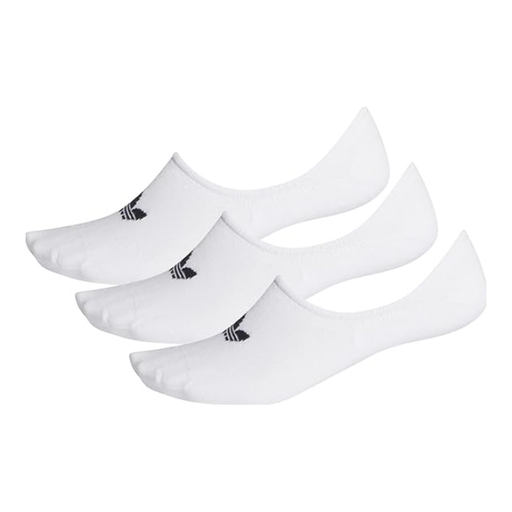
Why this product is a good fit: These socks are designed for daily use in sneakers. The user is looking for comfort for the commute or leisure activities, without the demands of high-performance sports. The practical multipack also offers great value for money.
The 100% cotton material is not a disadvantage here but a deliberate choice for breathability and comfort during low-impact activities. This sidesteps the material trap by using the product for its intended purpose.
Soft feel due to pure cotton, ideal for everyday wear. The low-cut design fits discreetly into most sneakers.
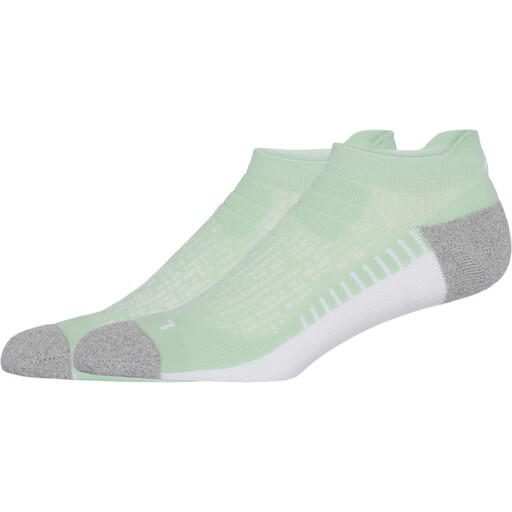
Why this product is a good fit: These Asics socks are specifically designed for runners who value performance. The focus is on functional features that make a difference during intense training sessions, such as moisture management and friction minimisation.
The sock avoids the material and construction traps with its seamless design and a fabric that actively wicks away sweat. The lightweight, targeted padding protects without adding bulk.
Advanced moisture management to reduce the risk of blisters. The seamless construction ensures friction-free comfort, even on long runs.
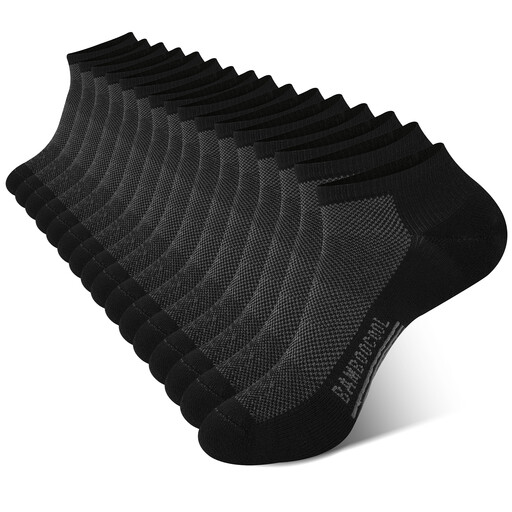
Why this product is a good fit: For men who engage in various activities—from the gym to gardening to light hikes. These socks offer a combination of durability, comfort, and functional features like arch support.
These socks bypass the padding trap by providing targeted cushioning on the sole and integrated arch support, rather than just relying on thickness. The moisture-wicking material also prevents a damp feeling.
Reinforced heel and toe areas for enhanced durability. The arch support can help reduce foot fatigue during prolonged activity.
We have compiled a complete, up-to-date list of products that fully meet these strict selection criteria and rigorous safety standards.
1. What is the best material for men's sports socks? It depends on the activity. For high-intensity sports like running, synthetic blends of polyester or polyamide are ideal as they wick moisture away. For everyday or light activities, cotton offers high comfort. A good sports sock often combines the best of both worlds.
2. How often should you replace running socks? There's no fixed rule, but look for visible signs of wear. As soon as the socks lose their elasticity, the padding on the heel or ball of the foot becomes noticeably thinner, or holes appear, it's time for a replacement. For regular runners, this can be every 6 to 12 months.
3. What does "seamless" really mean for socks? The term "seamless" usually refers to the toe area. Instead of a thick, overlapping seam, a very flat joining technique (e.g., linking) is used. This prevents a noticeable ridge that could press on the toes and cause friction, which is crucial, especially during long periods of activity.