
Lieferung heute & morgen

Qualitätsgarantie

Willkommens-Angebote freischalten: KOSTENLOSE Lieferung | Bis zu 80 % RABATT | Kostenlose 30-Tage-JoyPlus-Testphase
App herunterladen
As your Joybuy Product Recommendation Officer, I filter out the noise to bring you the essential information for making a smart purchase. When it comes to choosing men's sports socks, there's more to consider than you might think. The wrong choice not only leads to discomfort but can also hinder your performance and even shorten the lifespan of your shoes.
Many shoppers fall into the same traps, often set by clever marketing or vague product descriptions. So, before you invest in a new pair or a sock multipack, let's break down the three most common and costly mistakes.
To avoid these pitfalls, you should check two core parameters before buying. These will determine the comfort, durability, and functionality of your new men's socks.
The label reveals more than just care symbols. The percentage breakdown of fibres is the key to a sock's performance.
A good sock is more than just a tube of fabric. Specific design features make all the difference.
Based on these objective criteria, we have identified several models that are suitable for specific user profiles.
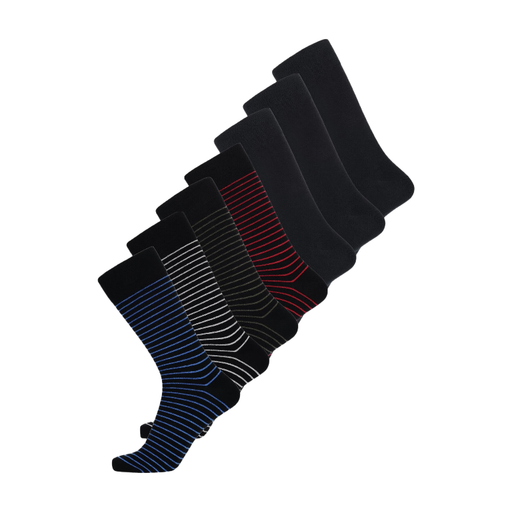
Why this model fits: Ideal for men who value high comfort for daily and office wear. The 7-pair multipack offers excellent value for money for your daily rotation.
The material blend of 75% viscose (from bamboo) with a polyamide/elastane component bypasses the pure cotton trap. It offers softness and better moisture management for all-day wear.
The fine-ribbed quality and high percentage of bamboo viscose provide a noticeably soft feel and a great fit that holds its shape even after multiple washes.
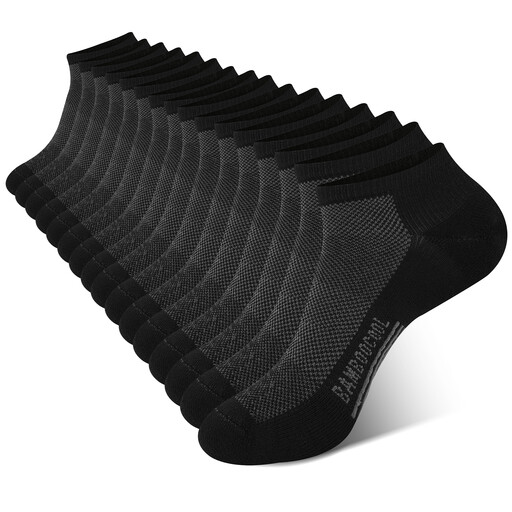
Why this model fits: Designed for runners, hikers, and gym-goers who need targeted support and cushioning. The ankle sock length is ideal for athletic shoes.
This model solves the cushioning misconception with a targeted, fully cushioned sole and reinforced zones at the heel and toe, rather than making the entire sock uniformly thick.
The integrated arch support helps keep the sock in place and reduces foot fatigue during high-impact activities. The moisture-wicking fabric ensures dry feet.
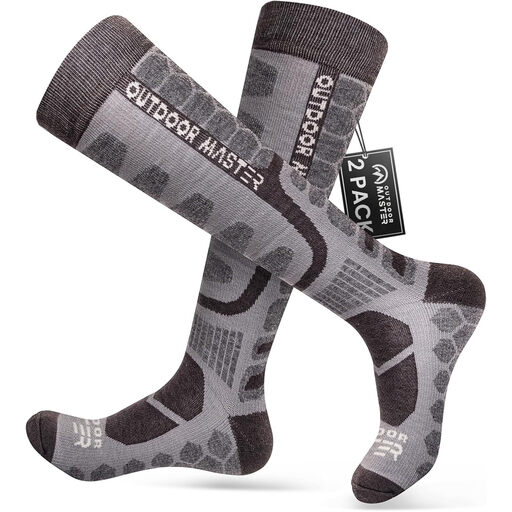
Why this model fits: Developed for winter sports enthusiasts and anyone active in cold temperatures. The combination of merino wool and compression offers warmth and functional support.
This model avoids the "one-size-fits-all-activities" trap by being clearly designed for a specific use case—winter sports—and combining the right materials and technologies for it.
The 30% merino wool blend provides lightweight warmth and natural odour resistance, while the targeted compression zones can promote circulation and support muscles.
The right sock is a crucial foundation for comfort and performance. Discover more models tailored to specific needs.
Look for visible signs of wear and tear, such as thinning fabric (especially at the heel or ball of the foot), loss of elasticity, or holes. With regular use (3-4 times a week), replacing them every 6 to 12 months is a reasonable guideline to ensure full function and cushioning.
For people prone to sweaty feet, material blends with a high percentage of synthetic fibres like polyester or polyamide are a great choice. These fibres actively wick moisture away from the skin. Merino wool is also an excellent option, as it can absorb a lot of moisture without feeling wet and is also naturally odour-resistant. Breathable socks made from bamboo viscose can be a comfortable alternative for everyday wear.
Yes, many established brands offer sock multipacks that provide good value for money without compromising on quality. It's an economical way to ensure you always have a fresh, functional pair of socks on hand for your workout or daily life. Just as with single pairs, be sure to check the material composition and the features described.