
Lieferung heute & morgen

Qualitätsgarantie

Willkommens-Angebote freischalten: KOSTENLOSE Lieferung | Bis zu 80 % RABATT | Kostenlose 30-Tage-JoyPlus-Testphase
App herunterladen
When buying men's sports socks, people often look first at the colour, pack size or low price. But the differences that matter most become clear when you wear them: does the cuff slip down when you run? Do your feet quickly get damp inside your shoes? Do seams or an unsuitable fabric blend cause pressure points?
Choosing carefully can help you avoid buying the wrong pair. The main things to consider are fit, material, sock length and features. Depending on how you plan to use them, men's running socks, training socks or simple men's cotton socks could all be a good choice.
Terms such as “breathable” or “moisture-wicking” don’t tell you much on their own. Check the fibre composition and how the socks are made. A high cotton content can feel soft, but it doesn’t necessarily dry quickly during intense exercise. Synthetic fibres such as polyester, polyamide or nylon are often used to help move moisture away from the feet and maintain the socks’ shape.
Men's bamboo socks shouldn’t be judged by the word “bamboo” alone, either. Check the actual proportion of bamboo viscose and how it is blended with elastane or polyamide.
Short men's socks and men's trainer socks work well with casual shoes and low-cut sports shoes. For walks or longer training sessions, though, a higher cuff may work better with your shoes and clothing. Quarter socks reach the ankle, while crew socks cover part of the lower leg.
Socks that are too short can slip inside your shoes. Socks that are too long or thick can create pressure instead. Choose a length to suit your shoes, rather than going by looks alone.
Padded socks can add comfort around the heel and sole of the foot. However, they also need a little more room inside your shoes. If your shoes are already a snug fit, thick padding can increase pressure. It’s worth comparing thinner socks with fully cushioned styles for running and walking shoes.
For everyday wear, the office or light exercise, men's cotton socks with some elastane are often comfortable. For running, fitness and longer activities, blends containing polyester, polyamide or nylon can be a more practical choice if you want moisture to wick away quickly.
Check:
“Breathable” usually describes the fabric structure, but it isn’t a standardised measure of performance. Compare the product specifications directly instead.
A good sports sock should fit closely without digging in. An elasticated cuff can help keep it in place. Elastane adds stretch, but it doesn’t make up for choosing the wrong size.
Socks with arch support often have an elasticated section around the midfoot. This can help reduce slippage, but it isn’t medical support and shouldn’t be considered a therapeutic feature.
A flat or low-seam toe section can also be useful, particularly if you’re sensitive to rubbing. Check the size guide for each brand, too, as sizing can vary.
A 3-pack of men's socks makes it easy to rotate between washing and wearing. If you train every day or commute frequently, larger packs of six or eight pairs can make things more convenient.
Don’t compare the price per pair alone. Take the material, reinforcements, care requirements and intended use into account. Multipacks are especially good value if the style and size work with several pairs of shoes.
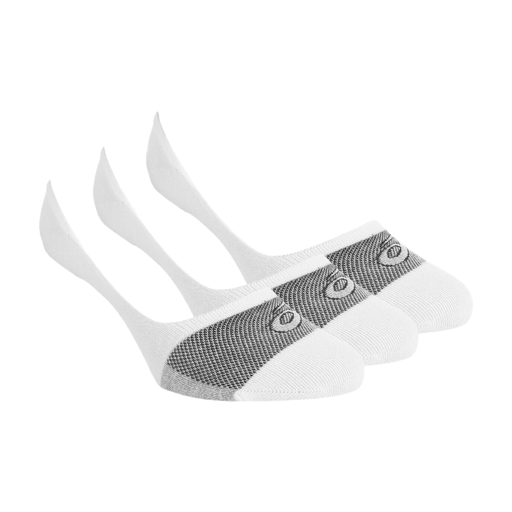
Why it suits this shopper: This 3-pack is designed for everyday wear, fitness and low-cut shoes. According to the product details, sizes range from EU 35–38 to EU 50–53.
The product description specifies 76% cotton and 24% synthetic fibres, as well as a low-seam toe section. This makes the materials and construction clearer than a general claim about comfort.
Short, shoe-friendly cut; 3 pairs per pack; machine washable according to the care instructions.
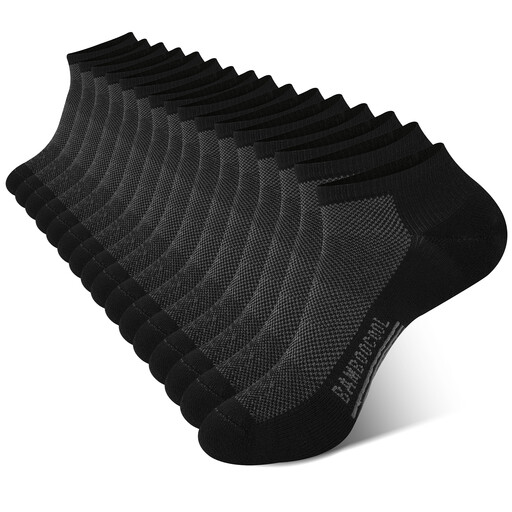
Why it suits this shopper: This style combines a cushioned sole, arch support and mesh fabric, with reinforced heels and toes.
The product details specify practical features rather than relying on vague claims: reinforced zones, a cushioned sole and moisture-wicking fabric.
Pack of 8 pairs; low-cut design; described by the supplier as suitable for running, walking, training and everyday wear.
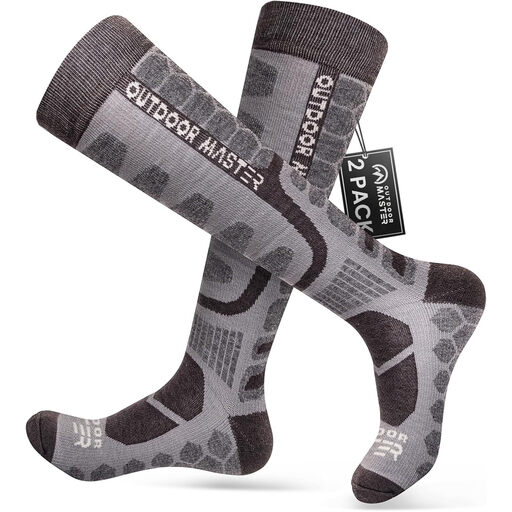
Why it suits this shopper: These over-the-calf socks are designed for winter sports and cold-weather outdoor activities. According to the product details, they contain a blend with 30% merino wool.
The material details and stated cuff length make it clear that these aren’t intended to be lightweight trainer socks.
2 pairs per pack; calf-high cut; reinforced cushioning zones and specified compression areas.
We’ve put together a complete, regularly updated list of products that meet these strict selection criteria and fully comply with the safety regulations in force in the EU.
How long your socks last depends on the material, construction, how often you wash them and how well your shoes fit. Wash sports socks according to the label. It’s often a good idea to:
Heavy wear around the heel or toes can also be caused by shoes that are too big. Socks alone can’t make up for a poor shoe fit.
For running, a secure fit, the right thickness for your shoes and a flat toe section are all important. Men's running socks may also have mesh panels, cushioning or moisture-wicking features. Choose a thickness that won’t make your shoes feel too tight.
Cotton can feel soft and comfortable, making it a good choice for everyday wear and light activities. For longer or more intense training sessions, check whether the fabric blend moves moisture away from your feet effectively. Synthetic fibres or blended fabrics may be more practical for this.
A 3-pack may be enough if you only train occasionally. If you exercise, work or go walking several times a week, having six to eight pairs can make things easier to manage. Above all, make sure each pair is the right size, cut and material for the activity.