
Lieferung heute & morgen

Qualitätsgarantie

Willkommens-Angebote freischalten: KOSTENLOSE Lieferung | Bis zu 80 % RABATT | Kostenlose 30-Tage-JoyPlus-Testphase
App herunterladen
Men’s sports socks need to meet different requirements depending on the sport. For running, a dry foot and seamless construction are key; for basketball, a secure fit and sufficient length matter. For hikes or long workdays, warmth, cushioning and material durability can be more important.
However, the product description alone isn’t always enough to make the right purchase decision. What really counts are specific details about material, size, sock length, cushioning zones and care.
Breathable sports socks allow air to circulate. That doesn’t automatically mean they transport sweat away from the foot effectively. Look out for terms like moisture management, moisture-wicking fibre or mesh panels. A blend of polyester, polyamide or elastane can dry quickly, while cotton feels comfortable but can absorb more moisture.
Cushioned socks can offer extra comfort at the heel, ball or sole. However, in a running shoe that’s already snug, thick cushioning can create pressure points. So check whether the cushioning is placed strategically and whether the sock thickness suits your shoe.
A treatment against certain micro-organisms is not the same as a medical or therapeutic effect. For the Li-Ning models, the manufacturer cites test values of at least 99.4% against Staphylococcus aureus, 95.2% against Escherichia coli and 92.5% against Candida albicans. These figures should be understood as manufacturer specifications for textile finishing and do not replace personal hygiene or regular washing.
For training, running and fitness, lightweight blended fabrics with breathable zones are ideal. A combination of polyester, polyamide and elastane can support shape retention, elasticity and quick drying times. Cotton-blend performance socks feel soft and are often suitable for everyday wear, work and moderate training.
For cold outdoor activities, a merino wool content is worth considering. The OutdoorMaster ski socks are described as a blend containing 30% merino wool. Merino wool can help regulate warmth and has natural odour-resistant properties; the actual effect depends on care, how long they’re worn and your personal perspiration levels.
The sock should sit smoothly without wrinkles, and without cutting uncomfortably into the ankle. An arch support, an elastic midfoot section or a shaped heel area can improve the fit. For socks that slip down, a well-fitting cuff and the correct size help – not necessarily an overly tight finish.
Use your EU shoe size or the stated foot length as a guide. For the Li-Ning basketball socks, the sizes range from 35–36 to 43–44, or from 220 mm to 310 mm foot length. If you’re between sizes, a larger size can be a good choice if you prefer a looser fit. Socks that are too big, on the other hand, will wrinkle and can cause friction.
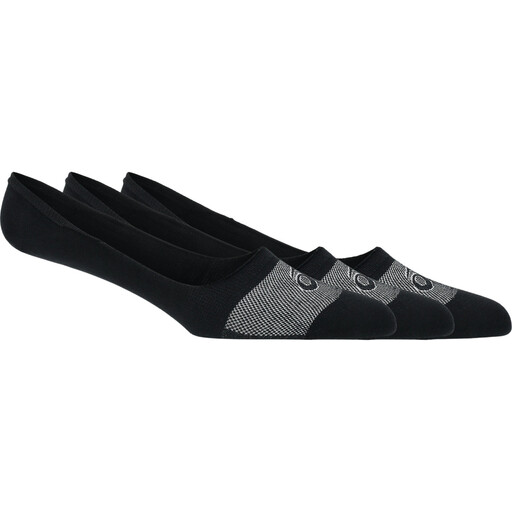
Why this product suits the profile: The 3-pack offers three short trainer socks for training, everyday wear and swapping between shoes. The stated blend of 75% cotton, 22% polyamide and 3% elastane combines a soft feel with elasticity.
The short length reduces excess material inside the shoe. A seamless toe cap is mentioned in the product description and can help reduce friction in that area.
3-pack, short shaft, stated moisture-wicking and sizes from EU 35–38 to 50–53.
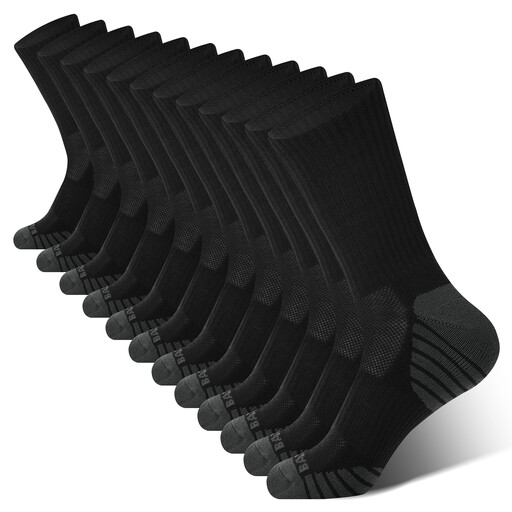
Why this product suits the profile: The crew socks are designed for running, hiking, workouts, long periods of standing and office wear. Mesh material, arch support and a cushioned sole cover multiple use cases.
Reinforced heel and toe address typical wear points. Still, you should check the specific size information against your own shoe size before buying.
6-pack, reinforced areas, cushioned sole and stated arch support.
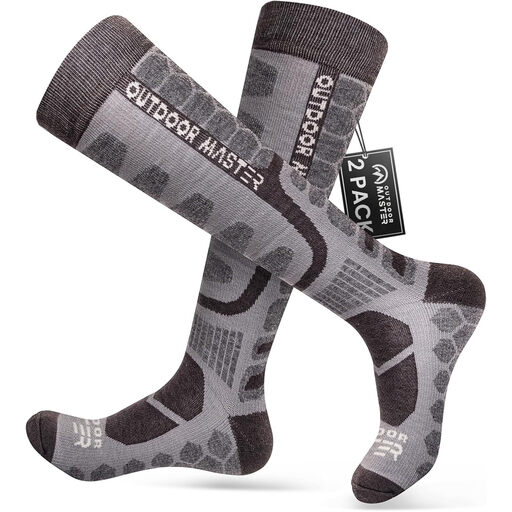
Why this product suits the profile: The knee-high design with compression zones and merino wool content is aimed at winter sports, skiing and cold outdoor days.
The stated over-the-ankle length and anti-slip cuff reduce the risk of the sock slipping inside a high-top boot. The material thickness should match the volume of your boot.
2 pairs, 30% merino wool blend, compression zones and reinforced cushioning in high-stress areas.
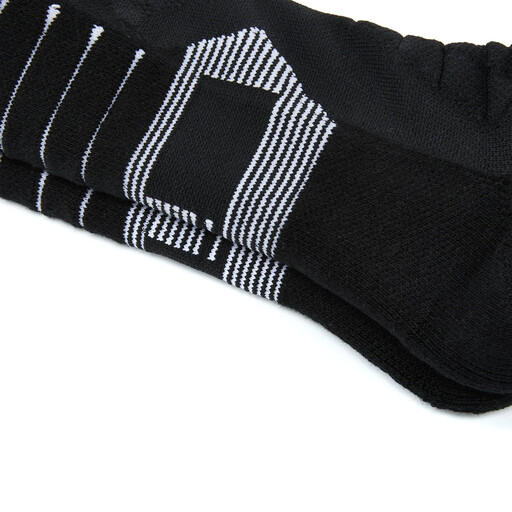
Why this product suits the profile: The mid-length design, elastic cuff and soft blended fabric are tailored to basketball and active everyday use.
The foot length is clearly stated. This makes it easier to check the fit than with a label like “One Size”. The cuff is designed to sit securely without digging in too much.
Mid-calf length, elastic construction, jacquard pattern and manufacturer-declared antibacterial textile finish.
We’ve put together a full, regularly updated list of products that fully meet these strict selection criteria and the safety regulations in force in the EU.
Wash sports socks according to the instructions on the care label. Low temperatures, a gentle cycle and air drying are often a good idea. Avoid fabric softener on performance materials unless the manufacturer recommends it, as it can affect the fibre structure and moisture absorption.
Replace socks when the cuffs have permanently stretched, holes appear, the cushioning has significantly worn down, or the fit is no longer stable despite the correct size. How long they last depends on how often you wear them, the wash temperature, drying method and the inside of your shoe. Rotating several pairs can take the strain off each individual sock. A 3-pack is fine for occasional use, while a 6-pack can be practical for frequent training or varied workdays.
For running, lightweight socks with moisture management, a seamless toe area and a secure fit are a good choice. Light cushioning at the heel or ball can work well with your shoe. What matters most is that the sock doesn’t wrinkle and doesn’t slip inside the shoe.
That depends on the use. Cotton-blend models offer a soft feel and are suitable for everyday wear, work and moderate activity. Performance socks made from synthetic blends tend to dry faster and are practical for more intense training. For cold weather, a merino blend could be an option.
For occasional activity, three pairs are often enough. If you train several times a week, work long hours in closed shoes or hike regularly, six pairs give you more flexibility to rotate. Also decide based on the sport: short trainer socks for low-cut shoes, and mid-length or knee-high styles for basketball boots and hiking boots.