
Lieferung heute & morgen

Qualitätsgarantie

Willkommens-Angebote freischalten: KOSTENLOSE Lieferung | Bis zu 80 % RABATT | Kostenlose 30-Tage-JoyPlus-Testphase
App herunterladen
A good T-shirt is the foundation of every man's wardrobe. Yet, the search for the perfect one can quickly become overwhelming. Many buyers only realise after a few washes that their supposed bargain has lost its shape, the fabric is uncomfortable, or the cut doesn't live up to its promise. These experiences often lead to frustration and wasted money.
As a Joybuy Product Recommendation Officer, I analyse product information daily to provide you with objective, practical guidance. In this guide, I'll show you the three most common pitfalls when buying a men's T-shirt and what you need to look out for to make an informed decision.
When shopping online, it's difficult to judge the true quality of a T-shirt. Marketing promises often sound convincing, but the reality can be quite different. Watch out for these three typical problems:
To avoid these pitfalls, you should check three core parameters before buying. These will give you a reliable indication of a T-shirt's durability and comfort.
The fabric weight, given in grams per square metre (g/m?), is a crucial indicator of quality and intended use.
The fit determines how a T-shirt sits on the body and should match your personal style and body type.
A T-shirt's longevity is revealed in the details. Check the product description for features like double-stitched seams on the sleeves, hem, and collar. A taped neck seam stabilises the neckline and prevents it from warping—a common problem with cheaper models.
Based on these quality criteria, we have selected a few products for different user profiles.
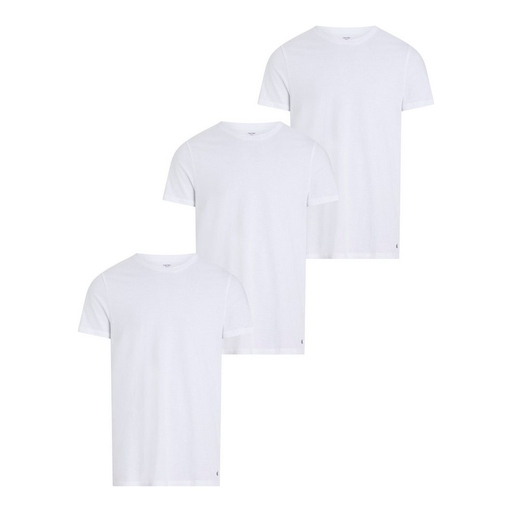
Why This Fits Their Persona: Ideal for men seeking a reliable wardrobe foundation with excellent value for money. This T-shirt multipack offers proven brand quality for daily use, whether as an undershirt or worn on its own.
The shirt is made from 100% cotton jersey, a material known for its softness and shape retention. This counteracts rapid shape loss (Pitfall 1) and the trap of misleading material specs (Pitfall 2).
Soft, breathable cotton jersey for superior comfort. Classic, reliable cut and the convenience of a 3-pack.
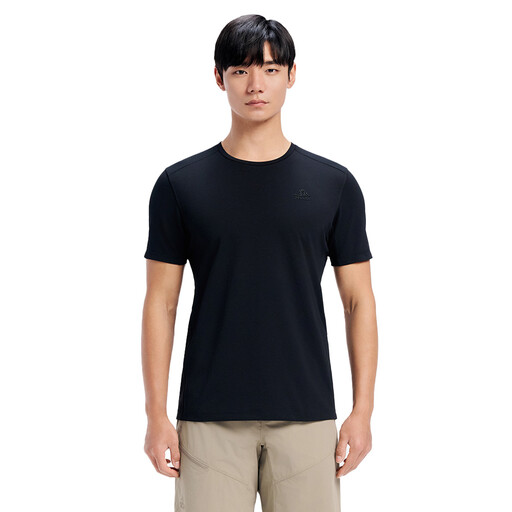
Why This Fits Their Persona: Designed for men who need a high-performance technical shirt for sports and intense activities. The focus is on moisture management and comfort during heavy perspiration.
The piqué fabric with integrated moisture-wicking is a specific technical solution that goes far beyond vague marketing promises (Pitfall 2). It prevents the clammy feeling on the skin that occurs with low-quality synthetic shirts.
Quick-drying, high-stretch piqué fabric. According to the manufacturer, the integrated POLYGIENE technology inhibits odour-causing bacteria.
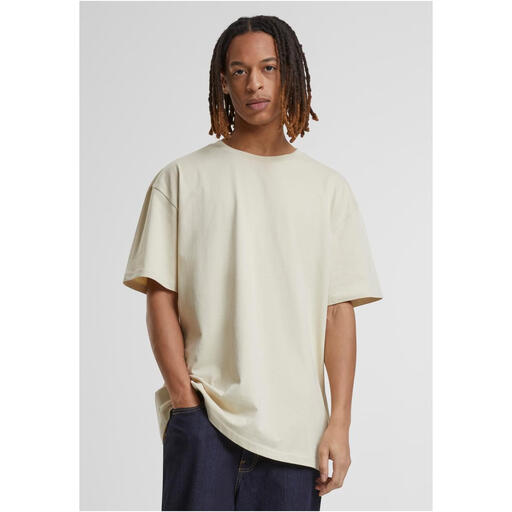
Why This Fits Their Persona: For fashion-forward men who prefer a modern streetwear look. The loose cut and heavy fabric create a striking silhouette that stands out from classic T-shirts.
With a fabric weight of 240 g/m?, this shirt is extremely shape-retentive and durable, which prevents rapid shape loss (Pitfall 1). The cut is intentionally defined as "Oversized," thus avoiding the trap of inconsistent sizing (Pitfall 3).
Very heavy and durable 100% cotton fabric. The structured drape of the material ensures a high-quality look.
We have compiled a complete, real-time list of products that fully satisfy these strict selection criteria and UK safety regulations.
Fabric weight, measured in grams per square metre (g/m?), describes the density of the material. A higher weight (e.g., 200 g/m?) generally means a thicker, more robust, and more opaque fabric that holds its shape better. A lighter weight (e.g., 150 g/m?) is more breathable and suitable for warm weather or as an undershirt.
Wash your T-shirts at low temperatures (30°C) and inside out to protect colours and any prints. Avoid the tumble dryer, as the high heat can damage cotton fibres and cause shrinkage. Hang the shirts to dry and gently pull them into shape while they are still damp.
Compare the size chart provided by the manufacturer with the measurements of a well-fitting T-shirt you already own. To do this, measure the chest width (from armpit to armpit) and the back length (from the base of the collar to the hem). These values are often more reliable than general size labels like S, M, or L.