
Lieferung heute & morgen

Qualitätsgarantie

Willkommens-Angebote freischalten: KOSTENLOSE Lieferung | Bis zu 80 % RABATT | Kostenlose 30-Tage-JoyPlus-Testphase
App herunterladen
A reliable technical jacket is indispensable for outdoor activities and daily life in the UK. The changeable weather demands apparel that protects against rain, wind, and cold without restricting movement or causing you to overheat. However, the sheer variety of models, technologies, and terms can be overwhelming.
This article serves as your guide. We'll explain the key features to look for when choosing a men's technical jacket and present a selection of models that stand out for their specific properties and are suited for various applications.
By Joybuy Product Recommendation Officer
To find the right jacket for your needs, it helps to understand a few technical fundamentals. The following points will help you objectively compare product features.
Two of the core performance indicators for a technical jacket are its waterproof rating and breathability.
Technical jackets can be broadly divided into three categories, each optimised for different conditions.
Look for features that increase practical usability in everyday life and on tours. These include:
Based on the criteria above, we have compiled a selection of technical jackets that are distinguished by their specific features and intended uses.
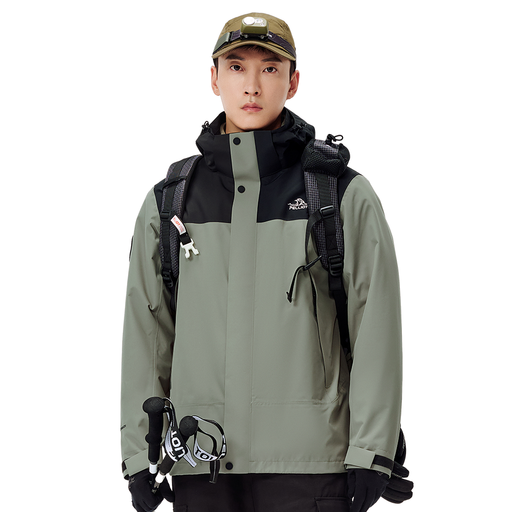
What makes it stand out This 3-in-1 jacket is designed as a versatile all-weather jacket for men. The system consists of a weatherproof outer shell and a warm fleece inner jacket. According to the manufacturer, it uses STORMS BREATH technology, a microporous, waterproof, and breathable membrane that, along with taped seams, offers protection from storms and rain. The scratch-resistant outer shell and anti-static thermal lining make the jacket a durable companion for different seasons.
Key Features
Who is it for? For users seeking a single, adaptable jacket for a wide range of activities—from camping and mountain hiking to the daily commute. The three wearing options cover temperature ranges from -15 °C to 25 °C.
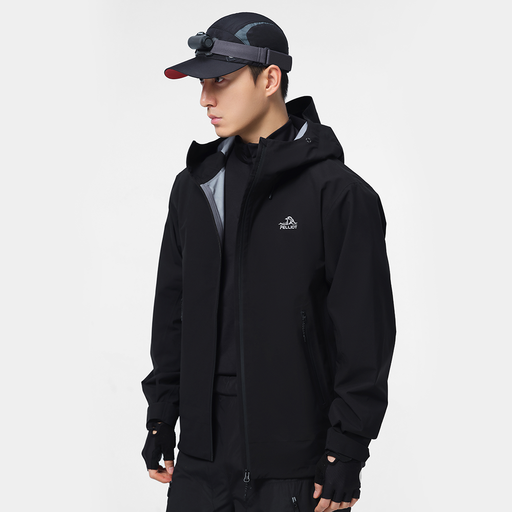
What makes it stand out This hardshell jacket for men (and women) focuses on uncompromising weather protection and high functionality. It is described as stormproof, waterproof, and windproof, and is designed for demanding mountain trekking. A key feature is its high moisture permeability, which quickly wicks sweat to the outside during intense activity. The abrasion-resistant fabric promises durability in rough terrain. The design combines technical functionality with a modern, urban style.
Key Features
Who is it for? For active individuals who need a lightweight yet extremely robust trekking jacket for challenging tours in unpredictable weather. It's also a great choice for commuters who value reliable protection and a contemporary look, whatever the weather.
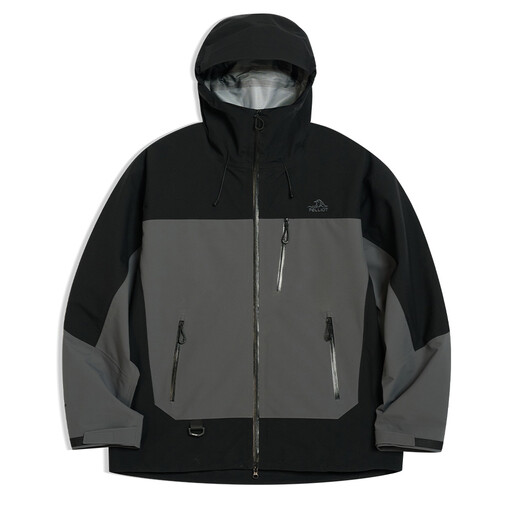
What makes it stand out This hardshell jacket also combines high-level weather protection with a stylish accent. It is designed for heavy, persistent rain and, according to the manufacturer, offers significantly improved moisture-wicking to ensure a dry feel from the inside. The windproof and abrasion-resistant material makes it versatile—from the city to the mountain trail. The eye-catching color-block design sets it apart from classic single-colour outdoor jackets.
Key Features
Who is it for? For anyone looking for a highly functional outdoor jacket that is windproof and breathable but doesn't want to compromise on style. It's perfect for users who want to seamlessly transition their jacket from the hiking trail to their urban routine.
If you're looking for other types of outerwear or wish to explore our range further, you can find more categories here. For example, discover our selection of Black Coat for Women.
1. What is the difference between a hardshell and a softshell jacket? A hardshell jacket is a waterproof, windproof, and breathable outer layer that offers maximum protection from the elements. A softshell jacket is more flexible and breathable but typically only water-resistant. It is better suited for dry conditions and high-output activities.
2. How do I properly care for a waterproof technical jacket? Always follow the manufacturer's care instructions. Generally, wash the jacket at a low temperature on a gentle cycle using a special detergent for technical apparel. Close all zips. Do not use fabric softener, as it can clog the pores of the membrane. Let the jacket air dry. Occasionally reactivating the DWR (Durable Water Repellent) finish in a tumble dryer on low heat or by ironing (with a cloth in between) can restore the fabric's water-repellent function.
3. How important is breathability in an outdoor jacket? Very important. Without sufficient breathability, sweat builds up inside the jacket. Your clothes become damp, and your body cools down quickly during breaks. A breathable jacket allows water vapour to escape, which significantly improves comfort and performance during physical exertion.