
Lieferung heute & morgen

Qualitätsgarantie

Willkommens-Angebote freischalten: KOSTENLOSE Lieferung | Bis zu 80 % RABATT | Kostenlose 30-Tage-JoyPlus-Testphase
App herunterladen
Choosing the right technical jacket is crucial for comfort and protection during outdoor activities. Faced with unpredictable weather, from sudden downpours to strong winds, a reliable jacket is essential. This article serves as a practical guide to help you understand the technical features and make an informed decision. We will present a selection of models tailored to specific needs.
The range of outdoor jackets is vast. To find the right model, three key criteria should be considered: weather protection, versatility, and material quality.
Two of the most important technical specifications of a performance jacket are its water column and breathability ratings.
A single jacket can rarely cover all climate conditions. The layering system—wearing multiple layers of clothing—is the proven method here. A men's 3-in-1 jacket is the practical implementation of this principle. It consists of a waterproof and windproof outer jacket (shell) and a removable, insulating inner jacket (often made of fleece).
This flexibility makes such an all-weather jacket a year-round companion for various outdoor activities.
The durability of a men's outdoor jacket depends heavily on the materials used and the quality of its construction. Look for abrasion-resistant outer fabrics that can withstand contact with rocks or backpack straps. Sealed or taped seams are a must to prevent water from penetrating at these critical points.
Functional details like an adjustable hood, customisable cuffs, and a drawcord hem allow you to tailor the jacket precisely to your body and block cold wind from getting in. This is particularly important for a trekking jacket or a men's hiking jacket.
Based on the criteria mentioned, we have compiled a selection of jackets that meet different requirements.
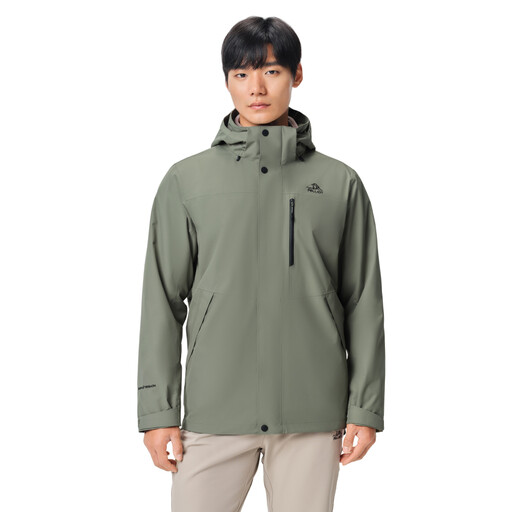
Why it stands out This model is designed as a technical men's 3-in-1 jacket for users who place high demands on weather protection. According to the manufacturer, the outer jacket offers an exceptionally high water column rating of 35,900 mm (measured according to the JIS standard) and a breathability rating of 16,000 g/m?/24h. The outer material has also been tested for abrasion resistance of over 40,000 cycles, qualifying it for demanding terrain.
Pros
Who it's for For outdoor enthusiasts, hikers, and trekking fans looking for a highly functional and robust all-weather jacket for challenging tours in changeable weather.
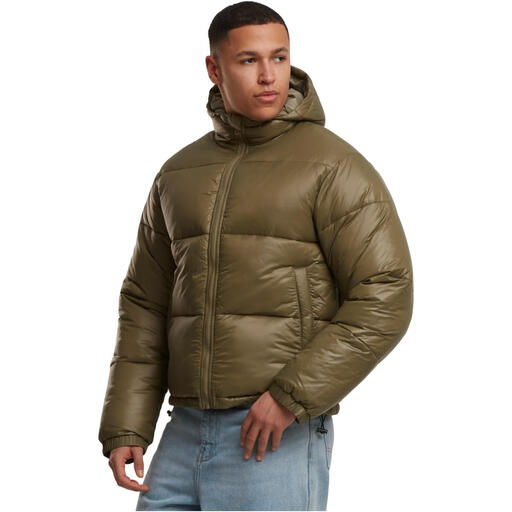
Why it stands out This jacket clearly focuses on thermal insulation and urban style. It is not a classic men's technical jacket for mountain sports, but rather a heavily insulated puffer jacket for cold winter days. The thick quilting, filled with recycled polyamide, ensures high thermal performance. The high collar and lined hood offer additional protection against cold wind.
Pros
Who it's for For men seeking a very warm and stylish winter jacket for daily use, city walks, and cold but primarily dry conditions.
A men's technical jacket is designed for outdoor activities and protection from the elements. However, if you need a jacket for a more formal occasion in winter, such as an elegant winter wedding jacket, you will find other specialised models in our collection.
A water column rating of 10,000 mm means the material can withstand the pressure of a 10-meter column of water before it penetrates. According to European standards, a fabric is considered waterproof from 1,300 mm. A value of 10,000 mm thus offers very reliable protection, suitable even for heavy and prolonged rain.
To maintain its functionality, you should follow the manufacturer's care instructions. As a general rule: close all zips before washing. Use a special detergent for technical apparel and select a gentle wash cycle. Fabric softener should be avoided as it can clog the pores of the membrane. The water-repellent treatment should be reapplied as soon as water no longer beads off the outer fabric.
Yes, versatility is the biggest advantage of a 3-in-1 jacket. In spring and autumn, the outer jacket serves as a light rain and wind jacket. The inner jacket can be worn solo on cool, dry days. In winter, both layers are combined to ensure maximum protection against cold, wind, and moisture. This allows it to cover a wide spectrum of weather conditions and seasons.