
Lieferung heute & morgen

Qualitätsgarantie

Willkommens-Angebote freischalten: KOSTENLOSE Lieferung | Bis zu 80 % RABATT | Kostenlose 30-Tage-JoyPlus-Testphase
App herunterladen
Choosing the right pair of men’s trainers might seem straightforward at first: pick your size, choose a colour and place your order. In practice, however, unclear fits, unsuitable soles and exaggerated performance claims often lead to disappointing purchases. Whether you’re looking for men’s running shoes, training shoes or a versatile unisex model, it’s worth checking your intended use and the key shoe features first.
Words like “Performance”, “Bounce” or “Cushioning” don’t automatically tell you how a shoe will feel with your own running style. What really matters are the actual materials listed, the construction of the midsole and the tread pattern of the outsole. A soft cushioning can feel comfortable during a slow run, while a firmer build offers more of a sense of stability during training.
An EU size isn’t always fully comparable between different brands and models. The shape of the last, the upper and the toe area all affect the fit. Particularly with shoes that have a wide toe box, you should check not just the length but also the available width. Your foot length in centimetres or millimetres gives you a better guide than simply relying on “size 44”.
Road running shoes are designed for asphalt and paved paths. On wet forest trails, gravel or muddy sections, a more aggressive tread pattern can be more suitable. If you’re choosing a shoe as men’s trail running shoes, you should pay attention to the rubber compound, tread layout and abrasion resistance. For occasional walks, a less heavily treaded model is often sufficient.
When trying on or ordering, you should leave roughly a few millimetres of space at the front so your toes don’t hit the end when you roll through your stride. The heel should sit securely without creating pressure points. For wider feet, models with a roomier forefoot or half a size up can be a good idea. However, this isn’t a universal rule: size charts and return policies remain key.
With the Nike Dunk Low Retro size 44, the product table shows a foot length of 27.3 cm for EU 44. You should compare this measurement with your own foot measurement, rather than just relying on the size from previous purchases.
Cushioned sports shoes usually contain a foam component in the midsole. EVA foam is common in many running and everyday shoes. Higher cushioning doesn’t automatically mean more comfort for everyone. Your body weight, running speed, the surface and your personal preferences are also relevant.
For users who prefer a more controlled feel when their foot lands, stable running shoes with a reinforced heel area or a wider base can be of interest. Descriptions like “support” or “stability” should be backed up by specific construction features, such as a wider heel construction or a locking heel counter.
Breathable sports shoes are often made from mesh or woven textiles. These materials can help with air exchange, but they aren’t automatically waterproof. For dry training days and summer runs, a breathable upper is practical. In rain or on wet paths, you should also consider care and drying.
The outsole should match your intended use. Rubberised areas generally increase abrasion resistance. A zoned tread pattern can be useful on different surfaces. However, actual grip depends on wetness, dirt, temperature and wear. “Slip-resistant running shoes” shouldn’t be taken as a guarantee for every surface.
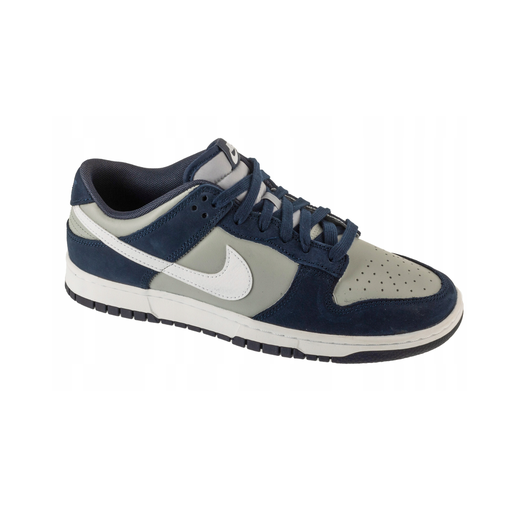
Why it fits: For everyday wear, leisure and occasional sporting activities when you’re looking for a versatile shoe with a classic silhouette.
The stated foot length of 27.3 cm for EU 44 makes it easier to compare with your own measurement. The shoe shouldn’t be chosen as a running shoe just because of its design.
Upper made from synthetic leather and textile, rubber sole and padded insole. Designed for both sporting and casual use.
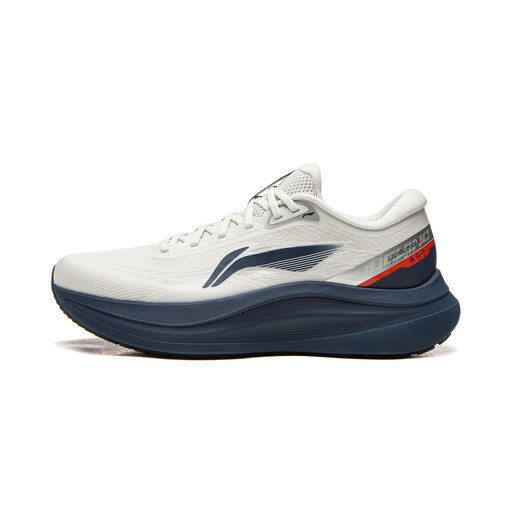
Why it fits: For runners and training users who prefer a roomier fit and a structured build.
The description mentions an optimised last shape and an extended heel area. For wider feet or thicker socks, going half a size up is recommended.
Full-length Tempo Bounce midsole, PROBAR-LOC support, rubber outsole with zoned tread and textile-polyurethane upper.

Why it fits: For routes that switch between the city, paved park paths and easy outdoor trails.
The mesh upper is designed for air exchange but isn’t described as having a waterproof membrane. This point should be considered in wet weather.
Sandwich mesh and fabric, EVA midsole and ROCKYTEC rubber outsole with tread for various surfaces.
Why it fits: For users looking for a lightweight unisex model for longer runs, walks and changing surfaces.
The table states a foot length of 270 mm for EU 44. The model is designed for standard or wider feet; a slim variant is mentioned for narrow feet.
Lightweight mesh fabric, highly elastic EVA midsole and abrasion-resistant ROCKYTEC rubber sole. Care by hand wash and air drying.
In the full selection you’ll find models for everyday wear, training, running and outdoor activities. Check the size, material, sole tread and intended use for each one.
Durability depends on mileage, surface, body weight, care and rotating between several pairs. With running shoes, you shouldn’t just look at the appearance. Visibly compressed foam, heavily worn tread or a deformed heel construction can be signs that it’s time for a replacement.
Care includes removing dirt with a soft brush, cleaning with a damp cloth and drying at room temperature. Direct heat from radiators, harsh cleaning products and machine washing can damage materials and adhesive bonds.
For regular running on asphalt or paved paths, running shoes with appropriate cushioning, a secure heel fit and enough toe room are the obvious choice. Trail models make sense if you often use gravel, forest paths or uneven sections.
Measure both feet, ideally in the evening, and wear the sports socks you intend to use. Compare the longer foot with the manufacturer’s size chart in centimetres or millimetres. EU sizes can vary between brands.
A fixed time period doesn’t apply to every model. Regularly check the tread, midsole, seams and heel hold. If there’s noticeable wear or a change in how the shoe feels, it should be reassessed regardless of the purchase date.