
Lieferung heute & morgen

Qualitätsgarantie

Willkommens-Angebote freischalten: KOSTENLOSE Lieferung | Bis zu 80 % RABATT | Kostenlose 30-Tage-JoyPlus-Testphase
App herunterladen
By Joybuy Product Recommendation Officer, July 28, 2026
Choosing the right warm winter clothing for men can be a challenge. The market is flooded with technical jargon and marketing promises that often confuse more than they clarify. The result is frequently expensive purchasing mistakes: a jacket that makes you sweat and then leaves you cold, or a hat that loses its shape after a short time. This guide focuses on the objective criteria that truly matter, ensuring your next investment in winter wear will reliably see you through the cold season.
Before we turn to the solutions, it's important to recognise two common problems that lead to unsuitable clothing:
To avoid these pitfalls, you should base your selection on three fundamental parameters. These will help you objectively evaluate a garment's performance.
Effective protection from the cold is not based on a single thick garment, but on the intelligent interaction of multiple layers. Each layer serves a specific function.
The choice of material is crucial for comfort and function. For men's thermal clothing and accessories, two material groups dominate.
Often, it's the small details that make a difference in everyday use:
Based on the criteria above, we have identified some products that are well-suited for specific user profiles and their requirements.

Why it's a great fit: This men's winter hat combines the temperature-regulating properties of merino wool on the outside with the added thermal insulation of a soft polyester fleece lining on the inside. Ideal for those who get cold easily and need maximum heat retention on walks or commutes.
Bypasses the "itchy wool" myth by using soft merino wool and a skin-friendly fleece lining that prevents direct contact with the wool.
Dual-layer construction for a perfect balance of thermal insulation (fleece) and moisture management (merino wool).
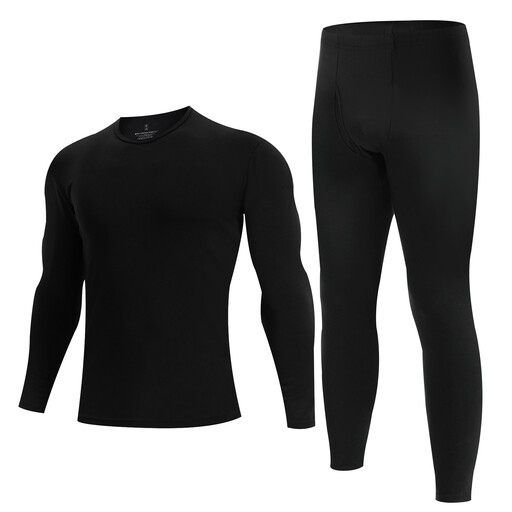
Why it's a great fit: This top and bottom set forms a complete base layer for active pursuits like skiing, snowboarding, or winter hiking. It is designed to ensure freedom of movement and keep the body dry.
Directly addresses the breathability fallacy. The moisture-wicking material prevents sweat from remaining on the skin and cooling the body.
Seamless design for high comfort without chafe points under other layers of clothing; breathable fabric to regulate body temperature.

Why it's a great fit: A classic zip-up hoodie that serves as a versatile insulation layer for everyday life. Perfect for the commute, leisure activities, or as a comfortable layer at home. The zip allows for easy adjustment to different temperatures.
Avoids exaggerated technical claims. It's an honest, functional garment for daily use, with a cotton-polyester blend designed for comfort and durability.
The material blend of 65% cotton and 35% polyester offers a great balance of softness, warmth, and easy care for everyday use.
We've compiled a complete, up-to-date list of products that fully meet these strict selection criteria and current regulations.
1. How do I wash thermal underwear correctly to maintain its function? Always follow the manufacturer's care label. As a general rule, wash functional clothing at low temperatures (30-40°C) with a special detergent for technical textiles or a mild liquid detergent. Avoid fabric softeners, as they can clog the pores of the fabric and impair breathability. Air drying is usually the gentlest method.
2. Is merino wool really better than synthetic fabrics for winter hats? No single material is universally "better"; it depends on the intended use. Merino wool offers excellent natural temperature regulation and odour resistance, making it ideal for all-day wear and changing conditions. Synthetic fabrics like polyester fleece dry extremely quickly and are very durable, making them a great choice for intense, high-sweat sports where rapid moisture transport is the priority.
3. What does "breathable" mean for winter trousers and why is it important?Breathability describes a material's ability to allow water vapour (i.e., sweat) to pass through from the inside to the outside. This is crucial for winter outdoor trousers because you will be moving in them. Without breathability, sweat would build up inside, making the trousers damp from within, and you would cool down quickly during breaks. A breathable material ensures a dry and therefore warm microclimate next to your body.