
Lieferung heute & morgen

Qualitätsgarantie

Willkommens-Angebote freischalten: KOSTENLOSE Lieferung | Bis zu 80 % RABATT | Kostenlose 30-Tage-JoyPlus-Testphase
App herunterladen
For seasoned hikers who venture into challenging terrain like the Alps or other mountain ranges, choosing the right footwear is not a matter of style, but of function and safety. However, the market for men's waterproof hiking boots is saturated with marketing promises that often fail to deliver in practice. An unsuitable boot can not only ruin a trip but also lead to blisters, joint pain, or dangerous falls. This guide exposes the most common pitfalls and explains the technical features that truly matter.
Before you invest, you should be aware of the typical marketing traps that often lead to disappointment.
To avoid a bad purchase, focus on the following three core aspects. These define the performance and reliability of men's trekking boots and men's mountain boots.
A truly waterproof hiking boot has a special membrane integrated between the upper material and the inner lining. This microporous layer has pores small enough to block water molecules from the outside, yet large enough to allow sweat to escape from the inside as water vapour. The result is a dry and comfortable foot climate, even during high exertion and in bad weather. Look for mentions of a breathable, waterproof membrane in the product description.
For hiking in challenging terrain, the sole is the most critical component. Non-slip hiking boots are distinguished by a well-engineered combination of three elements:
An outdoor shoe must be rugged. A raised rubber cap at the toe (toe cap) protects both the foot and the upper material from sharp rocks and debris. An abrasion-resistant upper made of synthetic material or leather increases durability. Modern hiking boots with a quick-lace system, such as the Fitgo system, offer a practical advantage: they allow for precise, one-handed adjustment in seconds and prevent laces from coming undone—an often-underestimated safety feature.
Based on the criteria above, we have identified models that are suitable for specific user profiles.
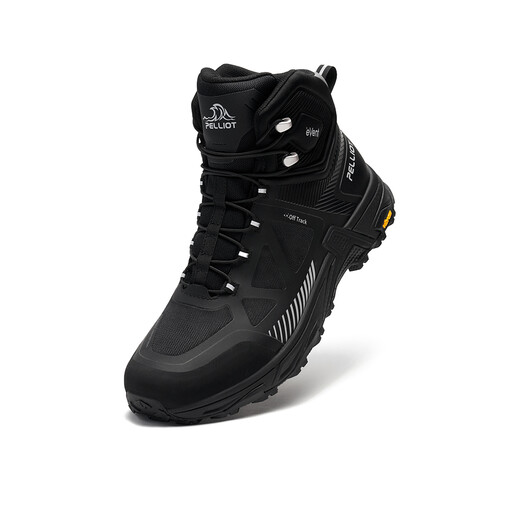
Why it's a match: Designed for hikers who regularly tackle changing and unpredictable terrain. The construction is engineered for maximum versatility, from muddy forest trails to rocky ascents in the mountains.
The integrated, breathable, and waterproof membrane provides reliable weather protection (avoids Pitfall 1). The sole's special lug pattern is designed for excellent grip on wet rock and loose scree, not just for looks (avoids Pitfall 2).
The Fitgo quick-lace system allows for precise, one-handed adjustment, saving time and effort without the risk of laces coming loose.
Why it's a match: For users who undertake multi-day tours with a pack and need a boot that still provides stability and protection after many miles. The priority here is durability and consistent comfort.
The rugged, abrasion-resistant upper and protective toe cap withstand wear and tear from scree and undergrowth. This prevents the premature failure common in less durable models (avoids Pitfall 3).
Comprehensive foot protection combined with a stable sole platform provides the necessary security and comfort to remain stable over long distances, even with a heavy backpack.
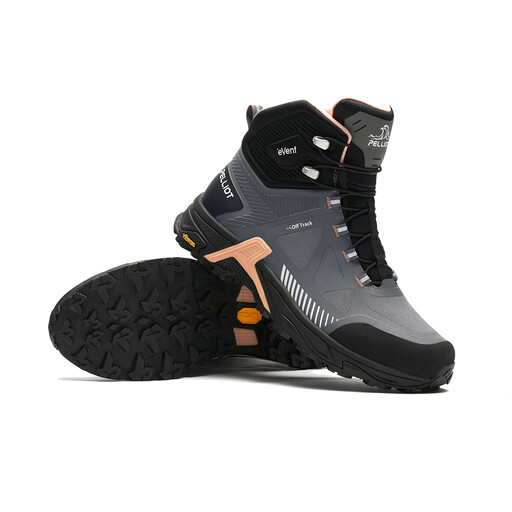
Why it's a match: This women's model of the PELLIOT hiking boots shares the technical features of the men's version and is ideal for users who value functional innovations that offer a real advantage on the trail.
The quick-lace system here is not a gimmick but a field-tested feature that allows for fast, secure adjustment even with gloves on. It is a functional improvement over traditional laces (avoids Pitfall 3).
The combination of the Fitgo system and the Nifco cord lock offers superior adjustment speed and security, allowing you to quickly fine-tune the boot's fit mid-hike as your feet swell.
We have compiled a complete, up-to-date list of products that fully meet these strict selection criteria and all applicable safety standards.
1. How do I find the right size for hiking boots when buying online? Measure your foot length in the late afternoon, as feet tend to swell slightly throughout the day. Compare the measurement with the manufacturer's size chart, which can be found on the product page. If you are between two sizes, choose the larger one to ensure enough room for thicker hiking socks. As a rule of thumb, there should be about a thumb's width of space in front of your toes.
2. How do I care for waterproof hiking boots to extend their lifespan? After each hike, clean coarse dirt off the boots with a brush and lukewarm water. Remove the insole to let it dry separately. Allow the boots to air dry, but never near direct heat sources like radiators, stoves, or in direct sunlight. Heat can damage the adhesive and the waterproof membrane. Regularly treating the upper material with a suitable waterproofing spray will maintain its water-repellent function and breathability.
3. Are boots with a quick-lace system really better than traditional laces? It depends on the quality of the system and personal preference. High-quality systems, like those used in the PELLIOT hiking boots, offer very fast, precise, and one-handed adjustment. This is a significant advantage on the trail, especially in the cold or when wearing gloves. Furthermore, they cannot come undone on their own. Traditional laces allow for more differentiated lacing for various foot zones but can freeze up or loosen when wet and cold.