
Lieferung heute & morgen

Qualitätsgarantie

Willkommens-Angebote freischalten: KOSTENLOSE Lieferung | Bis zu 80 % RABATT | Kostenlose 30-Tage-JoyPlus-Testphase
App herunterladen
For challenging tours in the Alps or multi-day trekking adventures, choosing the right footwear is critical. However, the market for men's waterproof hiking boots is saturated with marketing claims that often fail to deliver. An unsuitable boot can not only ruin your trek but also present a safety hazard. Before you make a purchase, it's essential to understand the most common pitfalls that lead to disappointment and unnecessary expense.
The three most common mistakes when buying hiking boots are:
To avoid a bad purchase, you should focus on the objective technical features that define a durable and functional boot. For serious hikers, these three parameters are non-negotiable.
For an outdoor boot to be truly reliable and waterproof, it must do more than just keep external water out. A high-quality waterproof and breathable membrane is essential. It prevents moisture from streams or rain from getting in while simultaneously wicking sweat away from the foot as water vapour. Without this breathability, your feet would get wet from the inside, leading to blisters and significant discomfort. Look for explicit details about an integrated membrane in the product description.
The sole is your direct connection to the ground and a critical safety feature for mountain boots for rough terrain. A robust sole construction provides the necessary torsional rigidity to stabilise your foot on uneven ground. The tread pattern is also crucial. A deep and aggressive lug pattern made from a high-traction rubber compound ensures a reliable grip on wet rock, loose gravel, and muddy slopes. Flat or fast-wearing treads are unsuitable for demanding treks.
The upper material must withstand extreme stress. Robust hiking boots often use an abrasion-resistant upper made of synthetic fabrics or leather. This not only protects against sharp rocks and undergrowth but also contributes to the boot's longevity. An additional protective toe cap made of rubber or a composite material is a must-have to shield the toes from impact and extend the life of the boot's front section.
Instead of making a blanket recommendation, we have selected models based on specific profiles for experienced hikers.
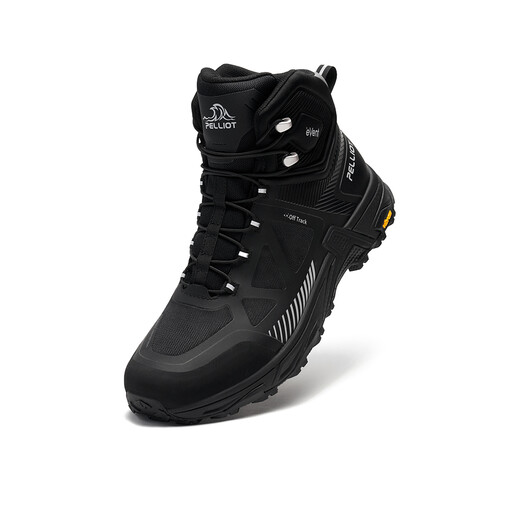
Why This Fits Their Persona: Ideal for hikers on multi-day tours across varied terrain. The construction is engineered for stability and grip on scree, wet rock, and muddy trails.
This boot features a robust sole construction with a specialised lug pattern, avoiding the pitfall of inappropriate sole stiffness for challenging terrain.
Aggressive traction pattern for superior grip; designed for challenging terrain and heavy trekking tours.
Why This Fits Their Persona: Perfect for users who value efficiency and modern technology. The quick-lacing system allows for precise, one-handed adjustment, even while wearing gloves.
This model uses an advanced quick-lacing system (Fitgo) designed for reliability, thus bypassing the pitfall of an untrustworthy or difficult-to-operate closure.
Fitgo quick-lacing system for precise one-handed operation; Nifco cord lock for a secure hold.
Why This Fits Their Persona: Engineered for use in the harshest conditions, from stream crossings to treks through dense undergrowth. The focus is on maximum protection and all-weather durability.
By combining an explicitly specified waterproof membrane with an abrasion-resistant upper and a toe cap, it avoids the pitfall of relying on a mere surface-level water-repellent treatment.
Comprehensive foot protection via abrasion-resistant material and a protective cap; reliable waterproofing for all weather conditions.
We have compiled a complete, real-time list of products that fully satisfy these strict selection criteria and UK safety regulations.
Proper care is crucial for the longevity of the waterproof membrane. After each tour, clean the boots of coarse dirt with a brush and a damp cloth. Avoid aggressive soaps or detergents. Allow the boots to air dry, but not near direct heat sources like radiators or stoves, as this can damage the material and the membrane. Machine washing should be avoided under all circumstances.
To get the most out of breathable hiking boots, you should avoid cotton socks. Cotton absorbs sweat and retains moisture, which negates the boot's breathability and can lead to blisters. We recommend performance socks made from merino wool or synthetic fibres. These materials effectively wick moisture away from the foot, helping to maintain a dry and comfortable foot climate.
A precise fit is essential for both comfort and safety. It's best to measure your foot length in the late afternoon or evening, as feet tend to swell slightly throughout the day. Compare your measurement with the manufacturer's size chart, which can be found on the product page. If your measurement falls between two sizes, it is advisable to choose the larger size to ensure enough room for hiking socks and the natural expansion of your foot during long treks.