
Lieferung heute & morgen

Qualitätsgarantie

Willkommens-Angebote freischalten: KOSTENLOSE Lieferung | Bis zu 80 % RABATT | Kostenlose 30-Tage-JoyPlus-Testphase
App herunterladen
Wet feet, slippery soles and pressure points are among the most common issues when buying new waterproof hiking shoes for men. Especially on longer hikes, camping trips or in the mountains, you often only find out en route whether a pair really suits the job. If you’re specifically searching for hiking shoes EU 43, don’t just focus on the look or catch-all terms like “outdoor”.
What matters are clear, verifiable details about the sole, upper, fit and lacing system. And the term “waterproof” shouldn’t automatically be taken to mean complete protection in every weather scenario.
A waterproof membrane can reduce water ingress, but it can also limit how well heat and moisture escape from your feet. For longer tours, breathable hiking shoes with a suitable lining are a smart choice. It’s also important that the tongue is well gusseted to the upper so water can’t simply pour in over the top.
Many models advertise a tough rubber sole. In reality, several factors drive traction:
Hiking shoes with reliable grip should match the terrain. Deep, aggressive tread can help on muddy tracks, while a very stiff build can be overkill for short, gentle walks.
Sizes vary by brand. For hiking shoes EU 43, compare your foot length in millimetres with the size chart. On longer descents your toes need extra room so they don’t hit the front. Too much space, however, can cause blisters and reduce stability.
For demanding routes, look for abrasion-resistant synthetic materials, reinforced toe zones and solid heel hold. A protective rand helps if your shoes often brush against rocks, branches or scree. With rugged trekking shoes, don’t just judge durability by looks—check the quality of stitching and the transitions between materials.
For flat forest paths, flexible soles with a moderate tread are often enough. Trekking boots for challenging terrain, on the other hand, should provide more lateral support and a clearly structured outsole. If you’ll be on wet rock, gravel or muddy slopes, scrutinise the brand’s notes on tread design and break the shoes in before your first long outing.
A quick-lace system can be handy in changeable conditions. Ideally, it should be operable one-handed and spread tension evenly. This is especially useful with gloves or frequent stops. That said, fast lacing never replaces the right last: the shoe shouldn’t press over the instep or slip at the heel.
Waterproof men’s outdoor shoes need regular care. After your hike, remove mud with a damp cloth and mild soap. Let them dry at room temperature, away from radiators. Machine washing and tumble drying can damage materials, adhesives and membranes. Actual lifespan depends on the ground you cover, how often you wear them, body weight and maintenance.
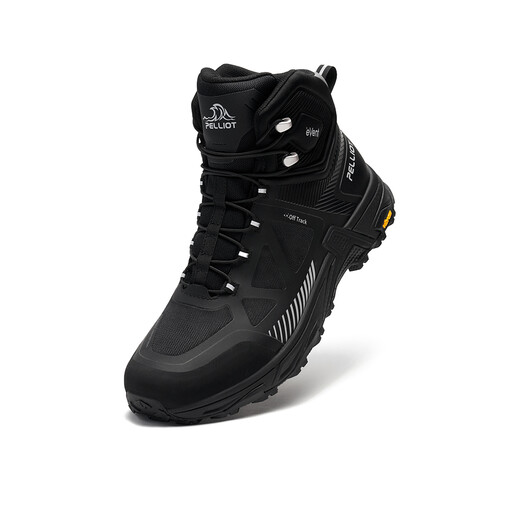
Why this product suits the profile: Available in EU 43, this model combines a waterproof build, reinforced toe, and a quick-lace system for hiking, camping and mixed terrain.
The size chart lists a 265 mm foot length for EU 43, making selection easier than choosing by EU size alone.
Abrasion-resistant synthetic upper, protective toe cap, lugged rubber outsole and Fitgo quick-lace system.
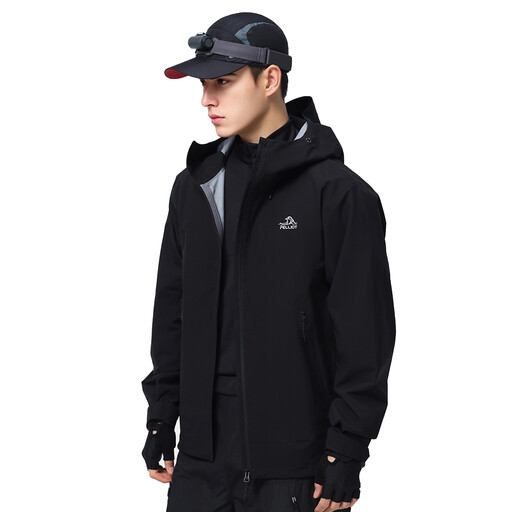
Why this product suits the profile: This jacket complements waterproof hiking shoes in rain and for watersports. It doesn’t replace footwear protection but extends your clothing setup for longer trips.
The clear product name indicates a waterproof jacket with dry-bag storage. Buyers can assess clothing protection separately from shoe choice.
Unisex design in black, size L, plus a concept for dry storage during water activities.
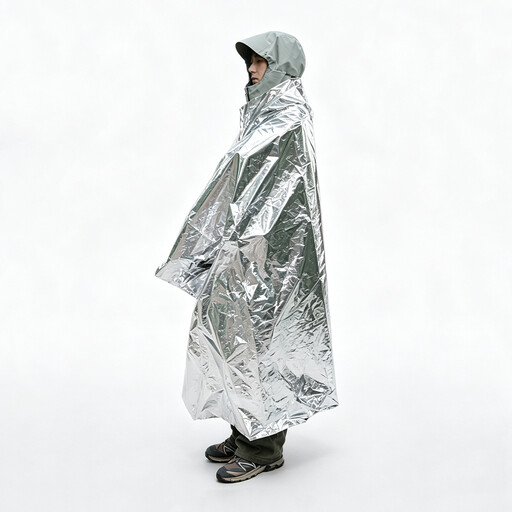
Why this product suits the profile: For camping, emergency kits and longer outdoor stays, this rescue blanket rounds out your hiking gear. It’s an accessory and doesn’t replace waterproof hiking boots or appropriate weatherproof clothing.
Its dedicated purpose prevents buyers expecting one item to provide footwear, clothing and emergency protection all at once.
Thicker build, thermal insulation function per product description, and versatile use as emergency equipment.
We’ve compiled a comprehensive, regularly updated list of products that fully meet these strict selection criteria and the safety regulations in force in the EU.
What counts is your measured foot length, not just your usual shoe size. For the PELLIOT model mentioned, EU 43 corresponds to a foot length of 265 mm according to the size chart. If you’re between sizes, going up can create room for hiking socks and descents. The heel should still lock in securely.
There’s no honest way to state a fixed lifespan. Frequent use on scree, in wet conditions and on tarmac wears the sole and upper faster than the odd forest walk. Obvious signs like worn-down lugs, cracks, delaminating sole sections or diminishing support indicate it’s time to replace them. Cleaning, slow drying and following the care instructions can help extend service life.
That depends on the membrane, lining, outside temperature, socks and workload. A lining described as breathable can help move moisture, but it won’t completely prevent hot or damp feet. For summer hikes, consider ventilation, weight and flexibility alongside water protection.