
Lieferung heute & morgen

Qualitätsgarantie

Willkommens-Angebote freischalten: KOSTENLOSE Lieferung | Bis zu 80 % RABATT | Kostenlose 30-Tage-JoyPlus-Testphase
App herunterladen
A men’s face cream should not be chosen based on its packaging, fragrance, or bold advertising claims. Skin type, ingredients, texture, and everyday usability are what matter. Whether you are looking for a men’s moisturiser, facial gel, or post-shave care, the product should match your skin’s individual needs.
Many disappointing purchases result from three common marketing traps:
For dry skin, formulas containing glycerin, hyaluronic acid, plant oils, or skin-identical lipids are often a good choice. A slightly richer face cream for dry skin can help relieve tightness after cleansing.
Light lotions and gels are often suitable for oily or combination skin. A face cream for oily skin should absorb quickly and leave no heavy, shiny finish. Ingredients such as silica can help create a visibly more matte appearance. This does not mean, however, that oily skin requires less hydration.
For sensitive skin, it is worth checking the complete INCI list. Fragrance, Alcohol Denat., and essential oils can be problematic for some people. A face cream for sensitive skin should initially be tested on a small area of skin.
Glycerin and Sodium Hyaluronate help support hydration in the upper layers of the skin. Dimethicone can create a smoothing film and help protect the skin from moisture loss. Ceramides and related lipids are frequently used in formulas designed to support the skin barrier.
Claims such as “anti-ageing face cream for men” should be viewed objectively. A cream can hydrate the skin, making dehydration lines temporarily less noticeable. That does not automatically indicate a lasting change to wrinkles or skin structure. For everyday skin protection, a sunscreen with a suitable SPF also remains important.
After shaving, a fragrance-free or lightweight moisturiser may feel more comfortable than a heavily scented cream. The label aftershave care does not automatically mean that a product excludes potentially irritating ingredients. If you are prone to redness or stinging, check the specific ingredient list.
For daily facial care, a small amount is usually sufficient after cleansing. Sunscreen can be applied afterwards in the morning. In the evening, a straightforward moisturiser or facial gel is generally enough, provided there are no specific dermatological needs.
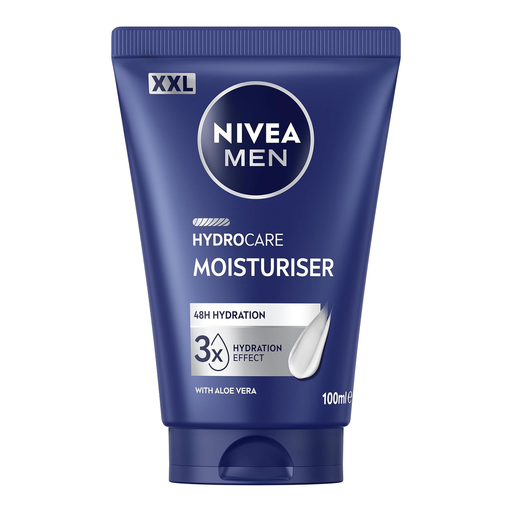
Why it stands out: The 100 ml size is well suited to a simple daily routine in the morning and evening, as well as post-shave care.
The selection is based on size, usage instructions, and ingredients rather than blanket performance claims.
The stated formula contains glycerin, panthenol, and aloe vera powder; according to the usage instructions, the product can also be used after shaving.
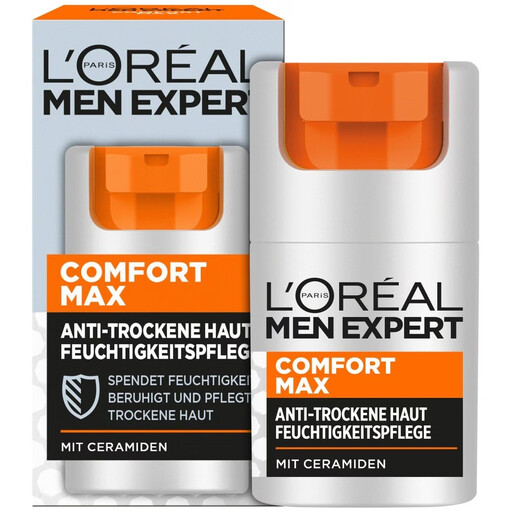
Why it stands out: The product description explicitly targets dry male skin prone to feelings of tightness.
The formula is assessed according to its stated humectant and conditioning ingredients, rather than an across-the-board anti-ageing promise.
Glycerin and shea butter are listed in the stated INCI formula; the cream is intended for daily use.
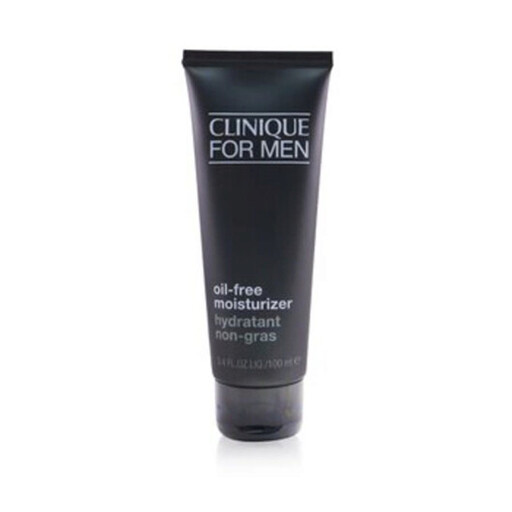
Why it stands out: According to the product information, the lightweight gel lotion is intended for oily, combination, and sensitive skin.
The “Oil Free” label is put into context through the lightweight gel texture and the stated focus on a less shiny-looking complexion.
The product information specifies 100 ml, a fragrance-free formula, and suitability for use after shaving.
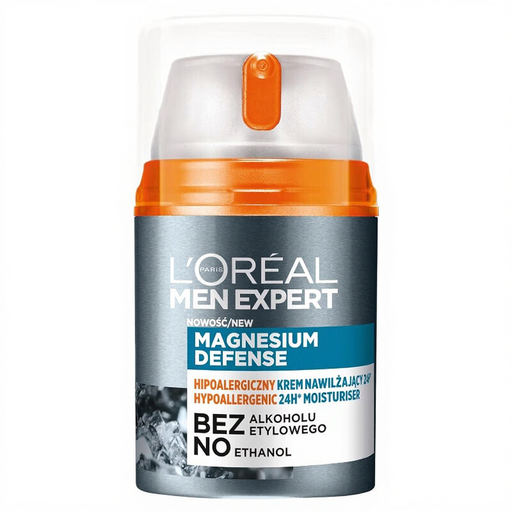
Why it stands out: The product description highlights sensitive skin, shaving irritation, and an alcohol-free formula as key use cases.
Rather than accepting “gentle” as a mere marketing term, compare the stated alcohol-free formula with your own skin’s tolerance.
The brand describes the product as hypoallergenic and dermatologically tested; hyaluronic acid is also listed in the product description.
For additional textures and skin types, including facial gel for men, explore the continuously available selection in the following category:
We have put together a comprehensive, up-to-date selection of products that can be assessed for daily facial care using these criteria.
Apply a small amount to cleansed, slightly dry skin on the face and neck. A richer cream may be beneficial for dry skin, while a lightweight gel is often sufficient for oily skin. After shaving, monitor the skin first for any signs of irritation.
Shelf life is determined by the best-before date and the PAO symbol on the packaging, such as the open-jar symbol showing the number of months. Changes in scent, colour, or consistency are a reason to stop using the product, regardless of the date. For sensitive skin, a patch test is recommended before applying the product over a larger area. Discontinue use if redness, itching, or stinging occurs.
Lightweight, oil-free lotions or gels can be suitable for oily and combination skin. Look for a fast-absorbing texture and check whether the INCI list contains fragrance or other ingredients that you personally do not tolerate.
Yes, provided the product is intended for this use and your skin tolerates it. After shaving, fragrance-free or alcohol-free formulas may feel more comfortable for some users. However, not every moisturiser replaces a specially formulated aftershave product.
As a rule, applying it morning and evening after cleansing is sufficient. If your skin feels tight, a small additional amount may be helpful. During the day, use a separate sunscreen when exposed to UV radiation.