
Lieferung heute & morgen

Qualitätsgarantie

Willkommens-Angebote freischalten: KOSTENLOSE Lieferung | Bis zu 80 % RABATT | Kostenlose 30-Tage-JoyPlus-Testphase
App herunterladen
Men’s running shoes with cushioning should provide comfort, support and a suitable foot-roll with every step. In practice, however, unclear product details, an unsuitable fit or an inappropriate sole profile often lead to disappointing purchases. As Joybuy Product Recommendation Officers, we therefore base our selection on clear, verifiable features rather than marketing claims.
A very soft midsole is not equally suitable for every runner. Body weight, running surface, distance, pace and personal comfort preferences all play a part. Anyone who mainly runs on tarmac needs a different sole profile from someone who regularly uses woodland paths or rocky trails.
Men’s breathable running shoes are often made from mesh or woven textiles. This can support air circulation, but on its own it says nothing about durability, protection or fit. Additional TPU reinforcements can be useful on varied terrain, while highly breathable mesh can feel comfortable during summer road runs.
An EU size can fit differently depending on the last and model. Shoes that are too short can become uncomfortable over long distances because of swelling or friction. With running shoes featuring a wide toe box, you should also check that your toes have enough room to move without your foot sliding forwards inside the shoe.
In running shoes with EVA cushioning, the foam in the midsole absorbs some of the impact and influences the sensation as your foot rolls forwards. EVA can be lightweight and resilient, but the exact firmness, thickness and construction vary from model to model. Claims such as “high rebound” should therefore be considered alongside the actual material description.
Look for:
Cushioning is not a medical or therapeutic guarantee. It primarily describes the shoe’s construction and the running feel you can reasonably expect.
For road running, a flatter rubber outsole with consistent contact against the ground is often sufficient. With men’s trail running shoes, however, tread pattern, rubber compound and resistance to wear are crucial. Grip on wet tarmac, loose sand or muddy paths can be very different from grip on a dry indoor floor.
You should therefore check:
The description “slip-resistant running shoes” does not mean the shoes will provide grip in every condition. Even a grippy sole needs to be used on a suitable surface.
Lightweight men’s running shoes can improve comfort during longer sessions, but weight should not be the only selection criterion. A very lightweight shoe may offer less protection or less structural support. For frequent users, secure heel support, a well-fitting tongue and a durable upper are often more important than the lowest possible weight.
When trying them on, we recommend that you:
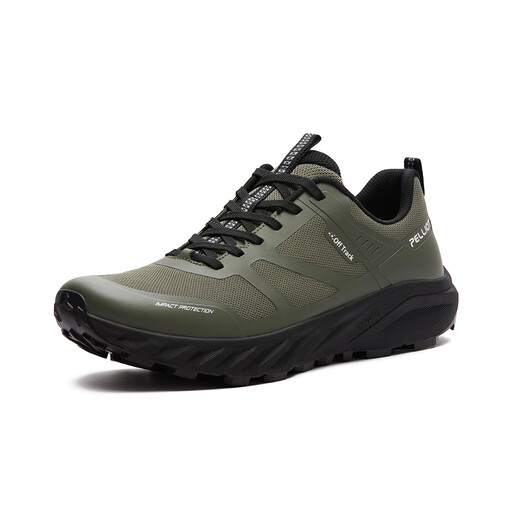
Why this product suits this profile: This model combines a lightweight sandwich-mesh upper with an EVA midsole, making it suitable for beginners who want to combine road running with occasional runs on firm paths.
The product description specifies the material, midsole and available fits instead of relying solely on general comfort claims.
Lightweight textile upper, highly elastic EVA foam and a ROCKYTEC rubber outsole, according to the manufacturer’s details.
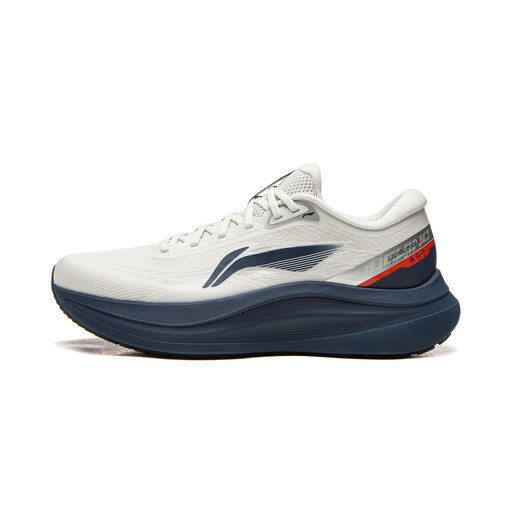
Why this product suits this profile: If you value defined heel guidance and a wider toe area for road running, this model provides several construction details relating to fit and stability.
The description highlights a heel widened by 2 mm, PROBAR LOC and HEEL LOC+TUFF RB. These details enable a more objective assessment than a general promise of stability.
Full-length Tempo-Bounce midsole, textile materials with a polyurethane content and zoned rubber traction, according to the product details.

Why this product suits this profile: This unisex model is an appealing option for users who switch between tarmac, firm paths and more demanding outdoor routes while preferring a breathable upper.
The selection considers not only cushioning, but also airflow, different foot-shape options and a profile designed for varied surfaces.
Sandwich mesh and woven upper, highly elastic EVA midsole and ROCKYTEC rubber with wear-resistant properties, according to the manufacturer’s description.
We have put together a complete, regularly updated list of products that fully meet these strict selection criteria and the safety regulations applicable in the EU.
Service life depends on running volume, body weight, surface, moisture and storage conditions. It is not possible to give a reliable fixed mileage without taking individual use into account. Replace your running shoes when the outsole is noticeably worn, the midsole appears permanently compressed or the support starts to deteriorate.
For a longer service life:
For long distances, a comfortable midsole, sufficient room in the forefoot and secure heel support are important. EVA foam can combine low weight with resilience. However, the right version depends on your individual running style and surface. Before buying, you should test the shoe during a short session and check for pressure points.
Models designed for road and trail use can be versatile on firm paths. However, heavily lugged outsoles may feel different on tarmac and can wear more quickly depending on the rubber compound. If you mainly run on roads, choose a sole profile designed for this surface.
The price depends on factors including the materials, sole construction, brand, fit and additional features. A higher price does not guarantee the right choice. First compare the cushioning material, upper, sizing information and intended use. This allows you to make better use of your available budget instead of paying for marketing features you do not need.