
Lieferung heute & morgen

Qualitätsgarantie

Willkommens-Angebote freischalten: KOSTENLOSE Lieferung | Bis zu 80 % RABATT | Kostenlose 30-Tage-JoyPlus-Testphase
App herunterladen
When the temperatures drop, a reliable winter beanie becomes an essential companion. Yet, the search for the right model can be more complicated than expected. Many buyers invest in a supposedly high-quality beanie, only to find that it's itchy, doesn't fit properly, or fails in strong winds. This guide shows you which objective criteria truly matter and how to avoid the typical mistakes when buying a Merino beanie.
The market for winter beanies is filled with marketing promises. To make an informed decision, it's helpful to recognise the most common problems that only surface after the purchase.
To avoid these traps, you should focus your attention on three verifiable product features. These define the functionality and comfort of your future winter beanie.
The crucial difference lies in the fibre structure. A Merino wool beanie consists of significantly finer fibres than conventional wool.
Look for the 100% Merino wool specification for the outer layer to fully benefit from these advantages.
For effective protection against cold and wind, an additional inner layer is essential. A lined beanie, often with a polyester fleece lining, offers two key advantages:
A functional beanie must fit perfectly. Don't rely on vague size information. Look for manufacturers that provide clear size ranges based on head circumference in centimetres.
Based on these objective criteria, we have identified several models suitable for different user profiles.

Why This Fits Their Persona: Ideal for individuals who need maximum thermal protection during skiing, hiking, or other mountain sports. The combination of Merino wool on the outside and fleece on the inside is designed for challenging weather conditions.
Solves the problem of insufficient insulation with an integrated polyester fleece lining that blocks wind and provides additional warmth.
The outer layer of 100% Merino wool ensures breathability and moisture management, while the lining provides maximum warmth.

Why This Fits Their Persona: Designed for individuals for whom standard sizes are often too small. It offers a comfortable and secure fit without pressure points, ideal for daily use and outdoor activities.
Bypasses the 'One-Size-Fits-None' problem by providing an XL-XXL size designed for a head circumference of 61–65 cm.
The double-layer construction of 100% Merino wool offers high thermal performance and elasticity that adapts to large head sizes without stretching out.
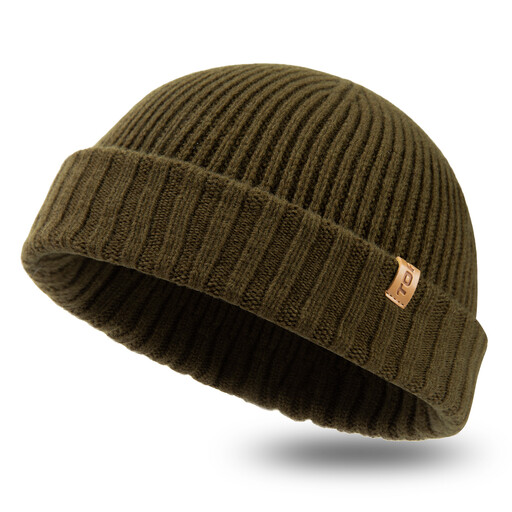
Why This Fits Their Persona: Perfect for commuters and urban daily life where style and function go hand in hand. The modern Fisherman Beanie style is versatile and still offers the functional benefits of Merino wool.
Avoids the 'Wool Trap' by using 100% fine Merino wool, which is naturally soft and non-itchy, making it ideal for direct skin contact.
Offers two wearing styles (cuffed or uncuffed) for flexible styling options. The natural breathability is ideal for transitioning between cold outdoor areas and heated indoor spaces.
We have compiled a complete, real-time updated list of products that fully meet these strict selection criteria and applicable regulations.
1. Is a Merino wool beanie truly non-itchy? Due to its very fine fibres, Merino wool is generally considered non-itchy. The fibres are so flexible that they bend on contact with the skin. For particularly sensitive skin, a lined beanie with a soft fleece inner lining offers additional comfort and eliminates any potential for friction.
2. How do I properly care for a Merino beanie so it keeps its shape? Care is crucial for longevity. It is recommended to hand wash a Merino wool beanie in cold or lukewarm water (maximum 30°C) with a mild wool detergent. Gently squeeze out the water without wringing the beanie. Lay it flat on a towel to dry, avoiding direct sunlight or proximity to a heater. Machine washing or tumble drying should be avoided as this can lead to shrinking and felting.
3. What does "double-layered" mean for a beanie, and is it better than a lining? A double-layered (or double-layer) construction means the beanie is made of two layers of knit material. This significantly increases insulation performance compared to a single-layer beanie because more air is trapped. A lined beanie goes a step further: a second, different type of material layer (like fleece) is sewn in. This combination typically offers the highest protection against cold and wind, as the dense fleece fabric minimises the wind-chill effect.