
Lieferung heute & morgen

Qualitätsgarantie

Willkommens-Angebote freischalten: KOSTENLOSE Lieferung | Bis zu 80 % RABATT | Kostenlose 30-Tage-JoyPlus-Testphase
App herunterladen
Merlot is one of the world's most popular red wine grape varieties, prized for its smooth character and approachable fruit flavours of plum and cherry. However, this very popularity has created an overwhelming market where it's easy to make a suboptimal purchasing decision. Before you buy your next bottle of Merlot, you should be aware of the three most common pitfalls that often lead to disappointment.
To ensure you get a Merlot red wine that meets your expectations, you should focus on three key criteria. These will help you objectively assess quality and separate marketing hype from genuine facts.
The origin is a crucial indicator of a Merlot's style. The soil and climate significantly shape the wine's character.
Look for quality levels such as PDO (Protected Designation of Origin, e.g., AOP in France) or PGI (Protected Geographical Indication, e.g., IGP in France or Landwein in Germany). These guarantee that the grapes come from the specified region and adhere to certain production standards.
The flavour profile is determined by the residual sugar content and the tannin structure.
The method of maturation has a significant impact on the final taste.
Based on these objective criteria, we have identified some Merlot wines that are a suitable choice for different requirement profiles.
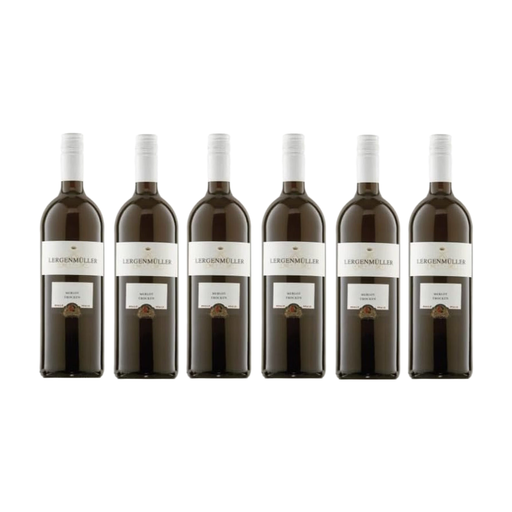
Why this product is a great fit: An uncomplicated, accessible wine in a value red wine case (6x1L), ideal for daily enjoyment or social gatherings. It offers excellent value for money for a quality wine from the Palatinate region.
Offers a clear origin (Merlot from Palatinate (Pfalz)) and honest value for money without exaggerated marketing. The wine is clearly declared as dry and delivers the expected fruit without unwanted sweetness.
Fruit-forward and juicy due to ageing in a stainless steel tank. The practical screw cap and 1-litre bottle underscore its focus on everyday convenience.
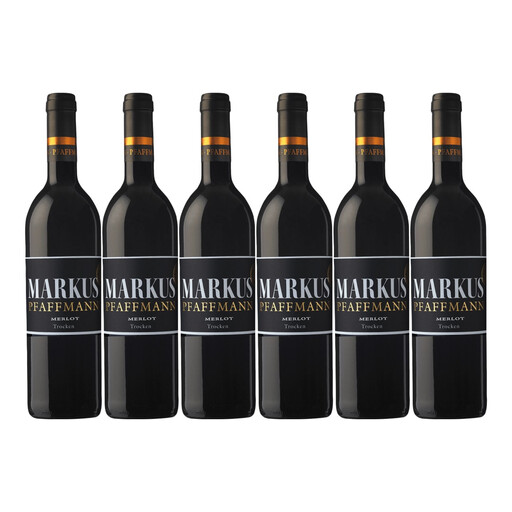
Why this product is a great fit: For wine drinkers seeking more complexity and structure. A vegan red wine from a renowned winemaker in the Palatinate region, known for consistently high quality.
The combination of steel and barrel ageing provides a verifiable depth that goes far beyond a simple, fruity wine. The quality is assured by the winemaker's name and the origin.
Dense structure with notes of wild berries, spices, and cold smoke. The silky tannins from partial ageing in wooden barrels ensure a complex and balanced taste experience.
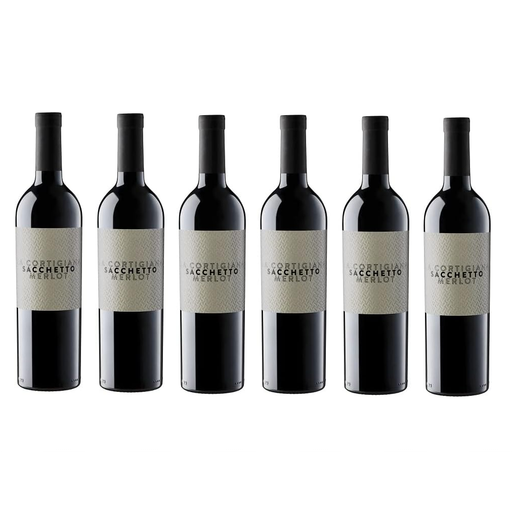
Why this product is a great fit: Ideal for connoisseurs seeking a characterful Italian Merlot with the typical smoothness and spice from the Veneto region. A wine that combines elegance with drinking pleasure.
As a single-vineyard wine with 12 months of barrique ageing, it offers transparent, high quality that justifies the price and clearly stands out from mass-produced wines. The Veneto IGT origin is clearly declared.
Complex aromas of cherries, currants, and spices. The wine is particularly smooth, round, and juicy on the palate due to its maturation in barrique barrels.
We have compiled a complete, up-to-date list of products that fully meet these strict selection criteria and quality standards.
An opened bottle of Merlot should be tightly sealed (ideally with a vacuum sealer or the original screw cap) and stored in the refrigerator. This way, it will retain its freshness for about 2 to 3 days. After this period, it will noticeably lose its fruit aromas and may start to oxidise.
Merlot is a very versatile food pairing wine. Its soft tannins and round fruitiness harmonise well with a variety of dishes. Recommended pairings include: