
Lieferung heute & morgen

Qualitätsgarantie

Willkommens-Angebote freischalten: KOSTENLOSE Lieferung | Bis zu 80 % RABATT | Kostenlose 30-Tage-JoyPlus-Testphase
App herunterladen
As a Joybuy Product Recommendation Officer, I see every day how the right choice of craft supplies brings creative ideas to life. Metal cutting dies are a core tool for anyone passionate about scrapbooking or card making. However, the market is vast, and not every die delivers the desired results. Often, subtle flaws lead to frustration instead of crafting joy. This guide will help you avoid the common pitfalls and find cutting dies that will reliably elevate your projects.
The most common problems are quickly identified: dies that tear paper rather than cutting it cleanly, intricate designs that won't release from the die, or unexpected incompatibility with your die-cutting machine. Such annoyances can be avoided by paying attention to a few fundamental criteria.
To avoid disappointment, you should check three essential aspects before buying. These parameters determine whether a cutting die becomes a durable tool or a short-term frustration.
The quality of a cutting die depends heavily on its material. Most models on the market are made of Carbon Steel. This material offers a good balance of hardness and flexibility, which ensures sharp and durable cutting edges. Look for a smooth, burr-free finish on the edges. Poorly finished dies lead to messy, fibrous cut lines and can damage your paper. A solid material thickness also prevents the die from bending with repeated use.
Not every die fits every machine. Although most thin metal dies, known as "wafer-thin dies," are compatible with standard manual die-cutting and embossing machines (e.g., from Sizzix, Cuttlebug, or Spellbinders), there are exceptions. Check the die dimensions and compare them with the maximum opening width of your machine. This is particularly crucial for large background or border dies. The combination of cutting plates, adapter plates, and the die itself—the "sandwich"—must be assembled correctly to ensure optimal pressure. Information on this can usually be found in the machine manufacturer's manual. The right die-cutting machine accessories are essential here.
Intricate designs like flowers or butterflies are especially popular, but they also place high demands on the die's design. For highly detailed dies, it's important that they have small holes on the back. These holes allow you to gently push out the die-cut paper element with a pointed tool without damaging it. If these release holes are missing, removing the delicate design often becomes a test of patience. These functional details separate well-thought-out scrapbooking accessories from less practical products.
To make the selection easier, we have compiled some products based on typical user profiles.
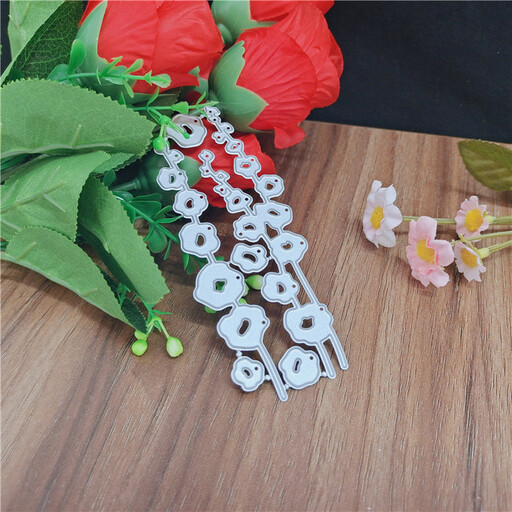
Why This Fits Their Persona: This set is ideal for those just starting with card making. The designs are clearly defined and not overly intricate, which makes them easy to handle and ensures quick, successful results. The universal flower motifs are versatile for many occasions.
The straightforward design avoids the frustration that can occur with extremely intricate dies that lack release holes. The die-cut paper is easy to remove.
The set includes several small, separate dies that can be arranged flexibly on cards and layouts. It's perfect for learning the basics of layering.
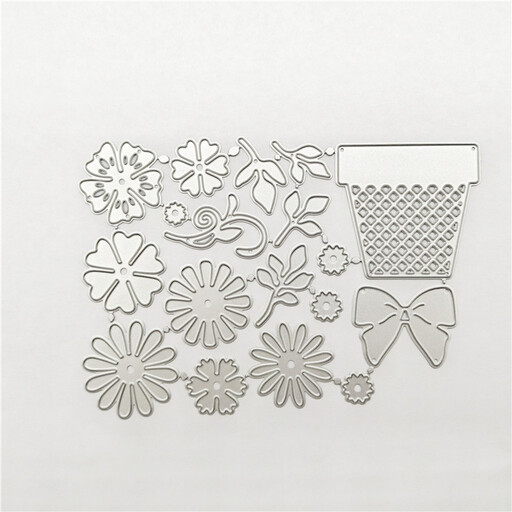
Why This Fits Their Persona: For experienced crafters who love creating elaborate, multi-dimensional projects. This die creates a complete background frame, serving as a sophisticated base for complex cards or scrapbook pages.
Despite its complexity, the design ensures the main structure remains connected. This provides stability during cutting and removal, a common issue with large, intricate dies.
Creates a complete, detailed background in a single pass. This saves time and ensures a cohesive look. The die can also be used for embossing.
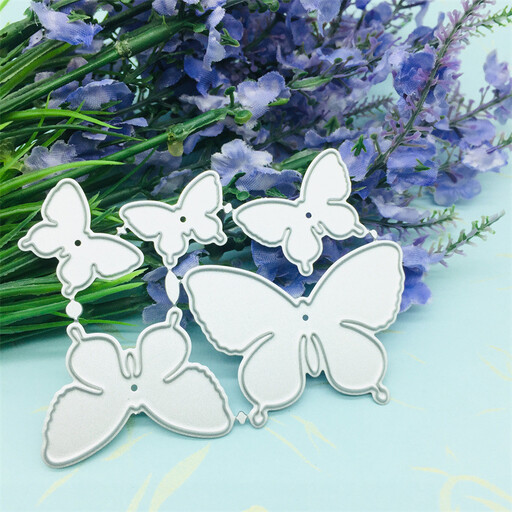
Why This Fits Their Persona: Perfect for crafters looking to build a collection around a specific theme, like butterflies. This set offers multiple butterflies in various sizes and designs, allowing for cohesive yet varied creations.
Instead of a single, cluttered die, this set provides separate elements. This prevents material waste and gives the user full control over the placement of each design.
The set includes five different butterfly designs. This allows for creating 3D effects by layering or for decorating an entire series of projects in a consistent style.
We have compiled a complete, real-time list of products that fully satisfy these strict selection criteria and UK safety regulations.
The majority of cutting dies used in the crafting hobby are made of carbon steel. This material is chosen because it can be precisely shaped into sharp edges while being robust enough to withstand the pressure of a die-cutting machine without permanently deforming. It allows for clean cuts through paper, cardstock, felt, and other thin materials.
Most thin metal dies are compatible with the most common manual die-cutting machines. The crucial factor is the width of the die, which must not be wider than the machine's opening. However, depending on the machine and die thickness, it may be necessary to adjust the arrangement of the plates (the "sandwich"). A look at your machine's manual will provide information on the correct combination of base plate, cutting plates, and any necessary adapter plates.
Regular maintenance ensures the longevity of your crafting dies. After each use, carefully remove paper scraps with a brush or a special tool (a die pick). To improve cutting performance on intricate designs, you can occasionally run a sheet of wax paper through with the die; the wax acts as a light lubricant. Store the dies flat and dry, ideally on magnetic sheets or in special storage pockets, to prevent bending.