
Lieferung heute & morgen

Qualitätsgarantie

Willkommens-Angebote freischalten: KOSTENLOSE Lieferung | Bis zu 80 % RABATT | Kostenlose 30-Tage-JoyPlus-Testphase
App herunterladen
Metal cutting dies for card making are among the most versatile tools for greetings cards, scrapbooking albums and paper decorations. Depending on the design, they can cut out motifs, create embossed effects and be combined with compatible die-cutting machines. To avoid turning your crafting project into a poor purchase, make sure the design, material and compatibility match before you buy.
Not every cutting die will automatically fit every machine. The key factors are the die dimensions, the maximum material thickness and the plate arrangement you have available. If the dies are too large or too thick, the result may be uneven and the machine may be put under unnecessary strain.
Before buying, check the following:
Flower dies, leaf dies and lace-pattern dies often look highly detailed in product images. In practice, however, what matters is whether the design suits your card formats. Very intricate patterns can be difficult to weed from thin paper. Large frames, meanwhile, need sufficient space and are not suitable for every small folded card.
For beginners, clearly recognisable designs with a medium level of detail are often easier to use. If you already have experience with scrapbooking, you can complement these with intricate lace or frame dies.
Metal cutting dies cut paper into a specific outline. Embossing folders, on the other hand, primarily create a raised texture. Some sets combine both functions, while others do not. Always check the specific product description and the information about the machine being used. A die set does not automatically replace every embossing set.
Measure the area you want to decorate. For a classic greetings card, individual flowers, branches or small text panels are often more flexible than a large background frame. A larger design may be useful for photo albums and scrapbook pages.
It can be helpful to combine:
Metal dies should retain their shape and have a clearly defined cutting edge. With very fine patterns, your choice of paper is also important. Thin paper is generally easier to remove, while sturdy card creates a more durable decoration. For clean results, test different paper weights carefully rather than using valuable design paper straight away.
Die-cutting machine accessories can include cutting plates, embossing mats and suitable spacer plates. These components affect the pressure and therefore the result. For stickers, vinyl, cutting-plotter film or textile materials, a traditional metal die is not always the right solution. A plotter for stickers and cards works digitally and generally requires software, a cutting mat and compatible blades.
Laser-based devices involve additional safety requirements. Protective eyewear, ventilation, supervision and a suitable working area are essential. These devices should not be treated as equivalent to conventional paper-cutting dies.
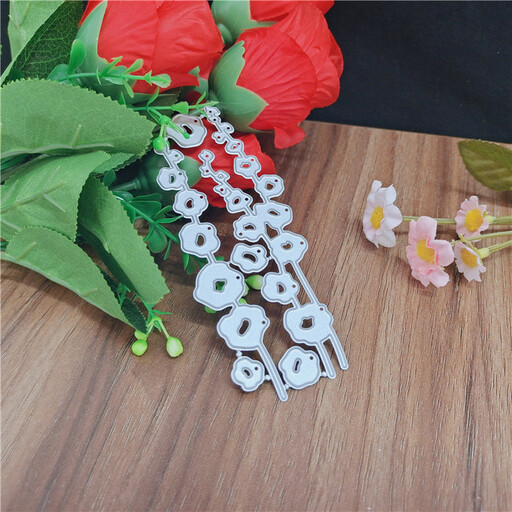
Why this product suits this profile: The flower design is suitable for classic greetings cards, scrapbooking and simple paper decorations. It offers an accessible introduction to scrapbooking dies without requiring digital software.
The manageable design makes it easier to choose the right paper size and card area. You should still check machine compatibility before using it.
Flower design for card making; intended as a metal die for paper projects with a suitable die-cutting machine.
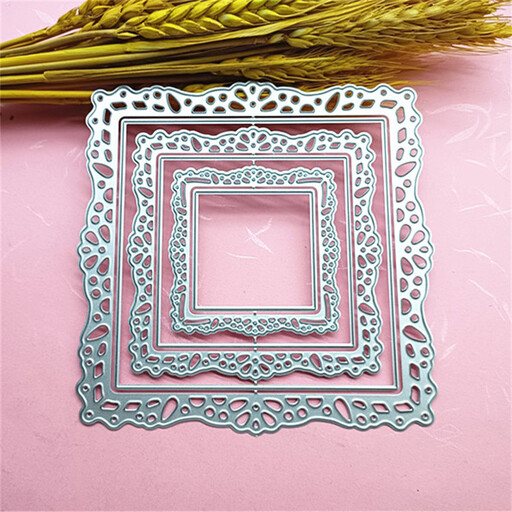
Why this product suits this profile: The square lace pattern is designed for full-card backgrounds and decorative scrapbook pages. It is well suited to projects that call for a regular, consistent structure.
The clearly described square format makes planning easier. Because of the intricate pattern, test the paper weight and the weeding process beforehand with a sample piece.
Full-surface lace pattern; for card backgrounds and decorative paper projects with a compatible machine.
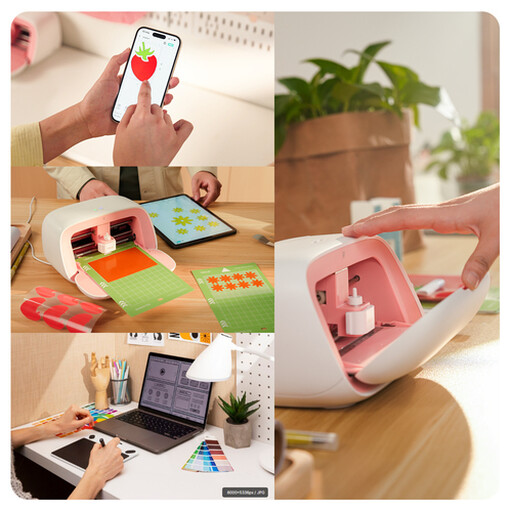
Why this product suits this profile: The compact plotter is designed for stickers, vinyl, cutting-plotter film, textiles and cards. The starter set may appeal to users who want to work with digital cutting designs rather than using only metal dies.
The stated working area of 13,97 cm shows that the machine is primarily intended for smaller designs. Large card designs should therefore be checked against the format beforehand.
For stickers, vinyl, textiles and cards; starter set included according to the product description.
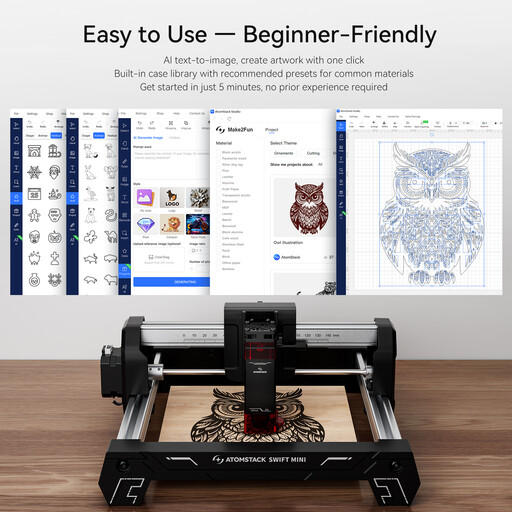
Why this product suits this profile: This device is aimed at DIY users who want to create small personalised projects on wood, cards or suitable materials. It complements card-making accessories, but is not a conventional die-cutting machine.
The product specifications state a working area of 155 × 135 mm, an output of 3 W and precision of 0,04 mm. Protective eyewear, ventilation and supervision are also required.
Pre-assembled device; stated working area of 155 × 135 mm; intended for small engraving projects.
We have put together a complete, regularly updated list of products that fully meet these strict selection criteria and the safety regulations applicable in the EU.
You will generally need a manual die-cutting and embossing machine with suitable cutting plates. Check the details for the relevant set, including its size, plate arrangement and material thickness. A plotter works differently and is designed for digitally controlled cuts.
This depends on the die and the machine. Thin paper is often easier to remove from intricate designs, while thicker card provides greater stability. A test cut using a piece of scrap paper helps prevent damage to your design paper.
Their lifespan depends on the quality of the material, frequency of use, paper weight and condition of the cutting plates. Clean storage, suitable pressure and avoiding unsuitable materials can help extend their service life. Without specific manufacturer data, it is not possible to give a reliable fixed timeframe.