
Lieferung heute & morgen

Qualitätsgarantie

Willkommens-Angebote freischalten: KOSTENLOSE Lieferung | Bis zu 80 % RABATT | Kostenlose 30-Tage-JoyPlus-Testphase
App herunterladen
Metal cutting dies for scrapbooking and card making are a practical addition to paper projects when you want to cut out the same designs repeatedly and as evenly as possible. Whether you are looking for flowers, frames, butterflies, lettering or seasonal decorations, there is plenty of choice. At the same time, similar product names and incomplete specifications can often lead to unsuitable purchases.
Before buying, it is therefore worth taking a close look at the material, dimensions, machine compatibility and intended use.
Not every cutting die is designed for the same purpose. Cutting dies separate paper along a contour. Embossing folders, on the other hand, create a raised or recessed pattern without cutting all the way through the paper. Some metal dies can support both applications, provided they are suitable for the relevant technique and machine.
The product description should therefore clearly state whether the item is a standard cutting die, an embossing template or a combination of both. Terms such as “Embossing”, “Paper Die” or “Template” are sometimes used inconsistently and do not replace clear information about how the product is used.
A metal die may appear sturdy but still not be compatible with your machine. Important factors include:
For several of the offers featured here, the available product information does not include complete dimensions or specific machine models. These details should be checked on the relevant product page before buying.
Fine leaves, small lettering and decorative frames can be more difficult to work with when using very thick or heavily textured card. Conversely, thin paper may tear when the cut pieces are removed. For beginners, a medium-weight paper and careful removal of the cut pieces are recommended.
With intricate DIY cutting dies, small cut-outs are also important. If scraps of paper remain stuck in the openings, a purpose-designed release tool can be helpful. This is not an indication of a particular product’s quality, but simply a normal aid when working with paper crafts.
The product names in this selection mainly mention metal or carbon steel. Carbon steel is often used for cutting dies because it allows for a firm, slim construction. However, the material name alone does not indicate how long a die can be used. This also depends on the workmanship, care, type of paper and frequency of use.
After use, metal cutting dies should be stored somewhere dry and protected from dust. Moisture can contribute to corrosion on metal craft tools.
Compact designs are often easier to position when making cards. Frame or background dies, on the other hand, require enough space on the card or in the photo album. Before buying, compare the design with the project you have in mind:
Particularly with cutting dies for photo albums and frame cutting dies, the internal dimensions are just as important as the external dimensions.
A design containing several elements can be used for a range of different projects. Flower cutting dies, for example, are suitable for greetings cards, album pages and paper decorations. Butterfly cutting dies can be arranged as individual accents or in groups. Seasonal designs such as wreaths are more closely tied to particular occasions, but can be used to great effect for suitable projects.

Why this product suits this profile: The set name specifies four dies and carbon steel, making it a manageable introduction to card making and paper projects.
The stated number of pieces makes it easier to assess what is included. However, dimensions and machine compatibility should still be checked before ordering.
Four dies according to the product name; carbon steel listed as the material.
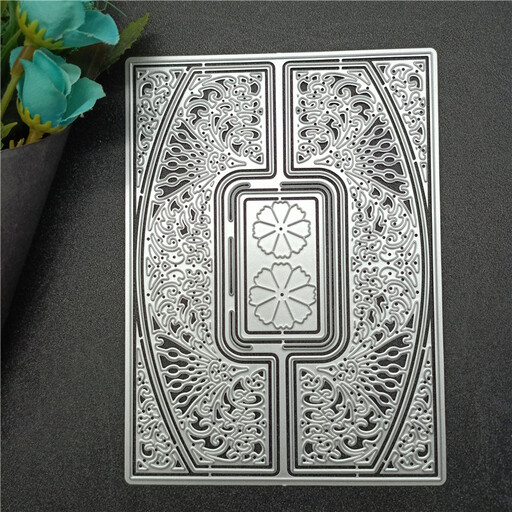
Why this product suits this profile: The design combines a floral frame with card-making applications, making it an interesting option for structured layouts.
The product name describes the frame style and floral pattern. Before buying, compare the external and internal dimensions and check whether you need an embossing function.
Floral frame design; described as a kit for card-making projects.
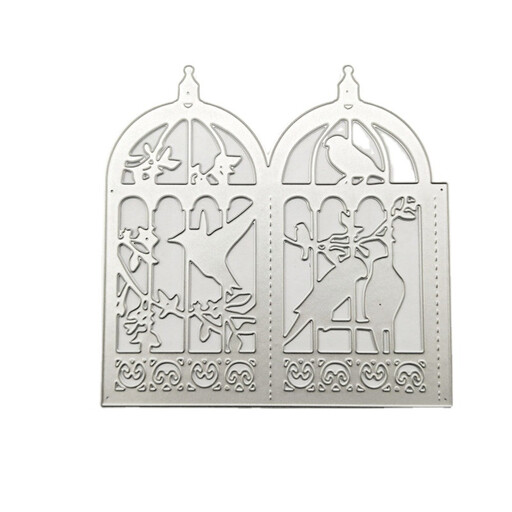
Why this product suits this profile: The product is designed for wedding card decoration and scrapbook albums, making it suitable for occasion-specific paper crafts.
The theme is clear from the product name. Even so, check that the included designs actually fit the card size you are planning to use.
Designed for wedding motifs; intended for scrapbook albums and paper cards.
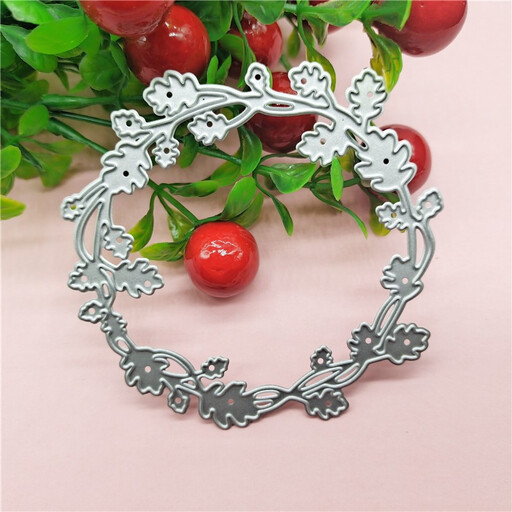
Why this product suits this profile: The wreath is explicitly described as a Christmas design for photo albums, cards and decorative paper crafts.
The seasonal use is clear, helping you avoid buying a thematically unsuitable universal set. Dimensions and contents should still be checked.
Christmas wreath design; specified for card and photo album decoration.
We have put together a complete, regularly updated list of products that fully meet these strict selection criteria and the safety regulations applicable in the EU.
For a baby album or birth card, a design such as Baby Feet Die Cuts for Card Making could be a good choice. For birthday cards, the selection includes Candles Die Cut for Card Making. Flower and butterfly cutting dies, on the other hand, are more versatile for neutral greetings cards and album pages.
If you are planning several design layers, look for frame, background or 3D dies. A single frame can provide the outer contour, while smaller designs can be added inside the card. When buying several dies, it is a good idea to coordinate the design sizes.
This depends on the die-cutting machine and the particular die. Thin craft paper is usually easier to remove, while sturdy card can produce more robust cards. Check the recommended paper thicknesses in the product or machine description. For intricate designs, a test cut using a scrap of paper is advisable.
No. Machines differ in plate size, pressure system and permitted material thickness. Before buying, compare the manufacturer’s specifications, formats and the required sandwich configuration. If this information is missing, ask the seller to confirm compatibility.
There is no reliable standard usage period. Factors include the material, cutting contour, paper thickness, pressure and storage conditions. Keeping the dies dry, cleaning them carefully and using them within the recommended material limits can help extend their usable life.