
Lieferung heute & morgen

Qualitätsgarantie

Willkommens-Angebote freischalten: KOSTENLOSE Lieferung | Bis zu 80 % RABATT | Kostenlose 30-Tage-JoyPlus-Testphase
App herunterladen
Flowers, leaves, frames and letters add individual details to DIY cards and photo albums. However, when choosing metal cutting dies for scrapbooking, attractive product images do not automatically guarantee a suitable result. Compatibility with your existing die-cutting machine, the actual design dimensions and the quality of the cutting edges are all crucial.
Not every metal die is compatible with every machine. Many cutting dies are designed for popular manual die-cutting and embossing machines, but depending on their construction, they may require different plates, adapters or pressure settings. If compatibility details are missing, check your machine’s instruction manual before buying.
It is also important to distinguish between cutting dies and embossing folders: a cutting die separates the paper along an outline, while an embossing folder creates a raised relief. Some products may support both functions depending on their construction, but this should not be assumed without specific manufacturer information.
A delicate frame can appear larger on screen than it really is. The stated dimensions are therefore essential for cards, gift packaging and photo album decorations. Check whether the design will fit your card format, photograph or intended album section.
Height is particularly important for letter and number dies. Small numbers are suitable for calendar pages and labelling, while larger letters need more space for names or headings.
The term ‘metal’ alone says little about the product’s actual service life. The forms available commercially may be described as carbon steel, metal alloy or stainless steel, among other materials. Material thickness, the precision of the outline and storage conditions also affect how long they can be used.
A realistic purchasing decision should therefore take account not only of the material, but also of the intended purpose. Very intricate designs may be more delicate when handled incorrectly than simple frame or leaf shapes.
For carbon steel dies, the material specification is a useful technical indicator. However, it should be considered alongside information about the design, thickness and intended use. Also look for even outlines, clean cut-outs and a flat reverse side so that the die sits as securely as possible on the paper.
After crafting, store metal dies in a dry place. Paper dust and adhesive residue can be removed carefully. Dry storage helps reduce the risk of corrosion, unless the manufacturer provides different care instructions.
Before buying, consider which projects you are actually planning:
Multi-piece sets offer a range of designs, but they also require more storage space. A single frame die, on the other hand, can be used for many projects if it matches your preferred paper format.
Standard craft paper is generally processed differently from thick card, tracing paper, film or layered material combinations. The appropriate pressure setting depends on the machine, paper thickness and die. Do not apply excessive pressure unless this is recommended by the machine or manufacturer.
For a clean result, it may be helpful to make a test cut using a scrap of paper first. With very delicate designs, a smooth cutting mat and a suitable release tool can help. This makes tears and stubborn paper remnants less likely.
The following selection groups specific scrapbooking dies by design, set type and typical use. Always check the available dimensions and machine compatibility on the product page.
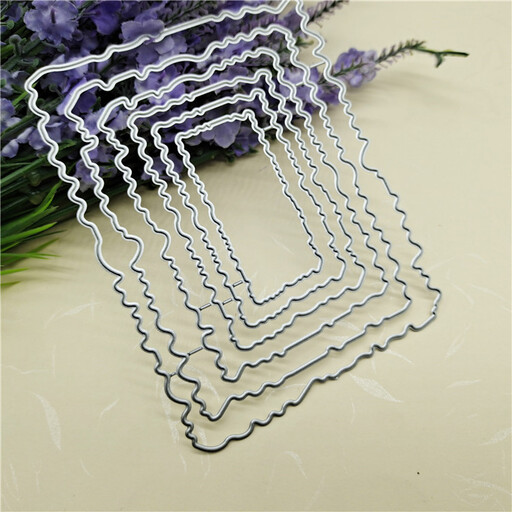
Why this product suits this profile: A rectangular frame is versatile for first cards, album pages and simple paper projects.
The clearly recognisable rectangular design makes it easier to assess its intended use than highly complex designs that are difficult to judge.
Single frame die; intended for decorative paper projects, scrapbooking and card making.

Why this product suits this profile: According to its description, this product is a four-piece carbon steel set for DIY cards and paper crafts.
The stated material and number of pieces provide a more specific basis for comparison than a purely promotional claim without technical details.
Four dies in the set; carbon steel according to the product description; intended for cutting and embossing paper cards.
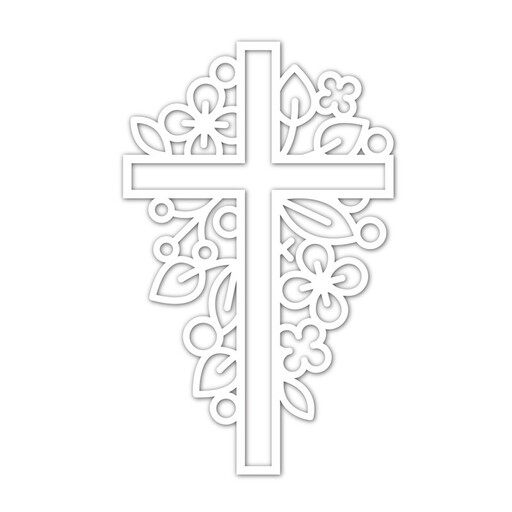
Why this product suits this profile: The design is intended for cards and albums marking religious occasions, such as personal greetings cards or keepsake pages.
The clearly defined cross design avoids buying a general-purpose set when you are specifically looking for religious dies.
Set for card making, scrapbooking and paper crafts; religious design according to the product name.
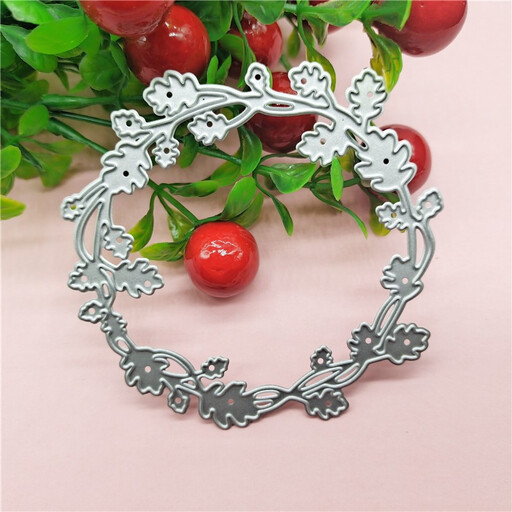
Why this product suits this profile: The wreath is designed for Christmas cards, photo albums and seasonal paper decorations.
The seasonal design makes its intended use clear and reduces the risk of buying a universal set that is unsuitable for the theme.
Wreath design for Christmas projects; intended for scrapbooking, cards and decorative paper crafts according to the product name.
For floral layouts, options include flower corner frames, flower designs and leaf shapes. A design featuring leaves and grass can be used as a background or as an addition to a larger flower. If you would like to create names, messages or numbers, you can find separate letter dies and number dies.
Before buying, do not consider product images in isolation. Compare the design with your paper format, check how many pieces are included and clarify whether the desired function covers cutting, embossing or both. If the material is not described in detail, do not assume that it is specifically made from carbon steel.
We have put together a complete, regularly updated list of products that fully meet these strict selection criteria and the safety regulations applicable in the EU.
This depends on the individual die and machine. Many metal dies are designed for manual die-cutting and embossing machines. The key factors are the permitted material thickness, the plates required and the sandwich combination recommended by the manufacturer. Check these details before buying.
There is no reliable one-size-fits-all answer. Their lifespan depends on the material, intricacy of the design, paper thickness, pressure and care. Dry storage, careful cleaning and the correct machine setting can help extend their usable life. If you notice initial signs of rust or deformation, stop using the die.
In addition to the purchase price, you may need to budget for paper, cutting mats, replacement plates and, where necessary, adapters. If you work on projects frequently, it is worth considering the required paper size and the number of designs included in each set. A versatile frame or a combined flower and leaf set can be used for a range of DIY cards and album pages, while seasonal designs tend to be limited to particular occasions.