
Lieferung heute & morgen

Qualitätsgarantie

Willkommens-Angebote freischalten: KOSTENLOSE Lieferung | Bis zu 80 % RABATT | Kostenlose 30-Tage-JoyPlus-Testphase
App herunterladen
Metal cutting dies make it easier to create greeting cards, photo albums, invitations and paper decorations. However, the sets available vary considerably in design size, contents, material specifications and machine compatibility. If you choose based only on the picture or a high piece count, you could end up with a set that’s of little use for your own craft projects.
A set with lots of individual pieces can look versatile at first glance. What matters, though, is whether the designs suit your projects. Small details, for example, work well as card accents, while larger frame dies cover more space on an album page. If you’re considering alphabet dies, check that the alphabet is complete and whether numbers are included.
The material is an important consideration, but it’s not the only one. The thickness and intricacy of the outlines, the finish of the cutting edge and whether the die is designed to cut, emboss or both are also important. Details such as “Carbon Steel” are useful, but they don’t replace checking product images, dimensions and reviews.
Paper dies are generally used with a separate die-cutting and embossing machine. Not every die is compatible with every machine, plate combination or material thickness. Before buying, check:
If this information isn’t available, compare the product description carefully before placing your order.
Choose a design to suit your project. Flower and leaf dies are ideal for floral cards, layouts and seasonal decorations. Frame dies add structure to an album page or create a visible border on an invitation. Alphabet and number dies are handy for personalised birthday cards.
Religious dies can be used for occasion cards or personal memory albums. With these designs, pay particular attention to the exact shape and dimensions to make sure the finished result suits your card size.
Not every set creates the same effect. Cutting dies cut paper along an outline. Embossing dies for cards, on the other hand, create a raised or recessed texture, depending on the machine and plate arrangement. Some products are sold as cutting and embossing dies. Check the product description and the instructions for your machine to see how to use them.
Metal dies with intricate outlines can bend or catch on one another if they aren’t stored properly. Keeping them flat and dry, and separating smaller dies, makes them easier to use. Labelled sleeves or storage pockets are helpful for sets with lots of individual pieces. Don’t apply excessive pressure when cutting, and use the plate combination recommended by the machine manufacturer.

Why this product suits this profile: This set includes four dies and is aimed at anyone who wants to try different paper card and DIY projects without investing in a large collection of designs straight away.
The product name clearly states the number of pieces and the material. You’ll still need to check the die sizes and machine compatibility before buying.
Four dies and the stated carbon steel construction provide a clearly defined starting point for card and paper crafts.
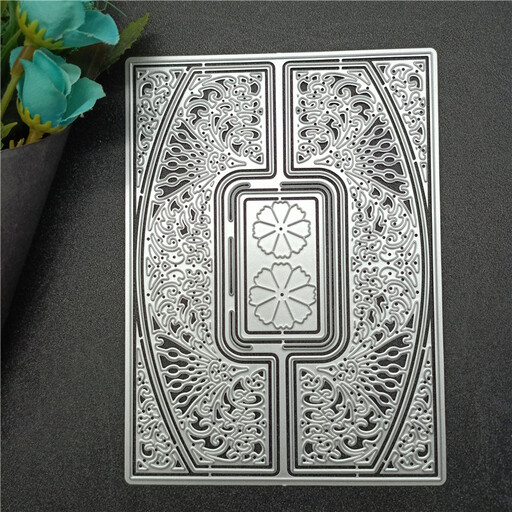
Why this product suits this profile: The floral frame design is made for structured card fronts, floral layouts and decorative album pages.
The clearly recognisable frame design makes it easy to match to a project. Before ordering, check the outer dimensions against your card size.
A floral frame combines a decorative area with a clear boundary to help structure your card design.

Why this product suits this profile: This set is ideal for personalised cards, album titles, names and labels, whether you make gifts or craft regularly.
The product name specifies 26 capital letters and 10 numbers, making it easier to see what’s included before you buy.
Letters and numbers in one set cover a range of labelling projects, provided the size and machine format are suitable.
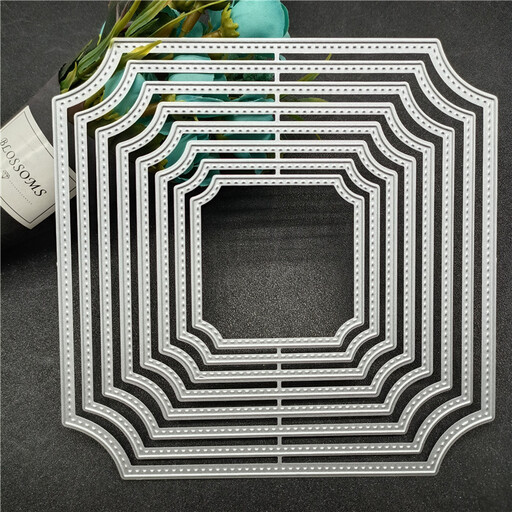
Why this product suits this profile: Eight irregular frame dies offer a range of outlines for wedding cards, scrapbook pages and decorative paper crafts.
The stated count of eight dies makes it clear what’s included. With irregular outlines, plan the placement on your paper before cutting.
A choice of frame designs gives you more options for decorative cards and album pages.
We’ve put together a complete, regularly updated list of products that meet these strict selection criteria and fully comply with the safety regulations in force in the EU.
It depends on the die and the machine you’re using. Thin paper is usually easier to cut, while card provides a sturdier base. Follow the machine manufacturer’s guidance and try new dies on a scrap piece first.
There’s no set lifespan that applies to every die. It depends on factors including the material, cutting edge design, paper thickness, pressure and storage. Keeping dies dry, cleaning them carefully and using the right plate combination can help avoid unnecessary wear.
In many cases, yes. Depending on your machine, you may need specialist embossing plates, silicone mats or a particular sandwich arrangement. Before buying, check that the set is compatible with your existing system and whether the product description says it’s for cutting, embossing or both.