
Lieferung heute & morgen

Qualitätsgarantie

Willkommens-Angebote freischalten: KOSTENLOSE Lieferung | Bis zu 80 % RABATT | Kostenlose 30-Tage-JoyPlus-Testphase
App herunterladen
Metal cutting dies for scrapbooking and card making let you create decorative paper motifs, frames and embossed textures using reusable templates. Choosing one may seem straightforward, but a few details can make all the difference when it comes to finding a die that suits your project and the equipment you already have.
Not every cutting template will automatically create a cut-out motif. Depending on the design, a product may be intended for cutting, embossing or both. Terms such as ‘embossing’, ‘stencil’ and ‘die cut’ are sometimes combined in product names, even though they can refer to different uses.
Before buying, check:
A motif can look larger in a product photo than it is in real life. For cards, gift tags and photo album decorations, the die’s overall dimensions are what matter. With frame dies, also check that the inner area is large enough for photos, text or extra embellishments.
Some products contain metal dies only, while other sets also include clear stamps or additional components. If you want to use stamps and dies together, read the product description carefully. The word ‘set’ doesn’t automatically guarantee a particular number of dies or accessories.
Metal cutting dies are usually passed between a base plate and a cutting plate using a manual die-cutting and embossing machine. The die must be compatible with your machine in terms of dimensions, plate size and material thickness. Very intricate designs may need an extra embossing shim or a suitable adaptor plate.
If you don’t own a die-cutting machine, you could look for craft punches with a built-in lever mechanism instead. These are usually limited to specific paper sizes and motif shapes.
Smaller floral dies, leaves and ornaments are handy for card making. Larger frames are better suited to scrapbook pages, album covers or the main feature of a card. Intricate cutting lines create detailed motifs, but may need a little more care when you’re removing them from thin paper.
A useful comparison should cover:
Metal dies should lie flat and have a clean finish. Proper storage also helps them last longer: moisture, loose storage and pressure on delicate edges can make them harder to use. After crafting, store the dies dry and away from any adhesive residue.
With embossing folders, check whether they create a visible embossed texture only or cut the material as well. A complete DIY paper-craft project may also require paper, adhesive, a die-cutting machine, an ink pad or an embossing mat.
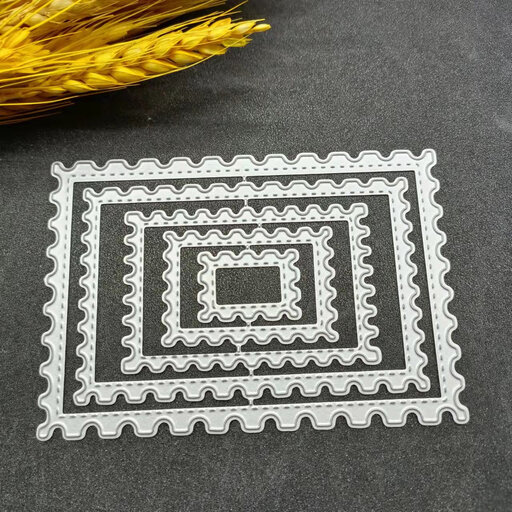
Why this product suits this profile: This frame design is made for cards, album pages and decorative paper panels. It’s a simple way to plan a clearly defined motif for your first scrapbooking projects.
The name identifies it as both an embossing stencil and a frame die. This makes it easier to check that its intended function is compatible with your machine before you buy.
Wavy-edged frame design; described as suitable for card and album decoration.
Why this product suits this profile: If you want to combine stamps and dies in one design, this product category brings together coordinated options for cards, scrapbook pages and photo album decoration.
The product name specifically mentions clear stamps and metal cutting dies. This reduces the risk of buying a die-only set when you want both techniques.
A combination of clear stamps and metal dies; designed for DIY cards and decorative paper crafts.

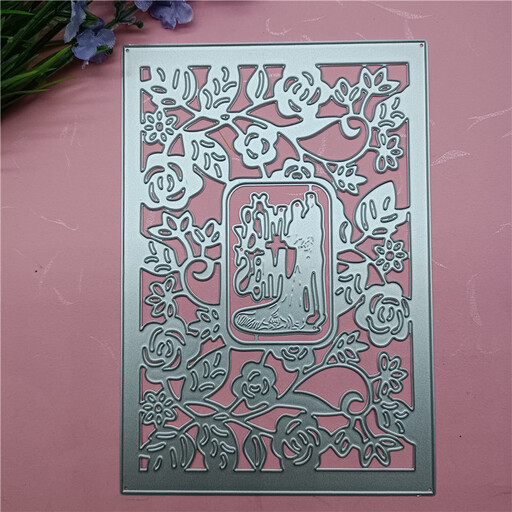
Why this product suits this profile: This design is suited to personalised cards, album pages and religious occasions. It’s a themed option for anyone specifically looking for Christian dies.
The distinctive cross motif makes its intended use clear before you buy. That means you don’t have to buy a general-purpose set if you have a particular theme in mind.
Religious cross motif; described in the product name as suitable for card making, scrapbooking and embossing.
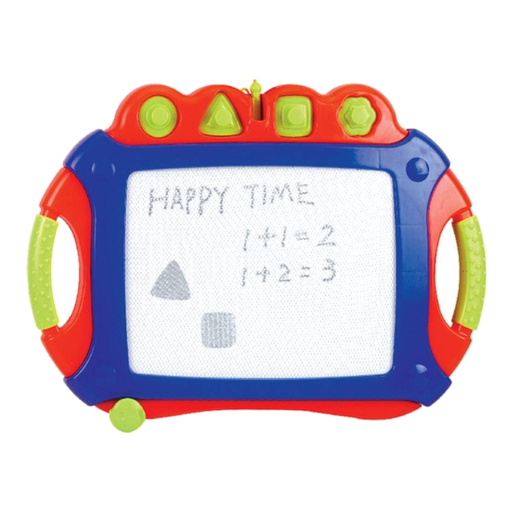
Why this product suits this profile: This magnetic drawing board for children aged 3 and over is designed for repeated drawing, writing and stamping at home or on the go.
According to the product description, the set includes a large board, four stamps, a pen and a smaller board with an extra pen. Check the recommended age and safety information before use.
Large board dimensions as stated in the product details: 45,9 × 33 × 4,7 cm; material listed as iron; no batteries required.
We’ve put together a complete, regularly updated list of products that meet these strict selection criteria and the safety regulations in force in the EU.
Before buying metal cutting dies or embossing stencils, it’s worth running through this quick checklist:
You’ll generally need a manual die-cutting and embossing machine with compatible plates. The key things to check are the plate size and the material thickness recommended by the manufacturer. Before ordering, compare the details for the machine and the die.
Their lifespan depends on factors such as the material, cutting pressure, paper thickness and storage. Keeping them flat and dry, and using them in line with the machine’s recommendations, can help maintain their performance. It isn’t possible to give a reliable general lifespan without specific details about the materials and how they’re used.
As well as the purchase price, you may need to budget for paper, card, adhesive, stamping ink and, if required, a die-cutting machine. Embossing stencils and metal dies themselves don’t normally need batteries. For children’s products such as a magnetic drawing board, the reusable surface can reduce the ongoing need for paper and colouring materials when used as intended.