
Lieferung heute & morgen

Qualitätsgarantie

Willkommens-Angebote freischalten: KOSTENLOSE Lieferung | Bis zu 80 % RABATT | Kostenlose 30-Tage-JoyPlus-Testphase
App herunterladen
For creative paper crafting enthusiasts, Metal Cutting Dies, are indispensable tools. They enable precise and repeatable cuts for DIY card making, scrapbooking, or decorating gifts. However, the market is vast, and not every die delivers the desired result. Before making a purchase, it's helpful to understand common pitfalls and know which quality features truly matter.
The variety of designs is tempting, but some products can lead to frustration in practice. Pay attention to these three points to avoid a bad purchase:
To avoid these problems, you should check three essential parameters before buying. These will help you objectively evaluate the functionality and longevity of a cutting die.
The material is crucial for the sharpness and durability of the cutting edge. High-quality cutting dies are typically made from carbon steel. This material is robust and retains its sharpness even after many uses, ensuring consistently clean and precise cuts. A well-made die has a smooth surface and a clearly defined, sharp cutting line. This is especially important for scrapbooking dies with complex patterns.
Most cutting dies available on the market are "wafer-thin dies"—very thin metal shapes. They are designed for use with most common manual die-cutting and embossing machines. Nevertheless, it is advisable to check the product description for compatibility notes. The thickness of the die, combined with the correct plate combination ("sandwich") for your machine, determines the success of the cutting process. Some projects also require the use of embossing folders, which shape the paper instead of cutting it and often have different requirements for the machine setup.
Don't rely solely on the product photo. Always check the dimensions in centimetres or millimetres provided in the description. This ensures that the die-cut element is the right size for your project, whether it's a small embellishment or a central feature for a card. For very intricate designs, such as those often used for wedding-themed cutting dies, high material quality is all the more important to ensure every detail is cut cleanly.
Based on these criteria, we have put together a few products for different applications and user profiles.
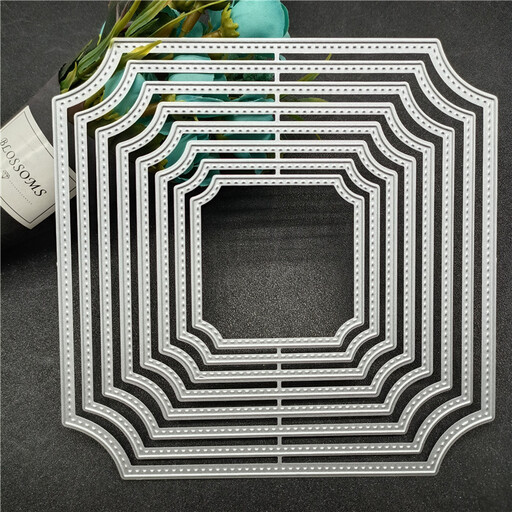
Why it's a great fit: This set offers a selection of frame shapes that provide a solid foundation for crafting with dies. It's ideal for those starting out with DIY card making who want a versatile starter kit without committing to a single design.
The standardised frame shapes are compatible with most common die-cutting machines, minimising the risk of incompatibility. The clean, geometric designs are less prone to detail loss than highly complex motifs.
The set includes 8 different dies, offering a wide range of applications for cards, tags, and scrapbook layouts.
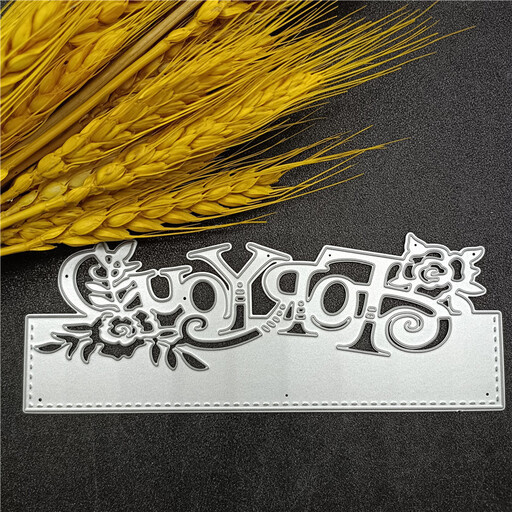
Why it's a great fit: This die is designed for experienced crafters creating elaborate decorations for special occasions. It is perfectly suited as a die for wedding cards or for adding a delicate border to elegant invitations and cards.
The metal construction is designed to ensure a clean cut even on the fine details of the lace pattern. This counteracts the problem of detail loss in complex designs, provided the die-cutting machine is correctly calibrated.
Creates a highly detailed, decorative edge that would be difficult to cut by hand. Ideal for adding a refined finish to paper projects.
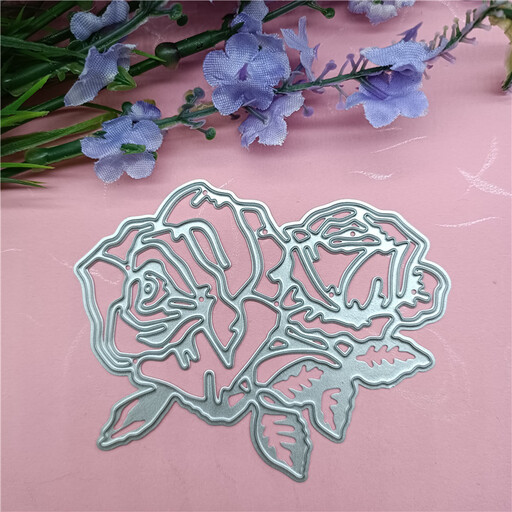
Why it's a great fit: This die is a great choice for crafters who focus on floral designs. The classic rose motif is versatile and works well as a cutting die for flowers in scrapbooking albums, on greeting cards, or as gift tags.
As a single, clearly defined motif, the focus is on the clean cutting quality of the rose shape. The design is complex enough to be appealing but not so overloaded that details are easily lost.
The timeless rose motif is suitable for a wide variety of occasions, from birthdays and anniversaries to sympathy cards.
We have compiled a comprehensive, up-to-date list of products that meet the selection criteria mentioned.
Yes, a die-cutting and embossing machine is required to use metal cutting dies. These machines apply the necessary pressure to press the die's cutting edge through the paper. Most thin metal dies are compatible with common manual crank machines. However, it is always recommended to check the manufacturer's compatibility notes.
The main difference lies in their function. Cutting dies are designed to precisely cut shapes and motifs from materials like paper, cardstock, or felt. Embossing folders, on the other hand, do not cut the material but instead press a three-dimensional pattern into it. They create a raised or recessed texture on the paper's surface.
After cutting, small paper scraps may get stuck in the die. These can be best removed with a small piercing tool or a stiff brush. For storage, magnetic mats or sleeves are ideal. They keep the dies flat and organised, prevent them from bending, and make it easy to quickly find the desired design.