
Lieferung heute & morgen

Qualitätsgarantie

Willkommens-Angebote freischalten: KOSTENLOSE Lieferung | Bis zu 80 % RABATT | Kostenlose 30-Tage-JoyPlus-Testphase
App herunterladen
Metal cutting dies for scrapbooking let you create repeatable designs for photo albums, greetings cards and paper decorations. But the design isn’t the only thing that matters. Many disappointing purchases happen because product images show only the finished creation, while key details about compatibility, dimensions and intended use are missing.
This guide helps scrapbooking fans, card makers and users of die-cutting and embossing machines compare metal cutting dies with confidence.
Not every embossing stencil is designed to cut cleanly through paper. A die may be intended for cutting, embossing or both. Product listings don’t always use these terms consistently, so check whether the description specifically mentions cutting dies, embossing, die cuts or a combination.
To create a raised design without cutting all the way through, you’ll usually need an embossing stencil or embossing accessory. For cut-out flowers, frames or leaves, choose metal dies with a clearly defined cutting edge.
A die can look small or large in a product image. What matters is its actual size and the maximum working width of your craft die-cutting machine. The thickness of your paper and the plate sandwich you use can also affect the result.
Before you buy, check:
Very fine cutting edges can be trickier to handle with smaller paper sizes. With intricate designs, removing the paper from the die can also take longer. For projects you make often, practical things to consider include clear outlines, good contrast between the design and the background, and a suitable design size.
The products featured here are described as metal cutting dies or metal stencils in their respective product names. Even so, always check the material details, dimensions and what’s included on the product page. The word ‘metal’ alone doesn’t tell you the exact alloy or thickness.
Look for a clearly defined cutting edge, and check whether the die is intended for paper, card or other craft materials. Only use materials that are compatible with both your machine and the die.
Smaller card-making dies are ideal for classic greetings cards, while frame dies can add structure to larger areas. Flower dies, leaf designs and a butterfly die can be used for seasonal cards, album pages or decorative layers.
Before you buy, think about whether you:
Keep metal cutting dies dry and neatly organised. Small individual pieces can easily go missing in open boxes. A labelled folder or magnetic storage sheet makes it easier to sort dies by design. After crafting, remove any paper fibres so the cutting edges remain clear and ready to use next time.
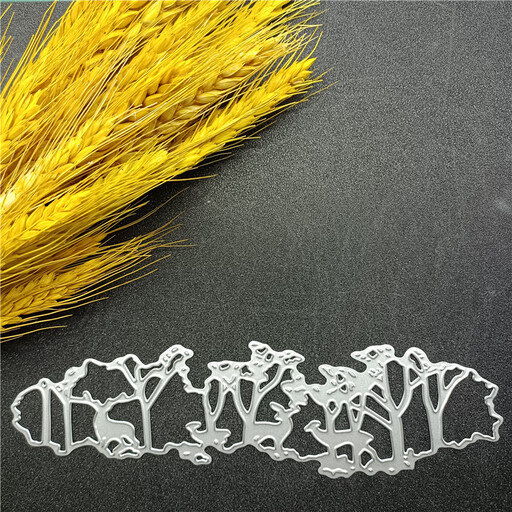
Why it suits this user: The product name mentions cutting dies, stencils and an embossing tool for cards, scrapbooking and DIY albums. It’s a good option for beginners who want to try a range of paper projects.
The combined product name makes the intended uses clearer than a description that only mentions the design. Be sure to check the dimensions and machine compatibility before buying.
A metal die listed for card making, scrapbooking and paper albums.
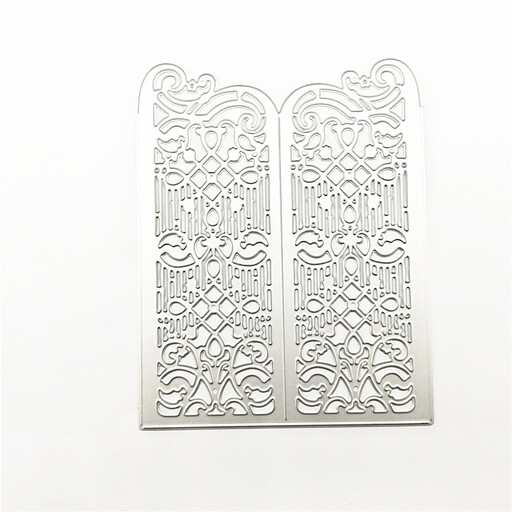
Why it suits this user: The product name covers both cutting and embossing, and mentions cards, journalling and photo albums. It’s aimed at crafters who want to use different paper techniques in the same project.
Its uses aren’t limited to a single card design. To get the right result, check the plate sandwich, paper thickness and format.
Described as suitable for cutting and embossing, as well as scrapbooking, cards and photo albums.
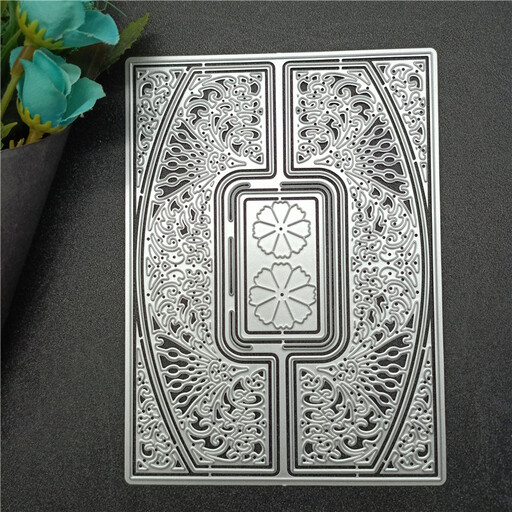
Why it suits this user: The floral frame design is intended for card making, embossing and use with scrapbooking machines. It’s a good choice for repeating layouts with a floral frame or decorative border.
The clearly named floral frame makes it easier to choose a die for a specific project. Before buying, check that the frame size will suit your card or album page.
A floral frame metal die listed for use with embossing and scrapbooking machines.
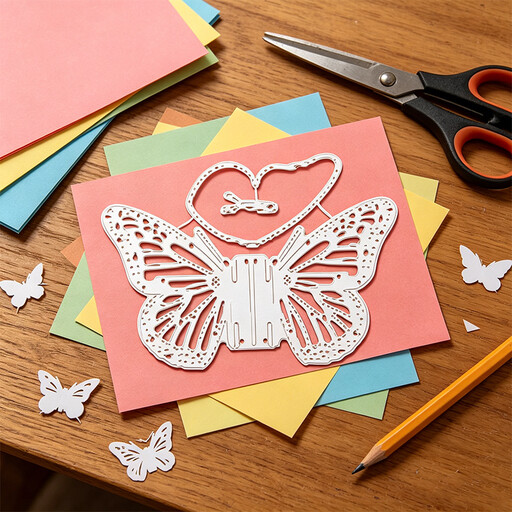
Why it suits this user: This butterfly die is designed for paper cards, albums and decorations. It’s a good fit if you’re looking for one distinctive design rather than a frame.
The design is clearly named in the product title. That makes it easier to choose a die to suit your card or album theme, rather than relying on an unclear preview image.
A clearly specified butterfly design for cards, scrapbooking, embossing and album decoration.
For a classic card design, flower, leaf or butterfly dies are a natural choice. Frame dies work well for photo albums and larger layouts. If you often work with different types of paper, check your machine’s guidance too, and try the die on a scrap piece first.
You’ll find more options, including paper cutting dies, embossing stencils and craft punches, in the Paper Die-Cutting Tools category.
We’ve put together a complete, regularly updated list of products that meet these strict selection criteria and fully comply with the safety regulations in force in the EU.
Metal dies are suitable when their product descriptions specify that they’re intended for paper, cards, albums or scrapbooking. It’s also important to check their dimensions and compatibility with your die-cutting machine.
No. Cutting and embossing are different uses. Check whether the die is specifically described as an embossing stencil, embossing folder or a combination cutting and embossing die.
Their lifespan depends on factors including the material, cutting edge, type of paper, pressure setting and storage. There’s no reliable way to give a general estimate. Storing dies in a dry place, using the right plate sandwich and following your machine’s instructions can help prevent unnecessary wear.