
Lieferung heute & morgen

Qualitätsgarantie

Willkommens-Angebote freischalten: KOSTENLOSE Lieferung | Bis zu 80 % RABATT | Kostenlose 30-Tage-JoyPlus-Testphase
App herunterladen
Personalised scrapbook pages, greetings cards and photo albums are often created using a die-cutting or embossing machine. Metal cutting dies for scrapbooking can provide recurring motifs without having to cut out every element by hand. However, the design is not the only important factor. Fit, material specifications and intended use determine whether a die is genuinely suitable for everyday projects.
Not every metal cutting die is compatible with every die-cutting machine. Differences may relate to the format, the required sandwich combination and the maximum paper width. Before buying, check the specifications provided by your machine’s manufacturer as well as the dimensions of the die.
Some products are described as embossing templates, cutting templates or cutting dies. However, these terms do not always refer to the same function. A metal die with a cutting edge is designed for cutting shapes out; for simple embossing, you may also need a suitable embossing mat or a different plate combination. The product description should therefore clearly state whether the die is intended for cutting, embossing or both.
Intricate patterns look clear in product images, but they cannot be processed equally well with every type of paper. Very thin paper may tear, while thick or highly textured materials may not be cut through completely. For cards, albums and packaging, it is sensible to check the recommended material thickness and suitability for the card stock you intend to use.
Many scrapbooking dies list carbon steel as their material. This alone does not provide a complete indication of cutting performance or durability. Also look for clearly described cutting edges, the edge profile and the die’s shape stability. For the products selected here, check the specific material and size details directly on the relevant product page.
Before buying, compare:
The design size is particularly important when choosing dies for card making and dies for greetings cards. A frame that works well on a square card may take up too much space on a narrow folded card.
Frequent crafters benefit from designs that can be used across several projects. Frame dies, leaves, flowers and numbers work well for cards, scrapbook pages and photo albums. Festive designs, on the other hand, are generally better suited to seasonal projects. Consider whether a die matches your actual crafting style or is likely to remain unused after just a few projects.
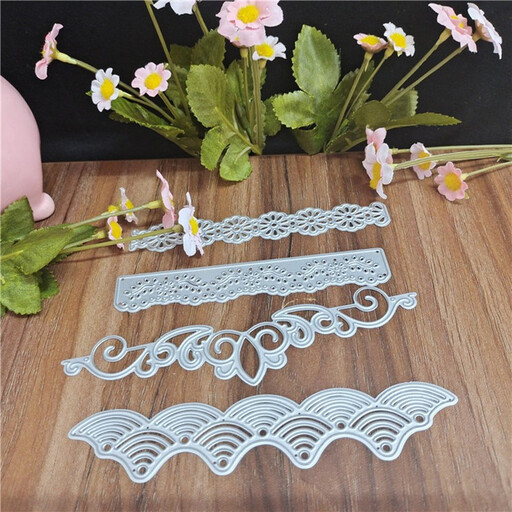
Why this product suits this profile: The set contains four dies, making it a straightforward starting point for DIY paper crafts, card projects and decorations. Check the dimensions and machine compatibility before buying.
The product name specifies four individual metal dies and carbon steel. This makes the contents clearer than a description that does not state whether it is a set.
Four dies in one set; according to the product name, intended for card making and paper crafts.
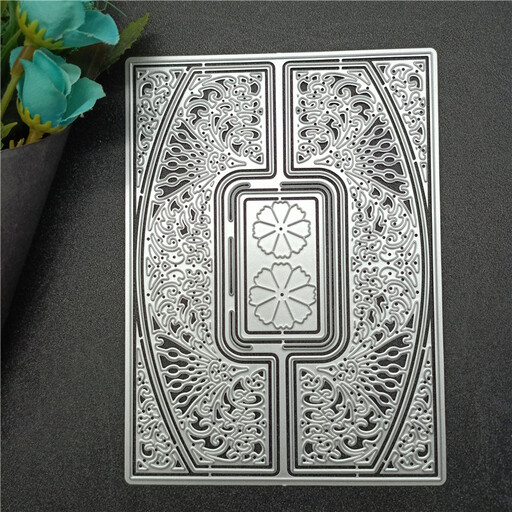
Why this product suits this profile: The floral frame design is ideal for crafters who prefer structured card designs and decorative borders.
The name explicitly refers to a framework or frame design. This makes it easier to check whether the expected use is suitable for your card format before buying.
Floral frame design; according to the product name, supplied as a kit for card making and scrapbooking machines.
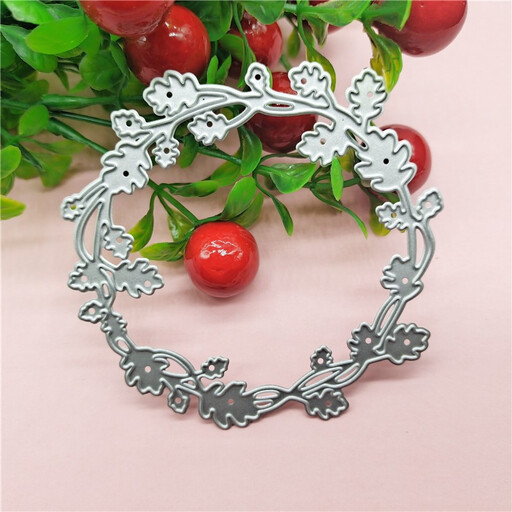
Why this product suits this profile: A wreath design is a great choice for recurring seasonal cards, photo albums and festive paper decorations.
The design is identified as a Christmas die. This allows buyers to decide in advance whether a seasonal design suits the scope of their planned craft projects.
Wreath design for Christmas and festive themes; according to the product name, intended for scrapbooking and card making.
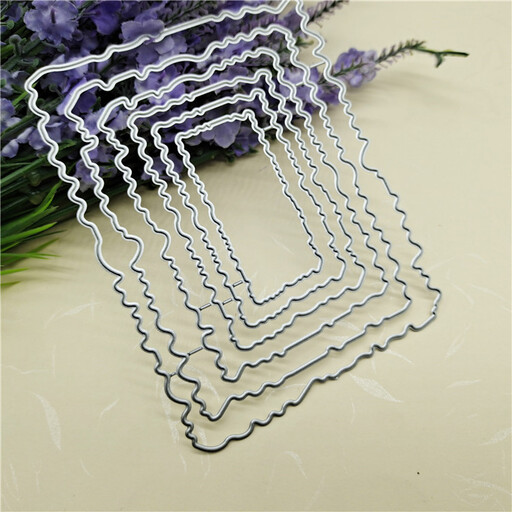
Why this product suits this profile: Rectangular frames can be used in a wide range of layouts, including cards, album pages, labels and gift packaging.
The rectangular format is clearly stated. This enables buyers to compare the die precisely with the dimensions of their existing cards and albums.
Rectangular frame design; according to the product name, intended for scrapbooking and card making.
After die-cutting, carefully remove any paper scraps without bending the metal die. Store it somewhere dry and dust-free to prevent moisture or adhesive residue from affecting its condition. Only use materials and plate combinations approved for your machine. With frequent use, it is worth checking the dies after each project for bent edges or paper scraps that have become stuck.
For versatile craft dies for albums, neutral frames, numbers and floral elements are ideal. Flower dies and leaves can be used as individual accents or as a recurring decorative pattern. For special occasions, wedding, birthday and Christmas and festive designs are more practical if you regularly create cards for these events.
We have put together a complete, regularly updated list of products that fully meet these strict selection criteria and the safety regulations applicable in the EU.
A die-cutting or embossing machine that works with flat metal dies and has a plate width suitable for the design is appropriate. The specifications from the machine and die manufacturers are the key reference points. Also check whether an additional embossing mat is required for embossing.
There is no single answer for their service life. It depends on the material, cutting-edge geometry, paper thickness, machine pressure and care. When used correctly, metal dies can be used repeatedly. Hard foreign materials or an unsuitable plate combination can damage the edges.
The die itself does not normally involve regular running costs. However, you should budget for paper, card, adhesives and, where necessary, replacement or embossing mats. With frequent use, the machine may also need cleaning and occasional replacement of worn components.