
Lieferung heute & morgen

Qualitätsgarantie

Willkommens-Angebote freischalten: KOSTENLOSE Lieferung | Bis zu 80 % RABATT | Kostenlose 30-Tage-JoyPlus-Testphase
App herunterladen
Metal cutting dies for scrapbooking are ideal for personalised cards, decorated photo albums, journalling pages and other paper crafts. Choosing one may seem straightforward at first: pick a design, place your order and get started. In practice, however, unclear product details, incompatible formats or incorrect expectations about how a product works can often lead to unnecessary expense.
This buying guide from the Joybuy Product Recommendation Officer explains what to look for when choosing metal cutting dies and which models may suit different crafting needs.
Many product names include both “Embossing” and “Cutting Dies”. This does not automatically mean that every set fully covers both functions. A metal cutting die is primarily designed for cutting paper. To create a clearly defined raised pattern, you will usually also need a suitable embossing mat or a separate embossing set.
Before buying, check whether the product consists of cutting dies only, a combination set or simply an embossing stencil. The product “Blossoms in Bloom” is explicitly described as “Only Cutting Dies”.
Flower dies may be suitable for greeting cards, album pages and floral collages, while frame dies are more commonly used for photo cut-outs and borders. A common buying mistake is choosing based solely on the design rather than on how you intend to use it.
Before placing your order, consider the following:
Not every die is equally suitable for every die-cutting machine. Important factors include the format, the machine’s construction and the permitted material thickness. Before buying, check the product details for dimensions, the contents of the package and the intended paper types.
If specific dimensions are not provided, it is advisable to contact the seller for clarification. The description “metal” alone says nothing about the exact material thickness, cutting precision or service life.
For dies used in card making, compact designs are often more practical than very large ones. For photo albums, on the other hand, larger frames, borders or floral backgrounds may be useful. Measure the available space in your project and compare it with the stated product dimensions.
Frame dies and border dies help create clearly structured layouts. Individual designs such as flowers, leaves or butterflies are better suited to layered decorations. For seasonal cards, snowflake or other themed designs can provide a carefully chosen finishing touch.
Check whether the offer includes metal dies only, a set of stamps and dies, or additional accessories. Terms such as “Clear Stamps”, “Embossing Tool” or “Stencil” indicate different product components.
The following distinction is particularly important:
Very thin paper may tear during die cutting, while heavier materials may not be suitable for every machine. Use the appropriate cutting plates for your project and work on a flat surface. With intricate designs, a tool for removing small scraps of paper can be helpful.
For projects you return to regularly, choose a design that can be combined with different colours, paper weights and layering techniques. This allows you to use your existing DIY craft supplies in more versatile ways.
The following recommendations are based on the stated design and intended use. Always check the specific dimensions, material thickness and machine compatibility on the product page.
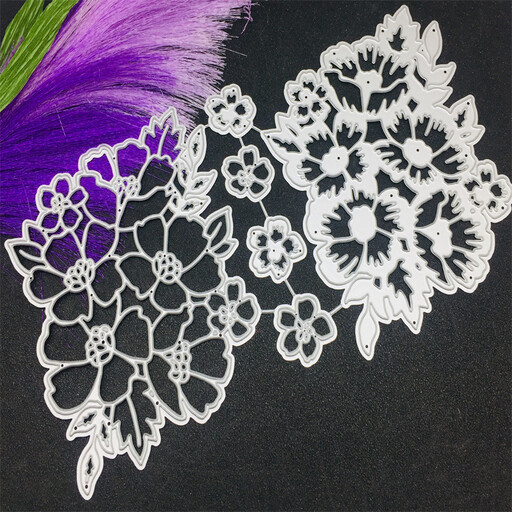
Why this product suits this profile: The floral design is suitable for first card-making and album projects. According to the product name, it consists of “Only Cutting Dies”, making the package contents easier to understand.
Identifying it as a cutting die only reduces the risk of mistakenly expecting a complete stamp and embossing set. Accessories and dimensions should be checked separately.
Floral layering design; intended for scrapbooking, paper cards and photo album decorations.
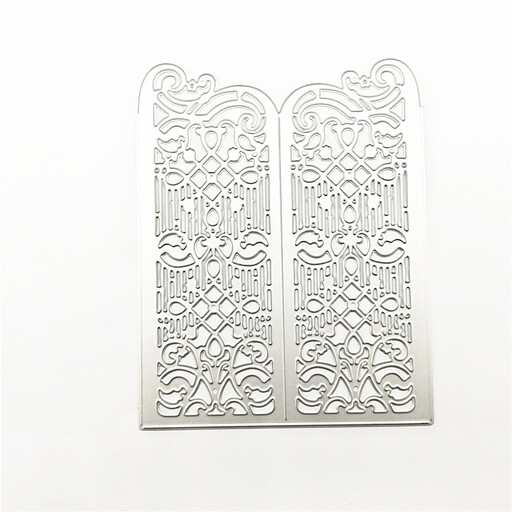
Why this product suits this profile: The description covers several uses, including cards, journalling and photo albums. This is practical for anyone looking for a versatile set.
Before buying, you can check specifically whether both cutting and embossing are actually included. The product name alone is not a substitute for checking the full details.
Stated uses include scrapbooking, card design, journalling and photo albums.
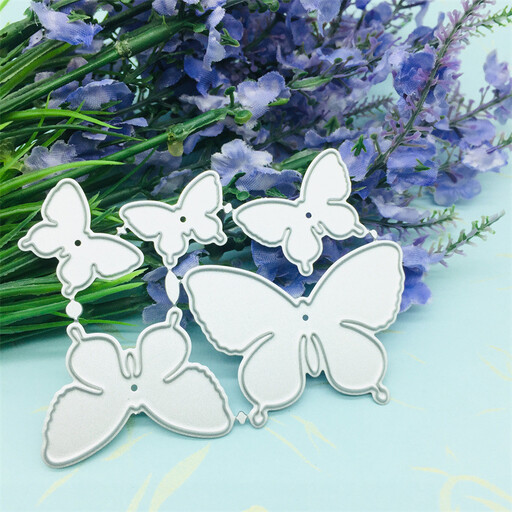
Why this product suits this profile: The set of five butterfly designs offers several options for recurring card-making, album and paper decoration projects.
Multiple designs mean you are not limited to just one shape. Before use, you should still check the dimensions, paper thickness and machine compatibility.
Five stated butterfly designs; suitable for cards, scrapbook pages and photo album decorations.
We have put together a complete, regularly updated list of products that fully meet these strict selection criteria and the safety regulations applicable in the EU.
You will generally need a compatible manual or electric die-cutting machine with suitable cutting plates. Check the information provided by the machine and die manufacturer. The permitted format and material thickness are key factors. If you are unsure, start with a small test cut using standard crafting card.
Their service life depends on factors including the construction, the paper used, the machine’s pressure and how well they are maintained. Intricate designs should not be overloaded with unsuitable materials. After use, remove any paper scraps carefully and store the dies in a dry place. Without specific information from the manufacturer, it is not possible to give a reliable general service-life estimate.
This depends on the individual model and the die-cutting machine. Not every die will cut thick card, foil or speciality paper reliably. Check the product description and the recommended materials. For layered cards, it is usually best to cut several thin layers individually, provided the instructions allow this.