
Lieferung heute & morgen

Qualitätsgarantie

Willkommens-Angebote freischalten: KOSTENLOSE Lieferung | Bis zu 80 % RABATT | Kostenlose 30-Tage-JoyPlus-Testphase
App herunterladen
Metal cutting dies for scrapbooking are ideal for decorative paper projects, photo albums, invitations and cards. The choice may seem straightforward at first: select a design, place your order and run it through the die-cutting machine. In practice, however, unclear product information, incompatible formats and sets that are difficult to store often lead to disappointing purchases.
This buying guide explains what crafters in the UK should look out for before choosing cutting dies for card making, photo albums or DIY craft projects.
Not every metal cutting die is compatible with every die-cutting machine. The key factors are the die format, the maximum material thickness and the plate arrangement specified by the manufacturer. A small die can be used in many popular manual machines, while large background designs require more space and even pressure.
If machine compatibility is not stated, do not buy a die based on the design alone. Check the following in advance:
Terms such as embossing stencils, embossing templates and metal die cuts are sometimes used interchangeably by retailers. A cutting die creates a cut-out. An embossing die, on the other hand, changes the surface without necessarily cutting all the way through the material. Some sets combine both functions, while others do not.
For card making and paper crafts, you should therefore compare the product images with the specific description. With particularly delicate floral cutting dies, it is also important to check whether small inner sections come away as separate pieces of paper or remain connected within the design.
A set containing numerous dies is not automatically good value. What matters is whether the included designs suit your planned projects. If you mainly create family albums, you may need frame dies and alphabet dies. For seasonal greetings cards, Christmas designs or floral patterns may be more suitable.
Pay attention to storage, too. Small metal dies can easily get lost in open boxes. Organiser compartments, labelled envelopes or magnetic sheets make them easier to find later.
Metal dies are often made from steel or carbon steel. The product information should clearly state the material. A sturdy die lies flat on the cutting plate and does not warp easily during normal use. Very fine contours require careful alignment to prevent the paper from tearing unnecessarily.
For example, the WORKPRO set with 18-mm snap-off blades specifies SK5 carbon steel with a stated blade thickness of 0.5 mm. This is not a die-cutting set, but it can complement your scrapbooking supplies when cutting paper, card, foam board or packaging.
The size should suit your project. A small die is suitable for tags, labels or card embellishments. Large frame or background dies require enough paper and a compatible die-cutting machine.
With intricate patterns, the inner spaces are crucial: the more narrow bridges and small cut-outs there are, the more important even pressure, suitable paper and careful removal become. For beginners, clear frames, simple flowers or individual letters are generally easier to handle than highly detailed full-surface designs.
Not every die cuts every material in the same way. Thin paper behaves differently from textured photo card. For an even result, it is advisable to test the die with a scrap piece first. This will help you determine whether additional passes, an embossing mat or a thinner layer of material is required.
When using a die-cutting machine:
The following recommendations categorise the available products according to their intended use and the product features stated.
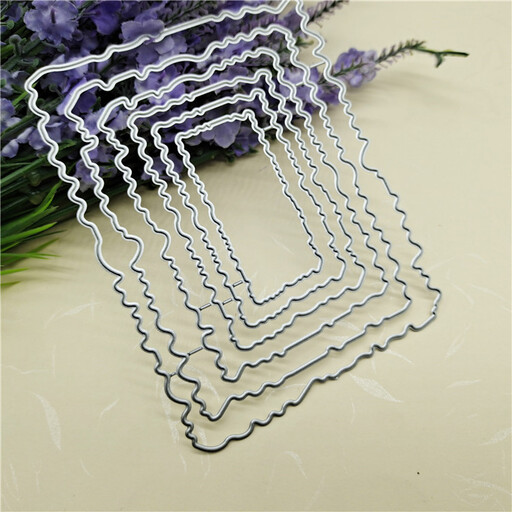
Why this product suits this profile: The rectangular design is versatile enough for simple card layouts, photo album pages and decorative paper surfaces.
The clearly defined single design reduces the risk of paying for multiple dies that go unused.
Rectangular frame design; intended for decorative paper crafts and card making.
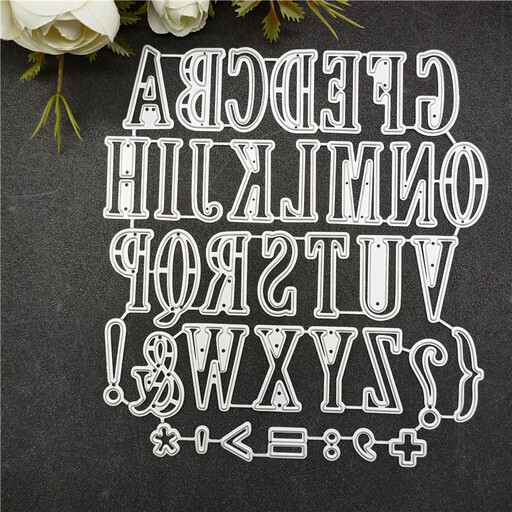
Why this product suits this profile: A complete set of 26 capital letters supports personalised names, headings and short messages in albums or cards.
The number of letters included is clearly stated, making it easier to check the contents of the set.
26 capital letters; intended for card making, scrapbooking and decorative lettering.
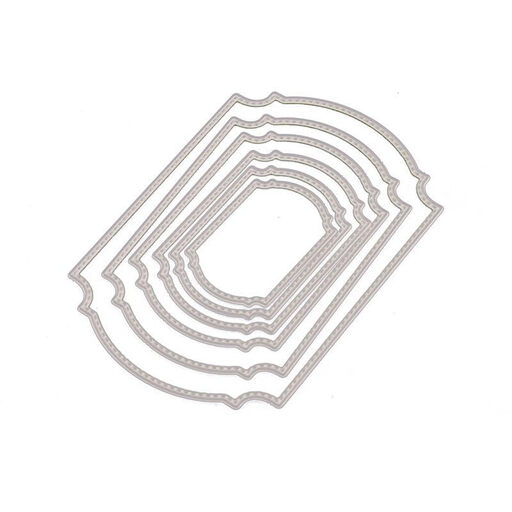
Why this product suits this profile: Multiple sizes and irregular rectangular shapes offer options for card borders, labels and album pages.
The range of sizes reduces the need to buy a separate die for every card format.
Six dies; stitched or textured frame effect according to the product name.
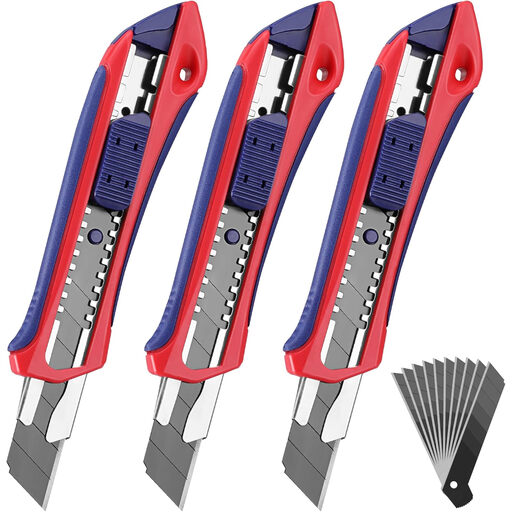
Why this product suits this profile: For crafters who cut paper, card, packaging or foam board as well as using dies, this set complements their existing die-cutting machine.
The set includes three cutters and ten replacement blades; the snap-off system is designed to make blade replacement straightforward.
18-mm SK5 blades, ABS and TPR handle, snap-off blade and blade lock according to the product description.
Before buying, you should also check whether the offer includes only the metal die or comes with additional embossing mats, storage pouches and accessories. Product images showing paper examples illustrate the design, but do not automatically represent the complete contents of the package.
We have put together a complete, regularly updated list of products that fully meet these strict selection criteria and the safety regulations applicable in the EU.
As a rule, you need a manual or electric die-cutting machine designed for thin metal dies. Check the die format, the permitted material thickness and the specified plate arrangement. If you are unsure, follow the machine’s instructions.
Their lifespan depends on the material, design detail, paper thickness, pressure and storage conditions. Thin, intricate dies can bend if too much pressure is applied. Use suitable materials, avoid forcing the handle and store the dies dry and flat. A blunt-looking impression can also be caused by an incorrect plate arrangement or paper that is too thick.
The metal die itself does not involve ongoing costs. However, you may need to budget for paper, photo card, embossing mats, replacement plates, storage and, where applicable, a die-cutting machine. If you frequently cut card or packaging, suitable replacement blades, such as those for a cutter knife set, should also be taken into account.