
Lieferung heute & morgen

Qualitätsgarantie

Willkommens-Angebote freischalten: KOSTENLOSE Lieferung | Bis zu 80 % RABATT | Kostenlose 30-Tage-JoyPlus-Testphase
App herunterladen
Flowers, frames, letters and seasonal motifs can be cut precisely from paper, card and thin craft materials using metal cutting dies for scrapbooking. However, not every cutting die is compatible with every die-cutting machine or suitable for every project. Unclear size specifications, missing compatibility information and highly intricate designs can all result in a die that sees very little use after purchase.
This guide explains which features matter before you buy, which common pitfalls to look out for and which motifs suit different crafting styles.
Metal dies are used in a range of manual and electric die-cutting and embossing machines. Important factors include:
If this information is missing, the die may be too large for the working area or may not sit evenly during embossing. Before buying, compare your machine's maximum cutting area with the product dimensions.
A flower die, for example, may be suitable for cards, photo albums and gift decorations, but it is not automatically suitable for lettering or larger background areas. Embossing dies and cutting-only dies also serve different purposes:
For intricate motifs, you should also check whether small internal sections can be removed from the paper easily. With very fine details, thin paper or an additional backing sheet may be helpful.
Cut-out elements often need to be glued, labelled or layered. Without the right accessories, visible adhesive residue or shifting paper layers can quickly become a problem. A glue roller with double-sided adhesive tape can be more practical than liquid glue for flat paper decorations, particularly when working on photo albums and cards.
For a greetings card, smaller flower, leaf or butterfly dies are often a good choice. For a photo album, frame or background motifs may be more suitable. If you regularly create different types of project, you can organise your selection by motif group:
Always assess the actual motif size using the product images and, where available, the stated dimensions.
Metal cutting dies for paper are generally intended for paper and card. Whether they are also suitable for thin film, craft foam or other craft materials depends on the die, machine and material thickness. For card making and scrapbooking, it is advisable to carry out a test cut using a piece of scrap paper first.
For multi-layered projects, each layer of paper should be processed separately or in accordance with the machine instructions. Excessive pressure can put strain on both the die and the cutting plates.
A clean cut depends on more than just the metal die. Sharp cutting edges, even pressure distribution and the right choice of paper are also important. After use, remove paper fibres from small openings and store the dies in a dry place. Moisture can cause metal accessories to corrode over time.
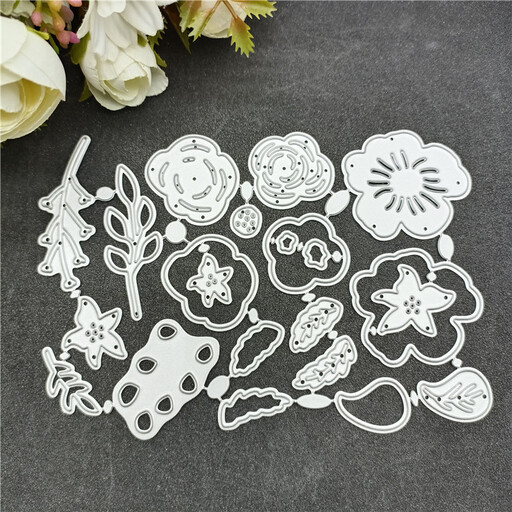
Why this product suits this crafting style: The flower and leaf motif is designed for typical beginner projects such as cards, paper decorations and photo albums.
The clearly recognisable motif group makes it easier to choose and reduces the risk of buying a die that can only be used seasonally.
Flower and leaf design; according to the product name, also specified as an embossing die for paper crafts.
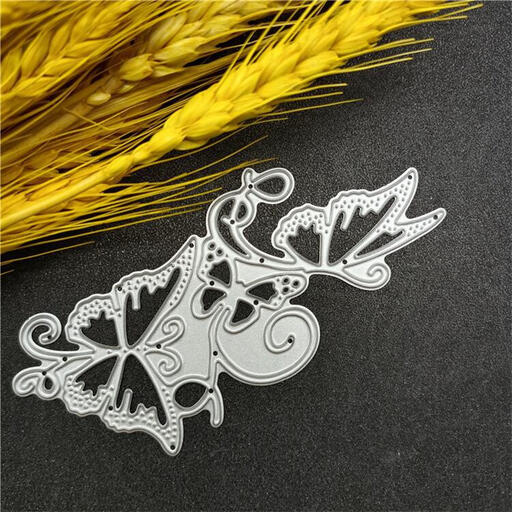
Why this product suits this crafting style: Frame and background motifs are ideal for structured layouts featuring several layers of paper or a central area for a photograph.
Its stated purpose as a frame and background makes its intended use clearer than a motif with no size or function details.
3D background and frame motif; specified for scrapbooking, card making and paper decorations.
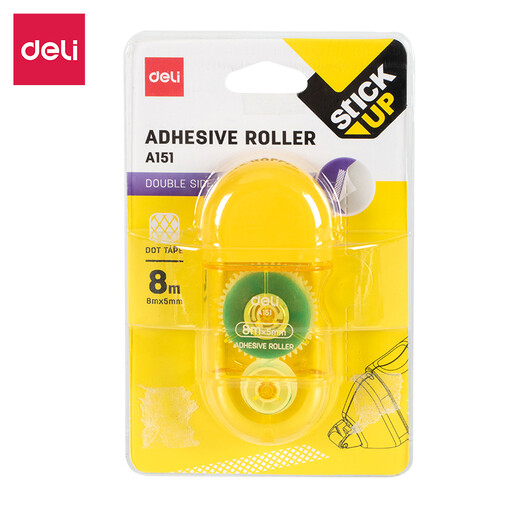
Why this product suits this crafting style: Four glue rollers with double-sided adhesive tape are practical for anyone who regularly attaches cards, journal pages or photo album decorations.
The adhesive is applied with a roller rather than as a liquid. For flat paper layers, this can help avoid visible moisture and waiting times.
Four pieces per set; according to the product description, each one contains 8 m of double-sided adhesive tape.
For harmonious layouts, it is advisable to choose a main motif first, followed by complementary shapes. A frame can structure a photograph, while flower or leaf motifs fill empty areas. Alphabet dies are ideal for names and short headings, but their size and lettering style should match the album or card.
For seasonal projects, Christmas or festive motifs can be added selectively. If you create not only cards but also DIY photo album decorations, gift packaging and journal pages, it is better to choose several different motif types rather than lots of similar shapes.
Before gluing everything in place, arrange the cut-out elements loosely. This allows you to check the spacing, colour contrasts and position of the photograph. When working with delicate images, use the glue roller only on the back of the decoration and never directly on the photograph.
We have put together a complete, regularly updated list of products that fully meet these strict selection criteria and the safety regulations applicable in the EU.
For beginners, clearly recognisable motifs such as flowers, leaves, simple frames or individual animals are a good choice. They can be used for cards, photo albums and paper decorations. Before buying, check the motif size and compatibility with your machine.
Some products are explicitly described as an embossing stencil, embossing die or combined cutting and embossing die. A cutting-only die does not automatically create a relief effect, however. For this reason, always check the product description carefully to see whether it is intended for cutting, embossing or both.
Their service life depends on the material, paper thickness, pressure and care. With the recommended machine combination, dry storage and regular removal of paper scraps, metal dies can be used for many craft projects. Damaged or bent dies should not continue to be used with high pressure.