
Lieferung heute & morgen

Qualitätsgarantie

Willkommens-Angebote freischalten: KOSTENLOSE Lieferung | Bis zu 80 % RABATT | Kostenlose 30-Tage-JoyPlus-Testphase
App herunterladen
Metal cutting dies are useful for a wide range of scrapbooking projects. You can cut out designs for greetings cards, create backgrounds or prepare decorative elements for a DIY photo album. Choosing the right ones may seem straightforward at first, but product images and terms such as “universal” or “embossing” don’t always tell you enough about how they’ll work in practice.
If you focus only on the design when buying, you may overlook three common issues:
Checking the size, material, design, and machine compatibility carefully can help you avoid buying the wrong product.
Before you buy, compare the overall dimensions of the die with the size of paper you want to use. For card making, small flowers, borders or lettering designs are often more practical than large-scale patterns. For a DIY photo album, larger background designs or several coordinating elements may be a better choice.
Also check:
With intricate designs, removing the cut-out paper can take longer. If you craft with paper regularly, simple dies with clear outlines are often easier to use.
Cutting dies are primarily designed to cut out shapes. Embossing stencils or embossing dies, on the other hand, create a raised or indented texture. Some products mention both terms without explaining exactly how they’re used.
So, check the following:
Depending on its construction, a metal stencil may be intended for use with paper, card or thin craft materials. If the manufacturer doesn’t specify the maximum material thickness, test it first on a paper offcut.
Metal cutting dies should lie flat and have clearly defined cutting edges. With intricate scrapbooking dies, shape stability is particularly important, as small deviations can affect the design. However, a coating or a particular type of metal alone doesn’t guarantee that a die is suitable for your needs.
Useful things to look for include:
If the product information is incomplete, read the product page carefully before buying and check the images for the design size and what’s included in the set.
The recommendations below match different design types and product styles to specific uses. They don’t replace checking compatibility with your own machine.
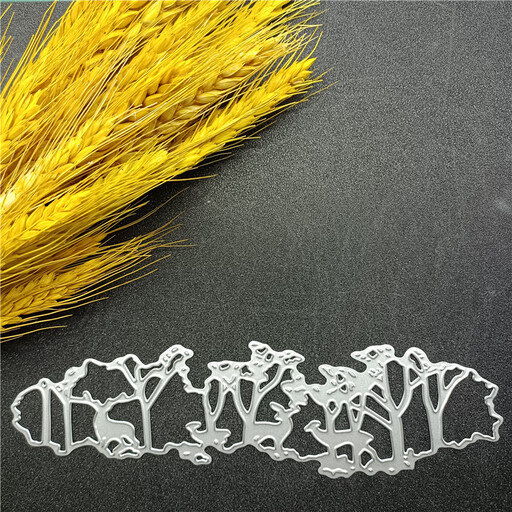
Why this product suits this crafting style: The product name refers to both cutting and embossing, making it a good option for beginners keen to try different paper crafts. Check that it’s compatible with your machine and that the design is the right size before buying.
The product name makes its intended dual function clear. This makes it easier to check whether you need cutting, embossing or both for your project before buying.
Metal construction, with stated uses for card making, scrapbooking and paper crafts.
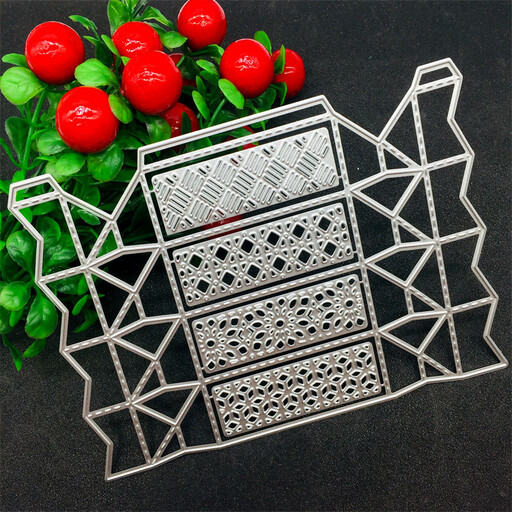
Why this product suits this crafting style: The artistic patterns and lace embossing will appeal to crafters who value textured edges and decorative details.
The product description mentions both die-cut patterns and lace embossing. This makes it easier to distinguish it from dies designed only for smooth-edged cuts.
Stated uses include card borders, paper crafts, scrapbooking and decorative embossing.
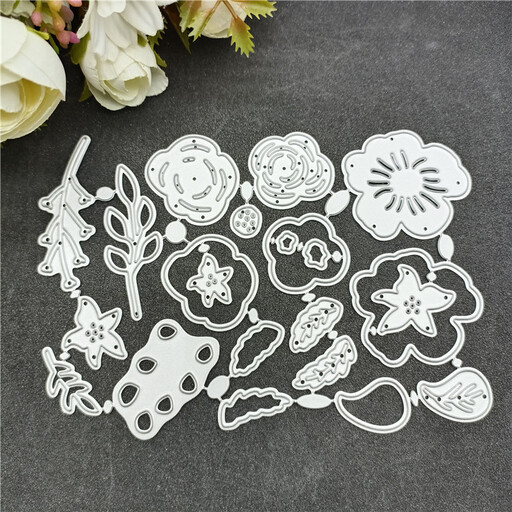
Why this product suits this crafting style: Flower and leaf designs work well on cards, in photo albums and in seasonal paper decorations. Frequent crafters can reuse these designs across a range of projects.
The clearly named flower and leaf design reduces the risk of buying a set that doesn’t suit your project. You should still check the exact design size before buying.
Flower and leaf designs, with stated uses for cards, albums and paper crafts.
We’ve put together a complete, regularly updated list of products that meet these strict selection criteria and fully comply with the safety regulations in force in the EU.
You’ll usually need a compatible manual or electronic die-cutting and embossing machine. The important factors are the feed-through, plate dimensions and the material combination recommended by the machine manufacturer. As these details can vary between products, check the product description against the instruction manual.
Their lifespan depends on factors including the type of metal, the intricacy of the design, paper thickness, pressure settings and storage. It isn’t possible to give a reliable lifespan that applies to every die. Storing dies flat in a dry place and using them within the recommended material limits can help protect their shape.
Not necessarily. An embossing stencil mainly creates texture, while a cutting die cuts through paper along a defined outline. Only assume that a product can do both if the description explicitly states that it has both functions.