
Lieferung heute & morgen

Qualitätsgarantie

Willkommens-Angebote freischalten: KOSTENLOSE Lieferung | Bis zu 80 % RABATT | Kostenlose 30-Tage-JoyPlus-Testphase
App herunterladen
Metal cutting dies for scrapbooking let you create intricate designs from paper, card and other thin craft materials. They’re often used for greeting cards, photo albums, gift packaging and decorative paper crafts. Choosing one may seem straightforward at first, but a few common buying pitfalls can lead to unnecessary spending.
Product images often show decorative arrangements that make it hard to judge the actual size of the die. A frame design might look just right on screen, but not fit your planned card front or album page. Before buying, check the overall dimensions, inner dimensions and size of each individual design.
Not every metal stencil is designed for the same task. A paper cutting die has a cutting edge that cuts through the material. An embossing stencil, on the other hand, creates a raised pattern without necessarily cutting out a complete shape. Some products combine both functions, while others do not.
Metal dies generally require a suitable cutting or embossing machine, along with compatible plates and, where necessary, adapters. Without compatibility information, you can’t be sure the machine will apply enough pressure. You should also check the maximum material thickness supported by the machine. If the product details are unclear, it’s worth asking the seller.
When choosing metal dies, look for evenly formed cutting edges, a flat base and clearly defined outlines. Intricate lace-like details and frame designs can be harder to release from the paper if the die is poorly made. If you make cards regularly, it’s worth choosing one that comes with sturdy storage to help prevent the thin dies from bending.
However, the product name alone doesn’t confirm a particular metal alloy or material thickness. If these details aren’t provided, don’t assume the die is rust-resistant, particularly hard-wearing or made to last for a specific amount of time.
Choose a design that suits what you have in mind:
For layered designs, choose a motif that works well with different papers or colours. Before buying, also check whether you’re getting a single design or a set of several dies.
Thin paper is usually easier to cut than thick craft card. Thicker materials may need to be run through the machine more than once or require an additional precision plate. Remember: don’t force the handle through the machine if the plates are lifting unusually high. This can put strain on both the die and the machine.
Smooth paper with few fibres is often easier to work with for DIY paper crafts. If you’re using heavily textured or coated card, try a test cut first. This will show whether small inner sections cut cleanly and whether you can release the design without tearing it.
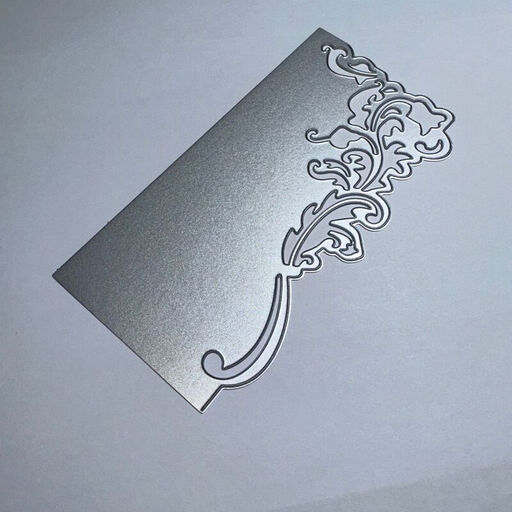
Why this product suits this profile: The mix of flower, animal and fish designs offers plenty of ideas for your first cards and small album pages.
The design description makes it clear that the dies are intended for card making and album decoration. Check the size and machine compatibility before you buy.
Several clearly named design groups; the product description says the dies are suitable for cutting and embossing.
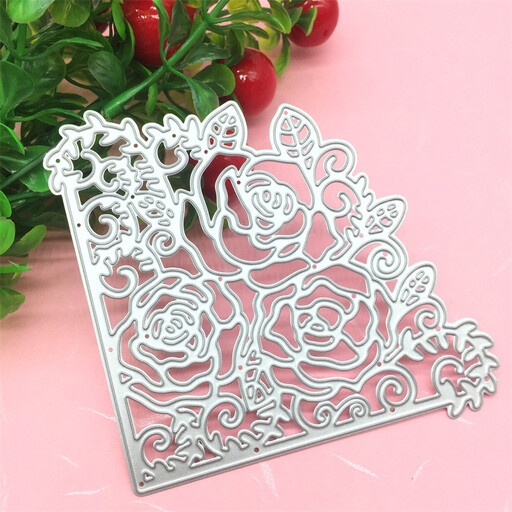
Why this product suits this profile: The corner and frame design is ideal if you want to create a specific look for card edges, photo cut-outs or symmetrical album pages.
The clearly described frame design makes it easier to see whether it suits your project. For precise corners, check the dimensions, orientation and whether the design needs to be repeated.
An Art Deco-inspired frame design, listed for scrapbooking and DIY paper crafts.
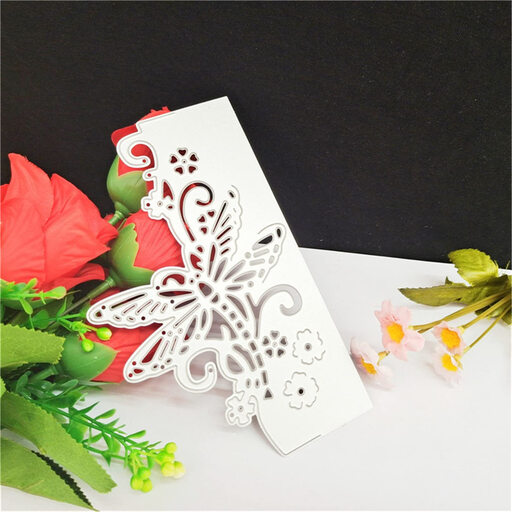
Why this product suits this profile: The seasonal theme is ideal for making Christmas cards, gift tags and festive album pages year after year.
The seasonal theme is clearly stated in the product description, making it easier to decide whether the design suits your crafting needs.
Christmas design; the description says it’s intended for cards, background designs and album decoration.
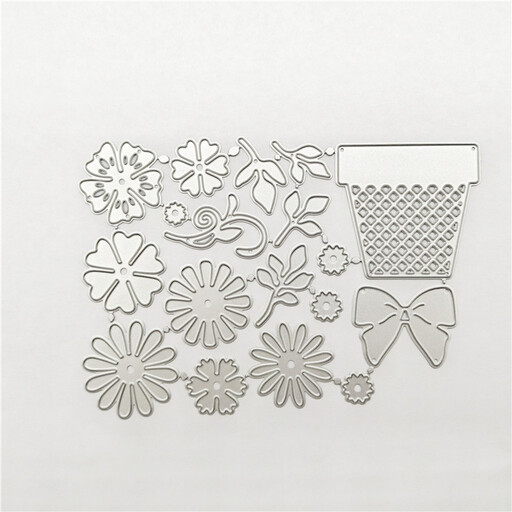
Why this product suits this profile: Use the leaf and floral frame designs in different colour combinations for cards, photo pages and paper decorations.
The product description identifies both the leaf design and the frame function. Still, check the cutting size and compatibility with your machine before buying.
Leaf and flower designs, described as background and frame templates for cards and scrapbooking.
We’ve put together a complete, regularly updated list of products that meet these strict selection criteria and fully comply with the safety regulations in force in the EU.
You’ll need a compatible manual or electric cutting and embossing machine. The key things to check are the width of the working area, the plates supplied and the maximum material thickness supported. Make sure the die and machine specifications are compatible.
There’s no set lifespan. It depends on factors including the material, pressure, paper thickness, storage and how often you use the die. Clean cuts without excessive pressure, along with dry, protected storage, can help prevent the die from bending or being damaged.
It depends on the die’s design and the machine you use. Product names that include terms such as “Embossing Stencil” or “embossing die” suggest that embossing may be possible, but you should still check the specific instructions for use.