
Lieferung heute & morgen

Qualitätsgarantie

Willkommens-Angebote freischalten: KOSTENLOSE Lieferung | Bis zu 80 % RABATT | Kostenlose 30-Tage-JoyPlus-Testphase
App herunterladen
Metal cutting dies for scrapbooking enable precise designs to be cut from paper, card or thin craft materials. They are suitable for personalised greetings cards, photo albums, gift packaging and decorative DIY projects. However, many metal cutting dies look similar in product images. That is why the design and price are not the only deciding factors: the material specification, dimensions and suitable cutting machine are also important.
A design may look large on screen but actually measure only a few centimetres. This is particularly problematic with frame dies, alphabet dies or number dies intended for a specific card size. Before buying, check the stated dimensions and compare them with your planned craft project.
Not every embossing folder cuts completely through the material. Some products only create a raised pattern, while others are designed as cutting dies. Product descriptions containing terms such as “Embossing”, “Stencil” or “Template” should therefore be read carefully. With combination models, you should also check whether cutting and embossing are possible with the same machine.
Metal cutting dies generally do not work independently. They require a suitable manual or electric die-cutting and embossing machine. The required plates, adapters and maximum material thickness vary depending on the device. Without checking these details, a set that appears suitable may be unusable or may produce untidy cut edges.
Craft dies made from carbon steel use a rigid, shape-retaining metal. However, the material specification alone does not indicate how finely a design cuts or how well it will work with a particular machine. Look for:
With very small cut-outs, paper may remain stuck in the die after cutting. You may need to tap it out or carefully release it with a suitable tool. Do not test sharp edges with your fingers.
For card making and small gift packaging, compact designs are often more practical than large background patterns. Frame dies, on the other hand, are suitable for photo albums, journal pages and central card elements. Flower dies and butterfly dies can often be used as individual accents or in groups.
If you want to create names, dates or short greetings, check which characters are included. An alphabet set with capital letters does not automatically include lower-case letters, umlauts or special characters. The same applies to number dies: check that all the digits you need are included and how many times each individual number appears in the set.
The maximum material thickness depends on the die and the machine. Thin scrapbooking paper is normally easier to work with than thick card or layered materials. For multi-layered projects, a test cut using a leftover piece is recommended. This will show whether the outlines are cut all the way through and whether the paper fibres fray around the cut edges.
Only use the plates and settings recommended by the machine manufacturer. Excessive pressure can damage the die, plates or material. Embossing folders may also require a suitable embossing material or silicone/embossing mat, if specified in the machine instructions.
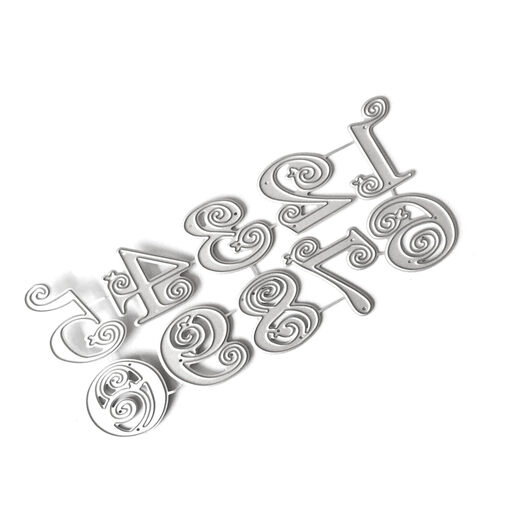
Why this product suits the profile: Number dies are suitable for personalised cards, birthday decorations, calendar pages and packaging. The carbon steel specification makes it easier to identify the material.
The specific number design makes the intended use clearer than a general design description. Nevertheless, check the dimensions and machine compatibility before buying.
Number design; according to the product name, intended for cards, scrapbooking, packaging and paper decorations.
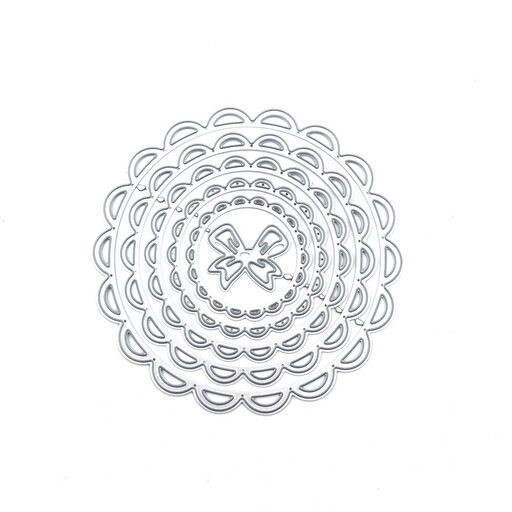
Why this product suits the profile: A frame design supports structured layouts for cards, photo albums and scrapbook pages. It is a good choice when you are looking for a recurring base element.
The clearly stated frame use reduces the risk of confusing a decorative individual design with a background stencil. The outer and inner dimensions should still be checked.
Frame design; according to the product name, intended for paper, card making, scrapbooking and embossing.
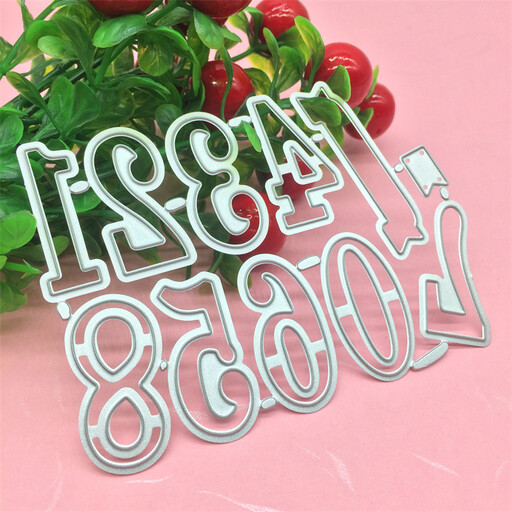
Why this product suits the profile: This set is aimed at crafters who regularly create names, headings or short messages for cards and albums. The product name states that it includes 26 capital letters and 10 numbers.
The types of characters included are clearly stated. Even so, check that the capital letters, numbers and font size suit your layout.
26 capital letters; plus 10 numbers according to the product description; intended for scrapbooking and paper crafts.
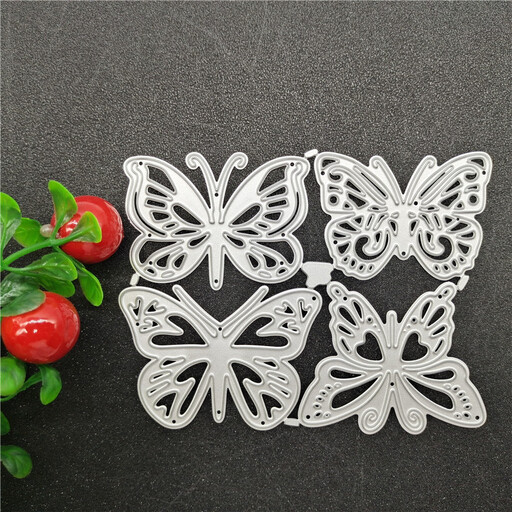
Why this product suits the profile: Four butterfly designs offer variety for cards, album pages and paper decorations. This set is ideal for crafters who want to use a recurring nature-inspired motif in different sizes or shapes.
The number of designs is stated in the product name. This makes it easier to judge whether you are looking for a single design or a versatile set.
Four butterfly designs according to the product name; intended for cards, albums, scrapbooking and embossing projects.
We have compiled a complete, regularly updated list of products that fully meet these strict selection criteria and the safety regulations applicable in the EU.
You need a compatible die-cutting and embossing machine with suitable cutting plates. The permitted plate combination and pressure depend on the machine model and the individual die. Read the manufacturer’s instructions before using it for the first time.
There is no fixed general lifespan. It depends on factors including material thickness, design intricacy, pressure setting, storage conditions and frequency of use. Thin paper, the correct plates and dry storage can help reduce unnecessary wear.
This depends on the die and the machine. Check the permitted material thickness and begin with a test cut. If the edges are untidy, do not process the card repeatedly with increased pressure. First check the machine configuration.