
Lieferung heute & morgen

Qualitätsgarantie

Willkommens-Angebote freischalten: KOSTENLOSE Lieferung | Bis zu 80 % RABATT | Kostenlose 30-Tage-JoyPlus-Testphase
App herunterladen
Metal cutting dies are useful for a wide range of scrapbooking projects. You can use them to cut shapes from paper, card or suitable craft materials, and some designs can also create embossed textures. But an attractive design isn’t the only thing to consider when choosing a die. Unclear dimensions, missing compatibility details or very intricate outlines can all mean that a die sees little use in everyday crafting.
This buying guide explains what crafters in the UK should look out for before buying, and which designs suit different projects.
A flower design might look large in the product image, yet turn out much smaller on a greeting card. Without exact dimensions, it can be difficult to tell whether the die is suitable for an A6 card, an album page or a gift tag. Check the product dimensions before buying and compare them with your intended use.
Not every metal die will automatically work with every die-cutting or embossing machine. Factors to consider include the machine’s opening width, the maximum material thickness and the plates recommended by the machine manufacturer. Many listings don’t provide all of these details. If anything is missing, check with the seller or consult your machine’s instructions.
Very fine lines can tear when used with thin or fibrous paper. Sturdy card, on the other hand, may need greater pressure to cut cleanly. A paper cutting die should therefore be suited to the material. If you craft regularly, it’s worth choosing a mix of simple outlines and more detailed designs rather than relying only on intricate patterns.
The term metal cutting die describes the basic material, but it doesn’t tell you everything about the design or finish. Look for cleanly finished edges, a die that sits flat and clear product information. If you’re buying a set, it should also be clear how many individual pieces are included.
For metal embossing folders, check whether the product is intended for cutting, embossing or both. Some product descriptions use the terms ‘embossing’, ‘stencil’ and ‘cutting dies’ side by side. To get a clean result, your machine must support the relevant function.
Compact designs and frame shapes are handy for card-making dies. A larger frame die can add structure to the front of a card, while small flowers, leaves or letters work well as accents. For photo albums, make sure the design not only looks right but also leaves enough room for photos, captions and adhesive.
Before buying, decide whether you’re looking for individual embellishments or a versatile set of designs that work well together:
For photo album dies, it’s also useful to choose designs you can repeat. Using the same design in different paper colours can help give an album a more coordinated look.
The products below have been grouped by design type and intended use, as stated in their product descriptions. Check details such as machine compatibility, dimensions and material thickness before buying.
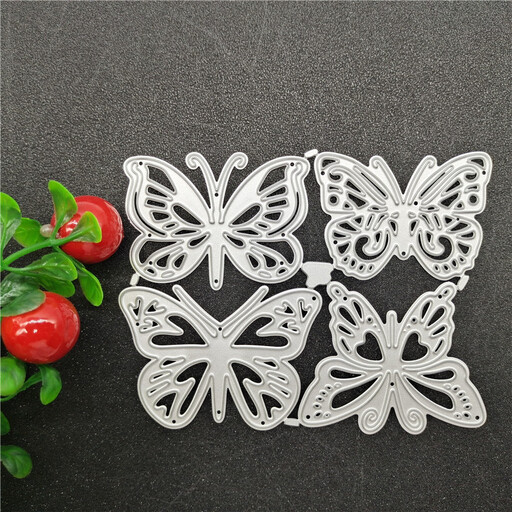
Why this product suits this crafting profile: With four butterfly designs, this set is a great way to get started on cards, gift tags and album decorations with a clear theme.
The number of designs is clearly stated, making it easier to see what’s included before you buy.
Four coordinating butterfly designs; the product description says they’re suitable for scrapbooking, cards and albums.
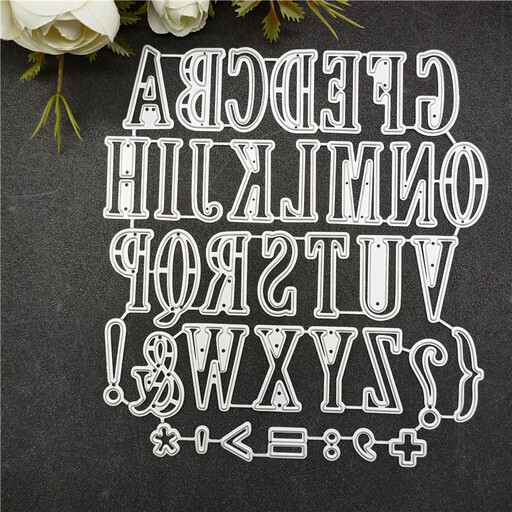
Why this product suits this crafting profile: This set is ideal if you want to add captions, names and personal messages to your paper crafts.
The set is clearly listed as containing 26 capital letters, so you can check the available letters before you buy.
26 capital letters; suitable for cards, scrapbooking, paper crafts and decorative words.
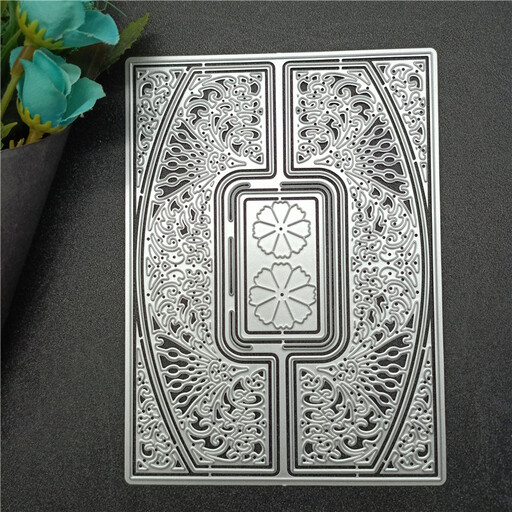
Why this product suits this crafting profile: The floral frame design works well on card fronts, scrapbook pages and decorative paper panels.
The design is described as a frame, rather than just a single embellishment. This makes it easier to judge how it might work across a larger area.
Floral frame design; the product description says it’s suitable for cards, paper crafts, scrapbooking machines and embossing and die-cutting projects.
We’ve put together a complete, regularly updated list of products that meet these strict selection criteria and the safety regulations in force in the EU.
You’ll generally need a compatible manual or electric die-cutting and embossing machine. Whether a particular die will work depends on its design, the plate size and the material thickness. Always check the information provided by the machine and product suppliers.
There’s no set lifespan. It depends on the metal finish, the pressure applied, the type of paper, how the dies are stored and how often they’re used. Keeping them clean and dry, and using them as directed by the machine manufacturer, can help prevent unnecessary wear.
That depends on the product and the machine you’re using. Check the stated material thickness before buying. If the information isn’t clear, try cutting a small piece of card before starting an important project.