
Lieferung heute & morgen

Qualitätsgarantie

Willkommens-Angebote freischalten: KOSTENLOSE Lieferung | Bis zu 80 % RABATT | Kostenlose 30-Tage-JoyPlus-Testphase
App herunterladen
Metal cutting dies for scrapbooking are ideal for creating one-of-a-kind cards, decorating photo albums and making decorative paper projects. Choosing one may seem straightforward at first: pick a design, place your order and use it in your die-cutting machine. In practice, however, buyers often end up with the wrong product because they have not checked compatibility, size or intended use.
Not every cutting die fits every machine. Key considerations include the maximum opening width, the plates required and the maximum material thickness the machine can handle. Many metal dies are designed for standard manual die-cutting and embossing machines. However, always check the product description and your machine manufacturer’s instructions to make sure a die is suitable.
A delicate design might look lovely on a small greetings card but be too small for a large album layout. Conversely, a wide frame die could cover important parts of a photograph. If the product description does not give precise measurements, ask the retailer before ordering or use a similar design as a guide to size.
A cutting die cuts paper, card or similar materials along a particular outline. An embossing folder mainly creates a raised effect or texture. Some products combine both functions, while others do not. If you’re looking for a raised finish for cards or album pages, check the stated function rather than judging by the design image alone.
Metal cutting dies are usually made from a thin, shaped metal plate with a cutting edge. It’s important to check which materials they’re designed for. Common uses include:
Very thick card, felt or several layers of paper can put extra strain on both the machine and the die. Don’t assume that a die will work with any material thickness.
For card-making dies, the overall size, inner area and border spacing are particularly important. With frame dies, make sure the opening is large enough for the photo or text you have in mind. Flower dies and a butterfly die, on the other hand, can often be used as standalone accents.
Before you buy, check:
Small paper scraps can get caught in fine details after cutting. A soft brush or a suitable tool used carefully can help with cleaning. Store metal dies somewhere dry and separate from damp craft materials. A flat box or labelled clear sleeve makes it easier to sort them by theme, such as weddings, birthdays, spring or frames.
The products below are suited to a range of projects. Before buying, check the product name and available features on the relevant product page, particularly the contents, dimensions and machine compatibility.

Why this product suits this profile: This decorative edge design is aimed at beginners who want to create greetings cards with a clearly defined text or decorative border.
The product name identifies it as an edger die, making it easier to distinguish its intended use from that of an embossing folder alone before you buy.
Themed sentiment for greetings cards; metal cutting die for paper projects.
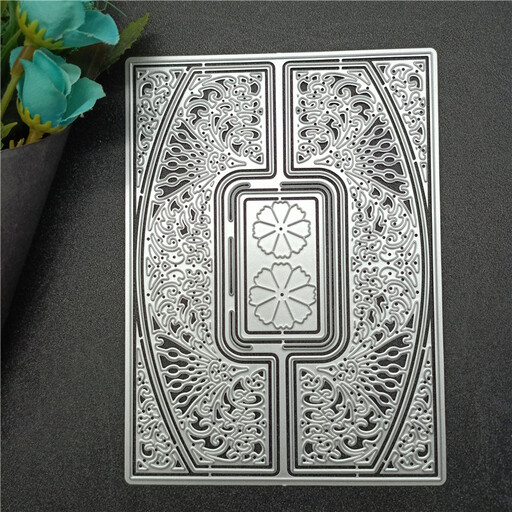
Why this product suits this profile: The floral frame design is well suited to cards, album pages and paper layouts where you want a repeated border.
The frame design makes the intended placement clear. Before buying, you can check how the inner space and overall dimensions compare with your card size.
Floral frame design; described as suitable for card making, scrapbooking and use with a die-cutting machine.
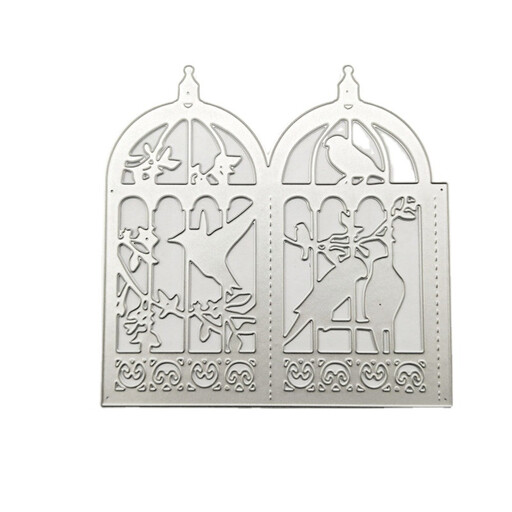
Why this product suits this profile: The wedding theme is designed for invitations, congratulations cards, guest books and photo album decorations for special occasions.
The clear theme makes it less likely that you’ll buy a general design for a specific occasion. You should still check the dimensions and included elements.
Wedding-themed designs; described as a cutting and embossing tool for paper and cards.
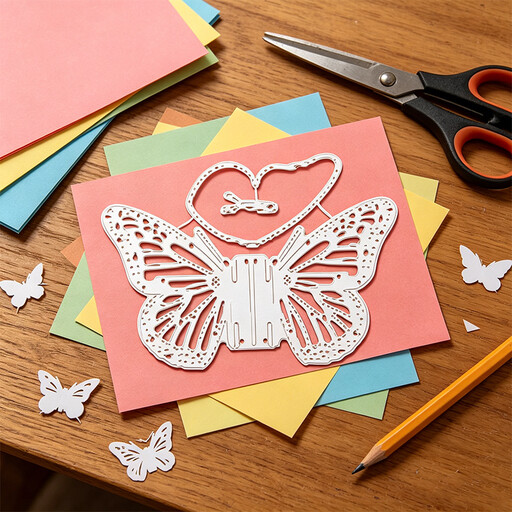
Why this product suits this profile: The butterfly design is ideal for crafters looking for individual accents for spring cards, album pages or delicate paper decorations.
The product name clearly specifies a butterfly and tools. This makes it easier to check whether you’re looking for a single design rather than a large themed set.
Butterfly design; listed for paper cards, scrapbook albums and embossing projects.
Depending on your project, flower dies, star and frame designs, spring motifs or combined stamp-and-die sets may also be useful. If you regularly make different cards, photo albums and paper decorations, look for a good balance of variety, suitable sizes and easy-to-manage storage.
We’ve put together a complete, regularly updated list of products that meet these strict selection criteria and fully comply with the safety regulations in force in the EU.
You’ll generally need a compatible manual or electric die-cutting and embossing machine. Before you buy, compare the plate size, opening width and permitted material thickness. The product page alone is no substitute for checking your machine manufacturer’s compatibility information.
Their lifespan depends on the type of metal, how intricate the design is, the paper thickness, the pressure applied and how well they’re cared for. Thin paper within the recommended specifications usually puts less strain on a die than thick card or several layers. Keeping dies dry and rust-free, and removing any paper scraps, helps you use them regularly.
No. Cutting dies cut a design out, while embossing folders mainly press a texture into the paper. For combined craft dies, check the product description to see whether they’re designed to cut, emboss or do both.