
Lieferung heute & morgen

Qualitätsgarantie

Willkommens-Angebote freischalten: KOSTENLOSE Lieferung | Bis zu 80 % RABATT | Kostenlose 30-Tage-JoyPlus-Testphase
App herunterladen
Metal cutting dies for scrapbooking let you create decorative cut-outs and embossed textures for cards, photo albums and paper decorations. The options may look straightforward at first, but product photos and vague claims such as ‘suitable for all projects’ reveal little about how well a die will actually work for you. The key factors are choosing the right die-cutting machine, checking the design size and understanding how the die is made.
This buying guide explains what crafters in the UK should look out for before buying, and which types of design are suited to different projects.
Not every metal cutting die will automatically fit every machine. Many listings simply say ‘suitable for scrapbooking machines’, without specifying the machine model, the plates required or the sandwich arrangement. Before buying, check:
Craft dies for die-cutting machines can be used in different ways, depending on their design. A cutting die creates a cut-out, while a metal embossing folder can also leave a raised or recessed texture. Don’t assume a product does both unless the listing specifically says so.
A decorative design can look larger on screen than it will in real life. Without dimensions, it’s difficult to plan card borders, photo areas or envelopes. The outer and inner measurements are particularly important for frame dies and border dies.
Before buying, compare the measurements with a ruler or a card you already have. For multi-piece sets, check whether several individual dies are included or whether the image simply shows different ways to use one die.
The word ‘metal’ doesn’t tell you how thick or durable a die is, or whether it has a special surface treatment. Likewise, a photo showing storage pockets, paper or decorations might give the impression that these accessories are included. Reliable product information should list the following separately:
If these details are missing, don’t judge the price on the variety of designs alone.
For paper cutting dies, compatibility with your machine is the key technical detail. Check the information provided by the seller and the machine manufacturer. For very intricate designs, it’s also worth checking whether you need an embossing mat or a special plate set.
Also check whether the die is a:
Choose a die that suits your project. Small flower dies, for example, work well as accents on greeting cards or for layering. Larger frames can add structure to a photo album page. For borders, the width is important so the pattern doesn’t extend beyond the edge of your card.
Look out for fine inner lines: the more intricate the design, the more carefully you’ll need to choose your paper, pressure and alignment. Beginners may find clearly defined designs easier to work with.
Not all paper cuts equally well. Thin craft paper, photo card and heavier card stock all respond differently to pressure. For a clean cut, make sure the paper thickness is suitable for your machine.
After use, remove any paper scraps from the fine details and store the dies somewhere dry. A flat organiser or labelled storage pocket makes them easier to sort. This is particularly useful for photo album dies and large collections of card-making supplies.
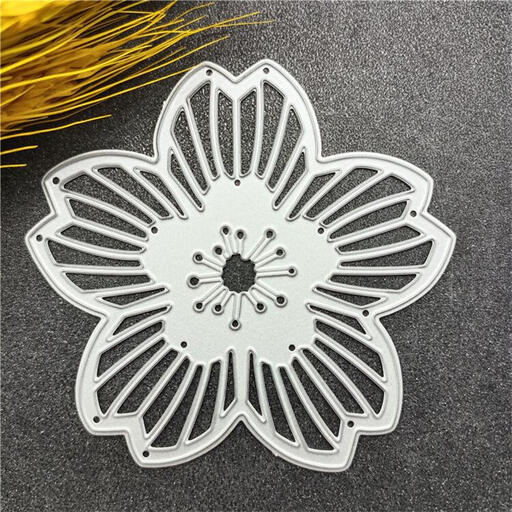
Why it suits this type of crafter: The flower design is intended for card making and decorative paper crafts, and gives you a starting point for a range of creative projects.
The product name suggests this is a card-making set with storage pockets. Before buying, check the number of dies, their dimensions and exactly what’s included.
Flower design; the product name says it’s intended for card making, embossing and use with a scrapbooking machine.
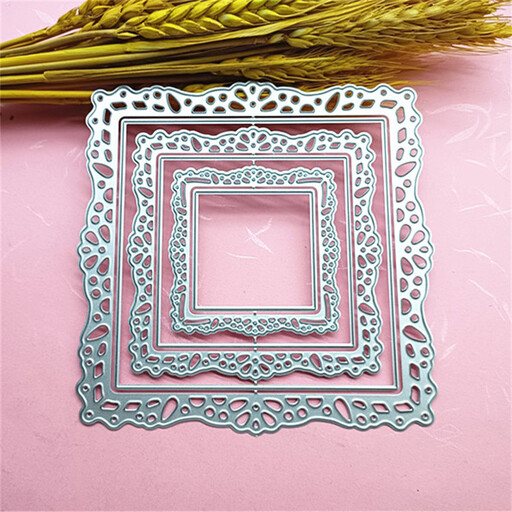
Why it suits this type of crafter: The square lace background design is made for adding precise details to cards and scrapbook pages.
The clear description makes it easier to check whether a square background design will suit your card size. You’ll still need to check the dimensions and machine requirements.
Square lace design; the product name says it’s designed for cutting, embossing and card-making projects.
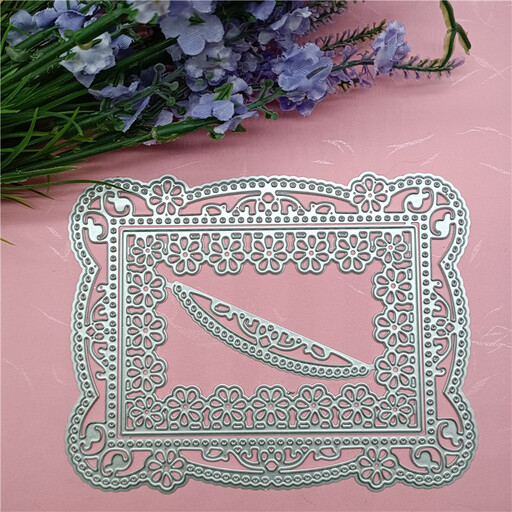
Why it suits this type of crafter: The frame design is useful for creating consistent layouts in photo albums, on cards and across decorative paper projects.
The frame function is clearly stated, so you’re less likely to mistake a standalone motif for a photo border. Compare the outer and inner measurements before buying.
Frame design; the product name says it’s intended for photo albums, cards, cutting and embossing.
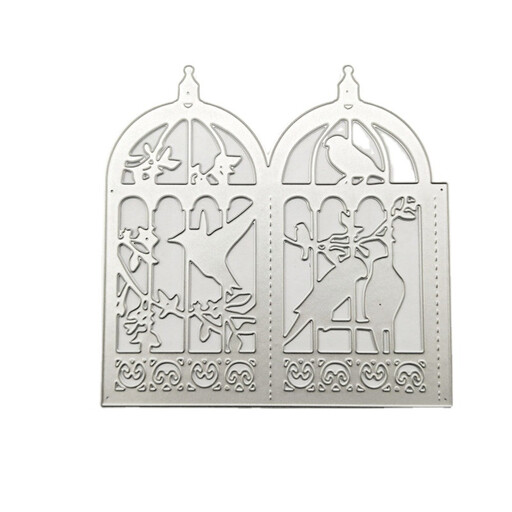
Why it suits this type of crafter: The wedding design is made for themed cards, albums and paper decorations for special occasions.
The product name spells out its intended use. If you plan to use it often, check the cut size, design details and suitable card thickness before buying.
Wedding-themed design; the product name says it’s intended for scrapbook albums, paper cards and embossing.
We’ve put together a complete, regularly updated list of products that meet these strict selection criteria and the safety regulations in force across the EU.
It depends on the machine and die. Thin paper is usually easier to cut, while heavier card may need more pressure. Check the manufacturer’s guidance on maximum paper thickness, and test an unfamiliar die on a scrap piece first.
Store dies flat and in a dry place to prevent them from bending and make them easier to sort. Keep small dies in labelled pockets or on magnetic sheets. Carefully remove any paper scraps from the cut lines after use.
Not necessarily. It depends on the design size, paper format and look you’re aiming for. Flower and small lettering designs often work well as accents, while frame and background dies are generally suited to larger areas. Check the dimensions and intended use before buying.