
Lieferung heute & morgen

Qualitätsgarantie

Willkommens-Angebote freischalten: KOSTENLOSE Lieferung | Bis zu 80 % RABATT | Kostenlose 30-Tage-JoyPlus-Testphase
App herunterladen
Metal cutting dies are ideal for a wide range of creative paper projects, from personalised greeting cards and photo albums to wedding and seasonal invitations. But with so many options available, choosing the right one can be tricky. A decorative design alone won’t tell you whether it’s compatible with your die-cutting machine, suitable for your paper or right for your project.
Not every die is compatible with every manual or electric die-cutting machine. Before you buy, check that it’s suitable for your machine and its plate configuration. The maximum working width can also be important, particularly for large frame or border dies.
The material description alone doesn’t tell you how a die is made. Factors such as shape stability, the finish of the cutting edge and the detail of the design all matter. Very intricate patterns may not cut all the way through if the paper is unsuitable or the pressure is too low.
A traditional cutting die cuts paper along a sharp edge. An embossing folder, by contrast, creates a raised or indented pattern without cutting all the way through the material. Some products are designed for both uses, while others are made for just one. Always read the product description carefully.
Small to medium-sized designs are often easier to use for card making and photo albums. For A5 or A4 projects, larger frame dies or border dies may be a better choice. Before you buy, check:
For invitation dies, it’s also important to decide whether you want to use the design along the edge of a card, as a corner detail or as a complete cut-out.
Thin patterned paper, card and heavier cardstock all behave differently. The more intricate the design, the more carefully you should match the paper thickness to the supplier’s recommendations. For very small details, extra layers of paper, a thin release sheet or specialist precision paper may help. These accessories aren’t necessarily included.
Choose a design to suit your project. Flower dies work well for floral cards, photo albums and festive decorations. Frame designs can add structure to photos or areas of text. Christmas dies are ideal for seasonal cards and gift tags, while lace and border designs can be used for wedding or birthday invitations.
If a product description includes the word ‘embossing’, check whether the die can actually emboss or whether the term simply refers to its decorative design. Clear product images and a full description can help you avoid buying the wrong thing.
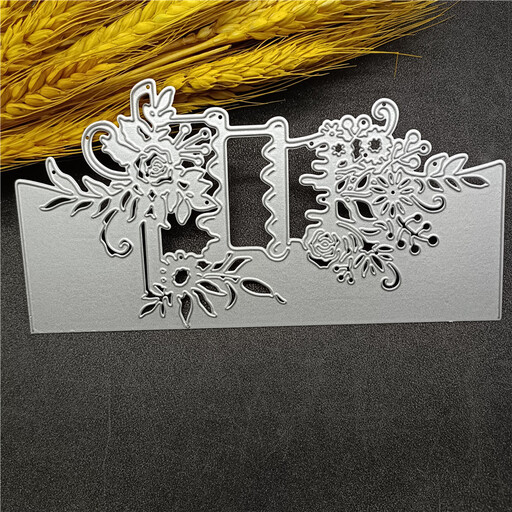
Why this product suits this profile: Designed for scrapbooking, photo albums and card making, it’s a versatile starting point for anyone looking to try a range of paper crafts.
The product name specifies what it can be used for. Still, check the dimensions and machine compatibility before buying, as these details aren’t fully provided here.
Designed for DIY cards and decorative photo album projects, with a design you can see in the product image.
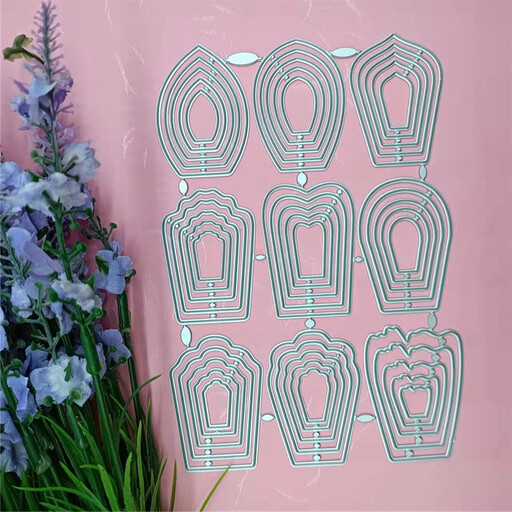
Why this product suits this profile: The combination of a cutting die and stencil makes it an interesting option for anyone planning a variety of decorative paper projects and keen to compare product details carefully.
The product name suggests it’s suitable for album, paper and card projects. Before buying, check whether it only cuts or can also be used for embossing.
Described as a metal stencil for paper and card crafts, making it suitable for decorative DIY projects.
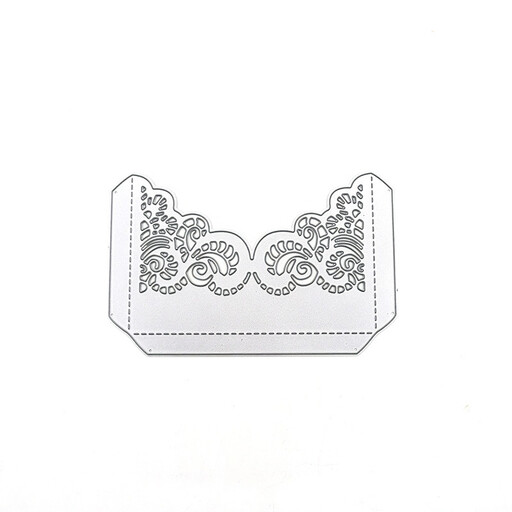
Why this product suits this profile: Its lace, flower and border designs are made for decorating wedding cards, invitations and photo albums.
Its specialist designs make it less likely you’ll buy a generic die for a special occasion project. Compare the dimensions and border length with the cards you’re planning to make.
The product name specifies lace, flower and border designs, intended for wedding cards and invitations.
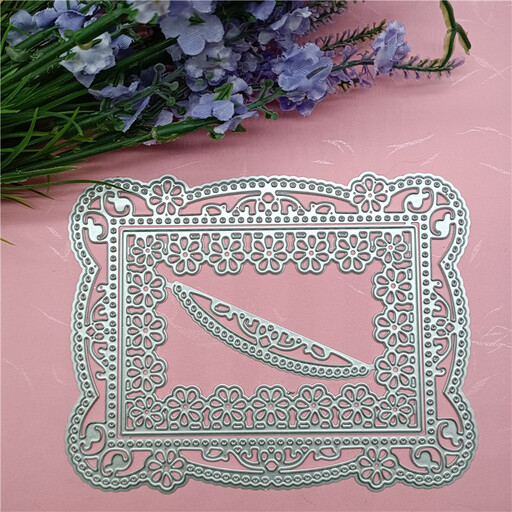
Why this product suits this profile: Frame designs are handy for adding a border around photos, quotes or small pictures on album pages and cards.
The frame design is clearly identified in the product name. The key details to check are the inner and outer dimensions, and whether it’s suitable for your chosen paper thickness.
A frame design for scrapbooking, cards and photo albums, described as both a metal die and a stencil.
We’ve put together a complete, regularly updated list of products that meet these strict selection criteria and fully comply with the safety regulations in force in the EU.
It depends on your die-cutting machine, the die and the paper. Thin paper is usually easier to cut with intricate designs, while heavier card makes for sturdier cards. Always follow the supplier’s recommendations for the material thickness. A test cut can help prevent damage to your craft materials.
There’s no set lifespan. It depends on the material, how intricate the design is, the pressure used, the paper and how the dies are stored. Regular cleaning, dry storage and using the dies within the machine’s recommended limits can help protect them. Visible warping or damaged cutting edges are signs that you should stop using a die.
As well as the purchase price, you may need to budget for paper, card, adhesives, replacement plates or extra accessories. If you craft regularly, compare the design size, what’s included in the set and whether it’s compatible with the craft supplies you already own. This can help you avoid buying duplicates for your DIY paper projects.