
Lieferung heute & morgen

Qualitätsgarantie

Willkommens-Angebote freischalten: KOSTENLOSE Lieferung | Bis zu 80 % RABATT | Kostenlose 30-Tage-JoyPlus-Testphase
App herunterladen
Metal cutting dies are ideal for a wide range of creative projects, from personalised greeting cards and photo albums to invitations, paper decorations and handmade wedding cards. However, there’s plenty of choice, and product images or flowery descriptions don’t always tell you how a die will work in practice.
If you buy without checking first, you may run into three common problems:
Before buying, check whether the set is designed for your machine. Key details include:
If the product listing doesn’t give specific compatibility details, compare the seller’s information with your machine’s instructions. A die may be made of metal but still not be suitable for every system.
For cards and photo albums, choose a design that fits the space you have in mind. A small floral design can add an accent to a greeting card, while a large frame die may be better suited to a card window, an album page or an invitation.
With delicate flower dies, lace patterns and leaf designs, narrow connecting sections are particularly important. Very fine details may take more patience to release from the paper. For beginners, clearly defined outlines and simpler patterns are often easier to use.
The word ‘metal’ doesn’t tell you how thick or hard a die is, or how well it cuts. These details should be stated clearly in the product description. You should also check that the die is suitable for the material you plan to use:
Thicker card may require an extra pass or a different combination of plates. Always follow your machine’s instructions. Before starting your project, it’s a good idea to test the die on a scrap of paper.
The recommendations below group the products by design and typical use. Check the dimensions, compatibility and what’s included on the relevant product page before buying.
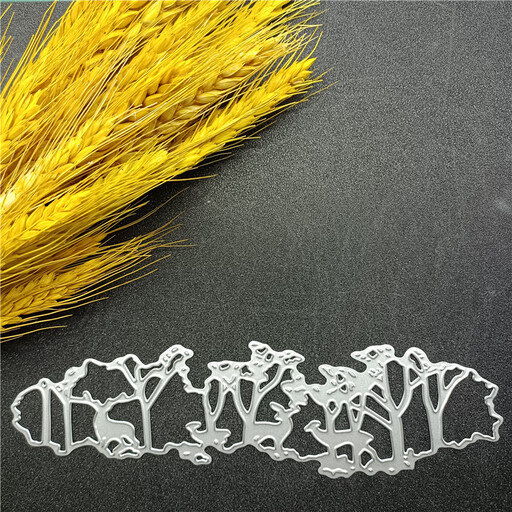
Why this product suits this profile: Its broad product description makes this die an interesting option for crafters taking their first steps with cards, albums and DIY paper crafts. Check the design dimensions and machine compatibility before buying.
The product name mentions both card making and scrapbooking, suggesting it’s intended for a range of projects. Be sure to check the exact dimensions before buying.
A metal die for paper crafts; the product name says it’s designed for cards, scrapbooking and albums.
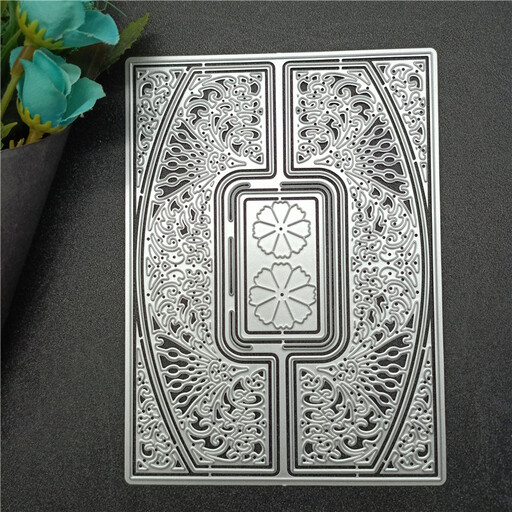
Why this product suits this profile: Described as a flower frame, this design is ideal for crafters looking to add a defined border to card fronts, album pages or invitations.
The product name clearly identifies the type of design, making it easier to check whether you’re looking for a flower frame rather than a single floral element.
A clearly named flower-frame design; the product name says it’s intended for cards, paper crafts and scrapbooking machines.
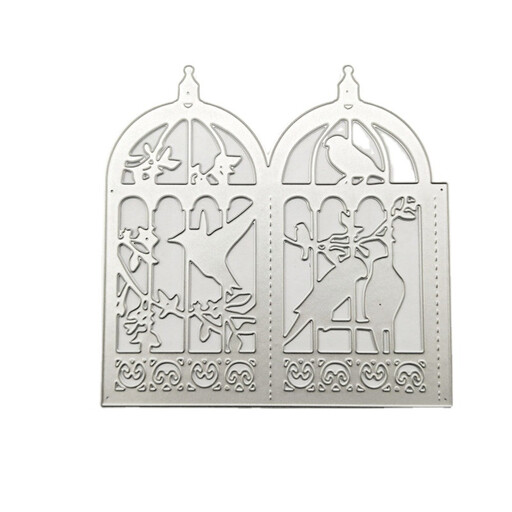
Why this product suits this profile: The product name mentions wedding cards, albums, paper and embossing. This die may suit anyone making invitations or decorations for special occasions in larger quantities.
The intended occasion is clearly stated. Before making a batch, though, test the die and check the paper thickness and machine compatibility.
A design with a wedding theme; the product name says it’s intended for cutting and embossing in card and album projects.
Place the paper and metal die squarely between the designated plates. With small or delicate designs, you may need to run them through a second time, provided your machine’s instructions allow this. Don’t use excessive force if the plates won’t close.
After use, carefully remove any paper scraps and store the dies somewhere dry. Moisture can damage metal surfaces. If you craft often, it’s worth sorting your dies by design, such as flowers, leaves, frames and seasonal patterns.
If you’re looking for additional paper punches, embossing folders or craft stencils, check whether the pack actually contains several dies or just one metal die. Product images may show decorative elements that aren’t included.
We’ve put together a complete, regularly updated list of products that meet these strict selection criteria and fully comply with the safety regulations in force in the EU.
You’ll need a compatible manual or electronic die-cutting and embossing machine. The key factors are the permitted plate height, the working width and the accessories recommended by the machine’s manufacturer. Check the die’s specifications against your machine’s instructions.
There’s no set lifespan. It depends on factors including the material, paper thickness, pressure, cleaning and storage. The connecting sections on very delicate designs may be more fragile. Storing dies in a dry place and using the right plates can help prevent unnecessary wear.
Some products are sold as cutting and embossing dies. However, you may need extra plates, an embossing mat or a specific machine system. Before buying, check whether the die is designed for the task you have in mind: cutting, embossing or both.