
Lieferung heute & morgen

Qualitätsgarantie

Willkommens-Angebote freischalten: KOSTENLOSE Lieferung | Bis zu 80 % RABATT | Kostenlose 30-Tage-JoyPlus-Testphase
App herunterladen
It’s easier to create personalised cards, decorative photo albums and creative paper projects when you choose a cutting die that suits your craft machine and the design you have in mind. Metal cutting dies for scrapbooking are often sold with unclear information about their size, material or intended use. If you buy based on the design alone, you may later find that the die doesn’t fit your existing machine or isn’t suitable for your planned project.
Not every metal die works with every manual or electric cutting machine. Important factors include the dimensions of the die, the plate combination you use and the material thickness recommended by the machine manufacturer. If the size isn’t listed, check the product description or contact the seller before buying.
Terms such as “Embossing”, “Stencil” and “Die Cut” are sometimes combined in product names. A cutting die cuts through the paper along its cutting edge. An embossing folder, by contrast, mainly creates a raised design. Some products can do both, depending on their construction and the machine used; others are designed for cutting only. So embossing folders and metal cutting dies shouldn’t be expected to do the same job.
A delicate design can look quite different on a greetings card than on a large photo album page. For card-making dies, the overall dimensions, margin and available space are particularly important. For photo album dies, also check that the cut-out will leave enough room for photos, captions and embellishments.
Metal cutting dies are thin forms with embossed or cutting contours. Product descriptions such as “Metal Cutting Dies” or “Carbon Steel” indicate the material category, but don’t tell you the actual thickness or whether the die is compatible with your machine. When comparing products, specific details about the material, die thickness and cutting edge are more useful than general marketing claims.
Check the following:
For example, flower dies are ideal for adding floral accents, while frame dies can frame areas or add structure to sections of an image. If you’re choosing a multi-piece DIY template, check whether the individual pieces can be used separately.
The paper you choose affects the result. Thin paper is generally handled differently from thick card or photo paper. For a clean cut, use the combination of base plate, cutting mat and top plate recommended by the machine manufacturer. Before starting a larger crafting project, try a test cut on a scrap piece.
For intricate designs, it helps to turn the handle slowly, use a clean cutting mat and carefully remove any small paper scraps. If you’re also embossing, you’ll usually need a suitable embossing sandwich. The exact order depends on your machine.
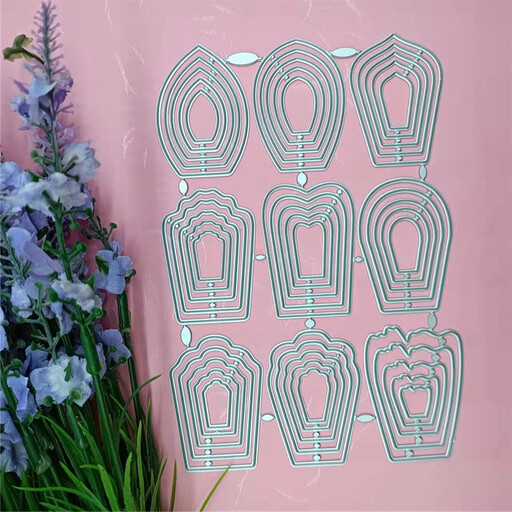
Why this product suits this user: This versatile die is designed for album, card and paper projects, making it a good choice if you want to try out different uses to begin with.
The product name specifies that it’s for scrapbooking, paper and cards. Even so, check the dimensions and compatibility with your machine before buying.
Metal die for paper and card projects; described as a template for albums and DIY decorations.
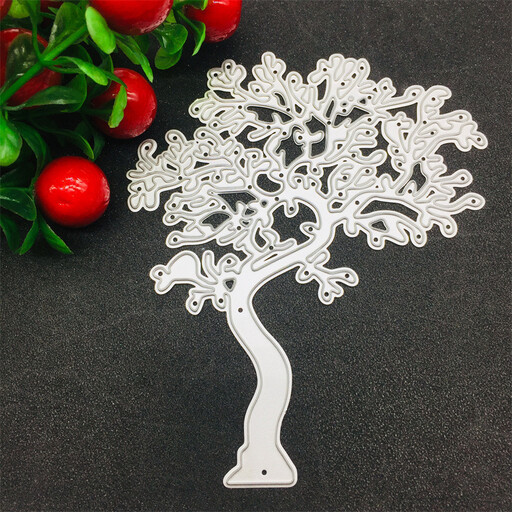
Why this product suits this user: The product name specifies carbon steel and a distinctive tree design. It’s a good fit for projects where the material and a decorative standalone design are priorities.
The material is specified more clearly than with a general reference to metal. You’ll still need to check the size and compatibility with your cutting machine before buying.
Carbon steel specified in the product name; tree design for decorative scrapbooking projects.
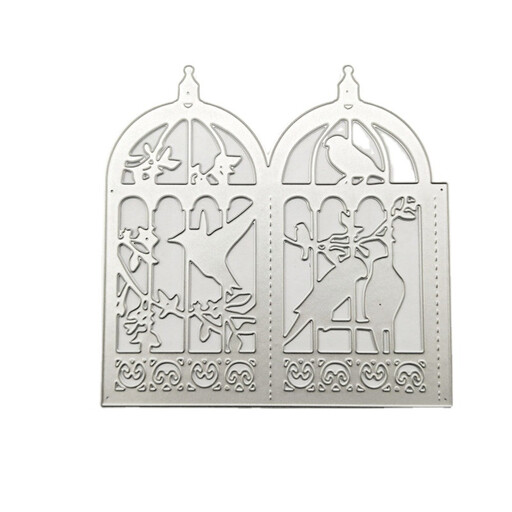
Why this product suits this user: Its focus on wedding cards, scrapbook albums and embossing makes it a good match for themed projects such as invitations, table decorations or keepsake albums.
Its specific theme makes it less likely that you’ll choose a generic design that doesn’t suit a wedding project. Check separately whether it offers the embossing function you need.
Designed with weddings in mind; the product name says it’s intended for cards, albums and paper embossing.
We’ve put together a complete, regularly updated list of products that meet these strict selection criteria and fully comply with the safety regulations in force in the EU.
It depends on the cutting machine and the die. Thin craft paper is usually handled differently from thick card. Check your machine’s instructions and start with a test cut. With very intricate designs, paper that’s too thick may prevent the inner sections from cutting cleanly.
Their lifespan depends on the material, die design, type of paper and pressure applied by the machine. Clean cutting mats, correctly positioned plates and avoiding unsuitable materials can help protect the die. Rust, bent edges or visible damage are signs that you should stop using it.
No. A cutting die isn’t automatically an embossing folder. Check that embossing is specifically listed as a feature and that you have the right plate combination for your machine. If you’re making wedding decorations, photo albums or greetings cards, try it on a scrap of paper before working on your finished piece.