
Lieferung heute & morgen

Qualitätsgarantie

Willkommens-Angebote freischalten: KOSTENLOSE Lieferung | Bis zu 80 % RABATT | Kostenlose 30-Tage-JoyPlus-Testphase
App herunterladen
Metal cutting dies are ideal for a wide range of creative paper projects, from photo albums and greeting cards to invitations and decorative lettering. At first glance, choosing one may seem straightforward, but product images and general claims don’t always tell you whether a die is right for your project.
Three common buying mistakes are particularly likely to lead to the wrong purchase:
First, check whether the die is suitable for your specific project. Frame dies can be used for card borders, photo mats or album pages. Floral and lace-border dies are better suited to decorative edges and invitations. Alphabet dies are an option for personalised cards or lettering.
Key details to check include:
The term metal cutting die doesn’t automatically mean the same thing as an embossing folder. A cutting die creates a cut-out shape. An embossing folder can add a raised design or texture to paper. Some products are described as suitable for both uses.
Before you buy, check your machine’s instructions. The key things to look for are the permitted material stack, the plates required and the appropriate pressure setting. Too much pressure can damage fine details, while too little may leave the design incomplete.
For delicate paper cutting dies, the level of detail matters as much as the design itself. Very fine lace patterns or small letters can be harder to release from thick card. Consider the following:
After use, store metal dies somewhere dry and free of paper scraps. A flat box or labelled sleeve helps prevent small pieces from going missing or catching on other dies.
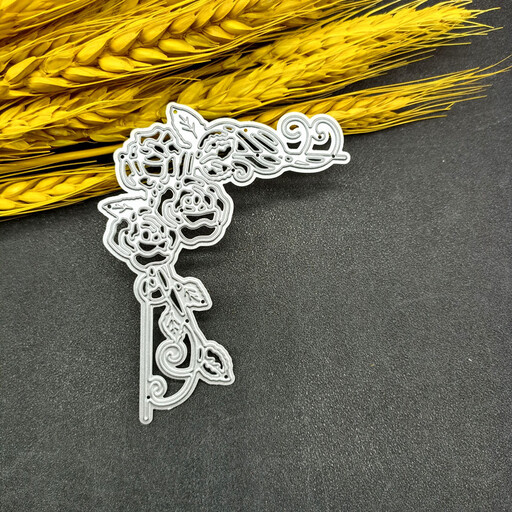
Why this product suits this profile: Its broad focus on scrapbooking, albums and card making makes it a good option for anyone who wants to try a variety of paper crafts. Before buying, check that the design and dimensions suit your machine.
The product name mentions both cutting and embossing. This makes it easier to check whether it suits your intended use and the equipment you already have before ordering.
Described as suitable for scrapbooking albums, decorative paper and card making; also listed as an embossing stencil.
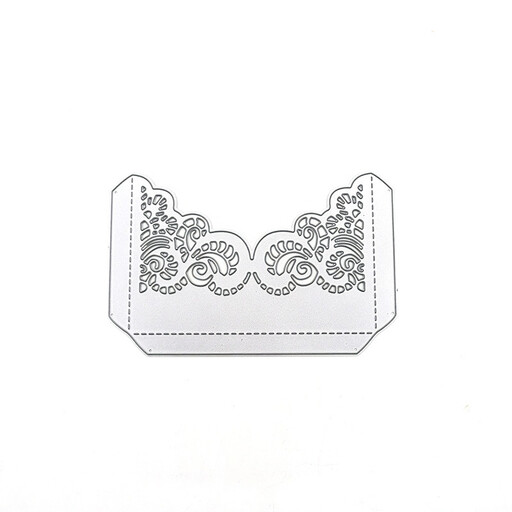
Why this product suits this profile: The set is described as featuring lace, floral and border designs. It’s a good fit for anyone who wants to combine different decorative details on invitations, photo albums and cards.
The product name clearly identifies the design types. This makes it easier to check in advance whether the set matches the style you have in mind for wedding cards or album pages.
The product name lists lace, floral and border designs, for invitations, photo albums, decorative embossing and scrapbooking.
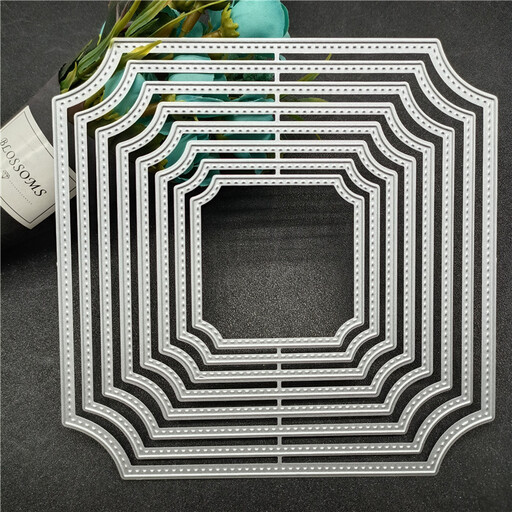
Why this product suits this profile: The set includes eight dies, giving you several frame options for cards, albums and regular paper-crafting projects. It’s a practical choice for crafters who often use different borders.
The number of pieces is clearly stated. This helps you decide whether you need several frame designs or just one.
Eight dies, according to the product name, with frame, floral and square designs for card making and scrapbooking.

Why this product suits this profile: An alphabet set is designed for names, initials, short greetings and numbers. The product name specifies 26 capital letters and 10 numbers.
The number of characters is clearly stated. Still, check in advance that the capital letters, numbers and available character height suit your card design.
The product name specifies 26 capital letters and 10 numbers; designed for scrapbooking, card making, paper crafts and decorative lettering.
We’ve put together a complete, regularly updated list of products that meet these strict selection criteria and fully comply with the safety regulations in force in the EU.
Only use materials that are suitable for your die-cutting machine and the die in question. With delicate designs, thinner paper may be easier to work with than very thick card. For a clean cut, align the paper straight and avoid feeding the die through the machine at an angle.
Store alphabet dies, frames and small individual pieces separately. If you use them often, a simple inventory list can help you spot missing letters or shapes quickly. Before making a large batch of cards, create a test piece first. This lets you check the size, paper thickness and overall look of the design before making several cards.
You’ll need a compatible manual or electric die-cutting and embossing machine. The plates allowed, material stack and types of dies that can be used vary by machine. Check your machine’s instructions and the details provided with each product.
It depends on the die, the card and the machine. Small, delicate designs can be harder to release from thick card. Start with a test cut and follow the maximum material thickness specified by the machine manufacturer.
A flat, dry, labelled storage solution helps prevent scratches, mix-ups and lost pieces. Alphabet dies can be sorted by letter, while frame and border dies can be grouped by design and size.