
Lieferung heute & morgen

Qualitätsgarantie

Willkommens-Angebote freischalten: KOSTENLOSE Lieferung | Bis zu 80 % RABATT | Kostenlose 30-Tage-JoyPlus-Testphase
App herunterladen
Metal cutting dies for scrapbooking are suitable for a wide range of creative paper crafts. They cut shapes from paper or card and, depending on the design, can also be used for embossing. Choosing one may seem straightforward at first, but unclear product details, unsuitable sizes or incompatibility with your die-cutting machine can lead to the wrong purchase.
This guide explains what UK crafters should look out for before buying, whether they’re choosing dies for card making, photo albums or decorative DIY projects.
A metal description doesn’t automatically tell you how thick a die is, how well it cuts or how long it will last. One of the products listed specifies carbon steel. Other listings don’t provide specific material details in the available product information. Before ordering, check that the material, dimensions and finish are clearly stated.
Not all metal dies work with every manual or electric die-cutting machine. Important factors include:
If this information isn’t available, don’t rely on guesswork. With intricate designs in particular, using the wrong plate combination can lead to uneven results or damaged paper.
Floral dies, frame dies and intricate designs can look larger in product photos than they are in practice. For cards, photo albums and scrapbook pages, the actual outer dimensions and the size of any inner spaces matter. Before buying, check that the design will suit your card size, album pocket or planned paper project.
When choosing metal dies for paper, look for a clear description of the cutting edge. Carbon steel is specifically listed as the material for one of the products mentioned. For other products, check the listing for details about the material, cutting edge and intended use.
For DIY paper crafts, it’s also worth asking:
Choose a design that suits your intended use. Frame dies, for example, work well for borders and focal points. Floral dies can create individual decorations for cards or album pages. For greetings cards, designs for specific occasions—such as candles, butterflies or wedding decorations—may be a better fit.
If you craft regularly, you could combine different categories:
A metal cutting die is primarily designed to cut shapes out. An embossing folder creates a raised pattern, while embossing stencils can be used for embossing or as a guide for decorative techniques, depending on their design. Product descriptions sometimes use several of these terms at once, so check the specific function on the product page before ordering.
The selection below groups different metal cutting dies by design and intended use. The available product information doesn’t include dimensions or machine compatibility for every item, so check these details before buying.
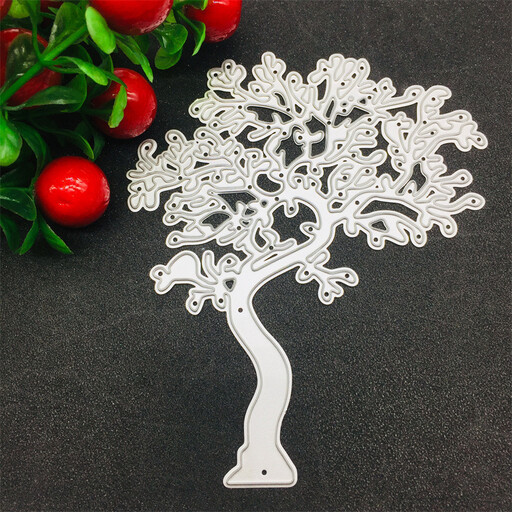
Why it suits this crafting style: The decorative tree design is intended for general scrapbooking projects, cards and paper decorations. The product name specifies carbon steel as the material.
The material is specified more clearly than with a general description such as “metal”. You should still check the dimensions and machine compatibility before buying.
Decorative tree design; made from carbon steel according to the product name.
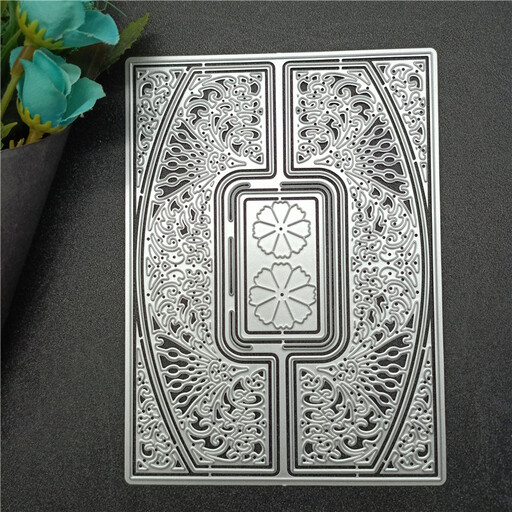
Why it suits this crafting style: This floral frame design combines a border with flower details, making it a good fit for cards, album pages and decorative paper projects.
The product name clearly identifies it as a frame design. You’ll still need to check the outer dimensions and whether it’s suitable for your machine before ordering.
Floral frame design; the product name lists card making, scrapbooking and embossing as intended uses.
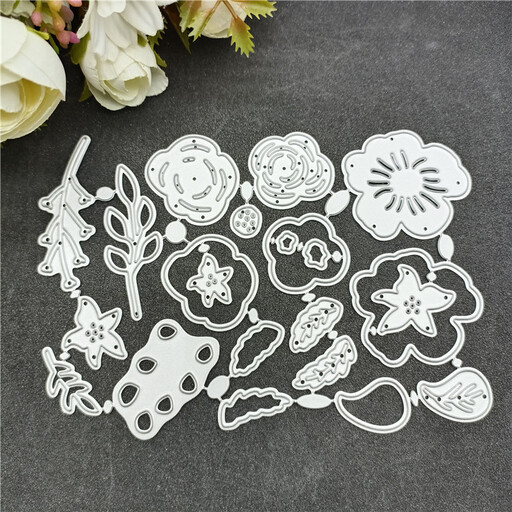
Why it suits this crafting style: The flower and leaf designs can be used across cards, photo albums and recurring scrapbook layouts.
The design is clearly described as featuring flowers and leaves. If you craft frequently, it’s also important to check the material, cutting size and plate combination required.
A combination of flower and leaf designs; the product name lists cards, albums and scrapbooking as intended uses.
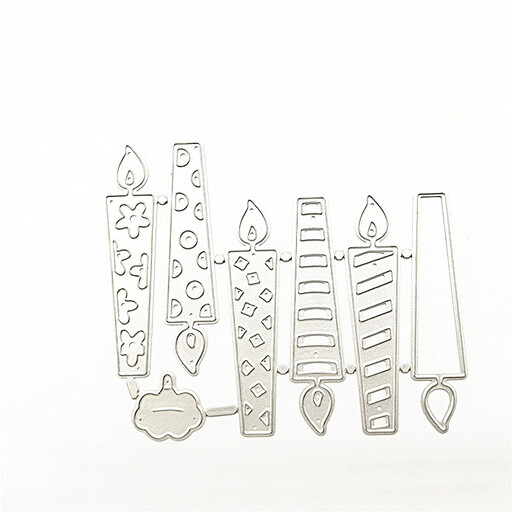
Why it suits this crafting style: The candle design is made for greetings cards, birthdays and other special occasions, and works well in themed paper crafts.
The product name clearly states the occasions it’s intended for. Still, check that the design’s size and level of detail suit your card-making plans.
Themed candle design; the product name lists greetings, birthday and wedding cards as intended uses.
We’ve put together a complete, regularly updated list of products that meet these strict selection criteria and fully comply with the safety regulations in force in the EU.
Before using a die for the first time, try it out with plain paper. This will help you check that it’s aligned correctly and that the plates you’re using are suitable for your machine. Very intricate scrapbooking dies can tear thin paper more easily, while heavier card may require a different plate combination.
After use, store metal dies somewhere dry and free from dust. Carefully remove any paper fibres. If you store several dies together, use dividers to protect them from scratches and bending.
It depends on the die and the machine you’re using. Thin craft paper is often easier to cut, while card makes sturdier cards and album decorations. Always follow the guidance provided for the product and machine.
No. The design, size and required plate combination can vary. Before buying, compare your machine’s specifications with the information provided for the die.
There’s no single answer. Their lifespan depends on factors including the material, how intricate the design is, paper weight, pressure and storage. Keeping dies dry and using them only with materials within their recommended limits can help protect their shape and cutting edge.