
Lieferung heute & morgen

Qualitätsgarantie

Willkommens-Angebote freischalten: KOSTENLOSE Lieferung | Bis zu 80 % RABATT | Kostenlose 30-Tage-JoyPlus-Testphase
App herunterladen
Metal cutting dies for scrapbooking let you create decorative cut-outs and embossed designs for greeting cards, photo albums, invitations and paper decorations. Choosing one may seem straightforward at first: pick a design, place your order and get started. In practice, unclear dimensions, missing compatibility information or a design that’s too specialised can quickly lead to the wrong purchase.
This guide explains what craft enthusiasts in the UK should look for before buying, and which card-making dies, scrapbooking dies and metal dies for paper may suit different needs.
Not every metal die works with every machine. Important factors include the die’s size, the pressure required and the material thicknesses recommended by the machine’s manufacturer. A product description that mentions “Embossing” or “Cutting Die” doesn’t automatically confirm compatibility with every machine.
Before buying, check:
Fine leaves, frames or lettering can be harder to cut from thick card. With very thin paper, on the other hand, small pieces may tear when you remove them. It’s best to test different paper thicknesses gradually. For a paper craft kit or card-making project, try a test cut before using your chosen paper for the finished design.
A large preview image tells you little about the actual size. Terms such as “3D”, “professional” or “high quality” are also of limited value without specific information about the material and dimensions. Look for clear details about the material, the number of dies included and the design size. The product details available for the items listed here are sometimes limited, so check the product page for dimensions and what’s included before you buy.
Depending on the product, metal dies may be made from materials such as steel or carbon steel. One item specifically names carbon steel in its product title. For other products, check the material details on the relevant product page. Look for a flat, neatly contoured die with no visible warping.
For regular use, the following features are worth considering:
A metal die isn’t a universal tool for every material. Unless the manufacturer states otherwise, it should mainly be used with paper, card and similar craft materials.
Smaller flower, butterfly and frame designs work well for cards. For scrapbook pages and photo album decorations, you can choose a larger design. Check that it will fit a standard card, an album page or a specific photo card format.
Frame dies, flower and frame dies and background dies can be used in a variety of ways. Themed designs, such as those for weddings or birthdays, are more closely tied to a particular occasion.
Not every embossing folder automatically creates a visible raised effect. Some metal dies are designed primarily for cutting, while others are specifically described as embossing stencils. For an even result, you’ll often need a suitable embossing mat or an accessory combination recommended by the machine’s manufacturer.
The products below are grouped by design and the intended use stated in their product titles. Check the product page for dimensions, material details and machine compatibility.
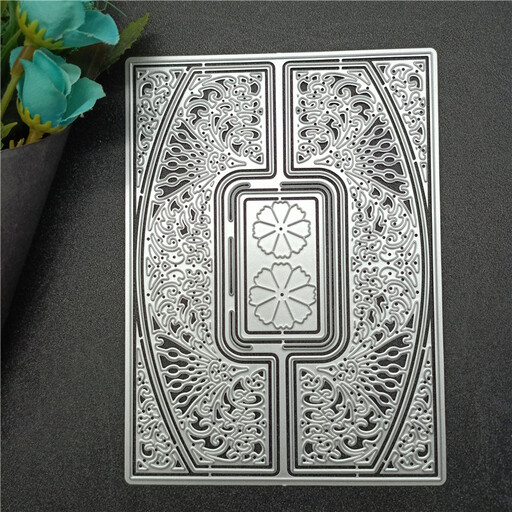
Why this product suits this user: The combination of floral and frame designs covers popular starter projects such as greeting cards, album pages and simple paper decorations.
The clearly identifiable design makes it easier to choose. Even so, check the dimensions and compatibility with your machine before buying.
Floral and frame designs; the product title states that it’s intended for card making, paper die-cutting and scrapbooking.
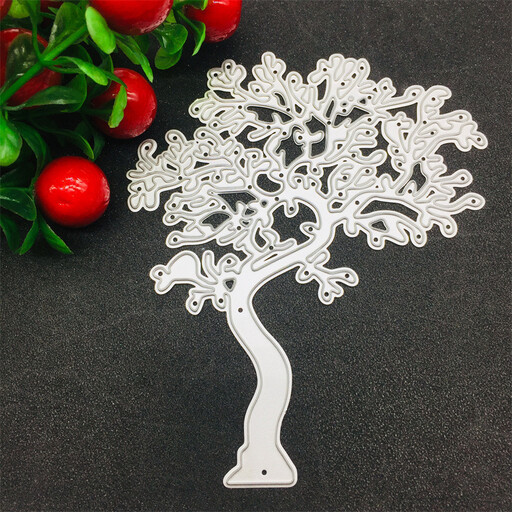
Why this product suits this user: Described as a decorative tree design made from carbon steel, this die is aimed at crafters looking for a clearly defined scrapbooking theme.
The material is specified more clearly than with a purely promotional quality claim. Check the size and machine compatibility before placing your order.
Carbon steel, according to the product title; a distinctive tree design for decorative album and paper projects.
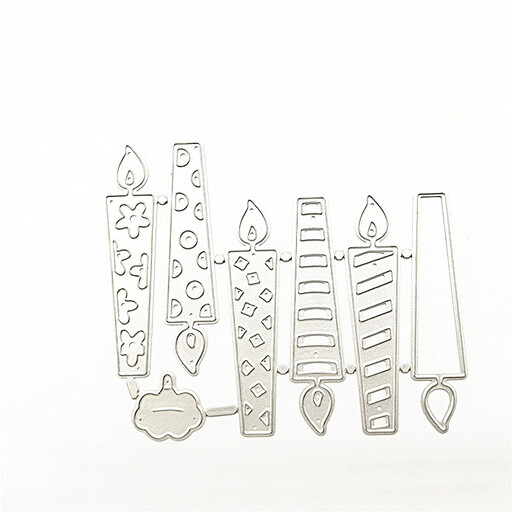
Why this product suits this user: The candle design is made for birthday, congratulatory and occasion cards, and complements themed card-making supplies.
Its specific theme helps you avoid buying a general design for a particular occasion. For more versatile projects, it’s worth adding a neutral design.
Birthday and congratulatory design; the product title states that it’s intended for cards, scrapbooking and embossing projects.
We’ve put together a complete, regularly updated list of products that meet these strict selection criteria and fully comply with the safety regulations applicable in the EU.
How long a die lasts depends on more than the metal it’s made from. How you use it also affects the results:
For DIY craft templates for photo albums, invitations or seasonal cards, it’s worth combining neutral frame designs with a few themed ones. That way, you can use your supplies across several projects.
It depends on the design, machine and manufacturer’s recommendations. Thin paper often works well for delicate details, while thicker card makes sturdier card elements. Start with a test cut and increase the paper thickness gradually.
No. Dimensions, pressure systems and plate configurations can vary. Before buying, compare the die’s details with your machine’s instructions. A general description such as “for scrapbooking” doesn’t guarantee universal compatibility.
Cutting dies are primarily designed to cut shapes from paper. Embossing dies, or metal dies described as being for embossing, can also create a raised effect, depending on the machine setup. You may need an embossing mat or other accessories.