
Lieferung heute & morgen

Qualitätsgarantie

Willkommens-Angebote freischalten: KOSTENLOSE Lieferung | Bis zu 80 % RABATT | Kostenlose 30-Tage-JoyPlus-Testphase
App herunterladen
Metal cutting dies for scrapbooking make it easier to recreate motifs for cards, photo album pages and paper decorations. At the same time, products vary considerably in motif size, complexity and machine compatibility. If you buy based solely on an attractive product image, you may end up with a die that is not compatible with your embossing machine or is difficult to remove from the paper when it features intricate details.
Not every metal die works with every machine. The die format, permitted material thickness and sandwich configuration specified by the machine manufacturer are all crucial. If this information is missing, check your machine’s instruction manual before buying. You may also need the correct cutting plate and an embossing mat.
Fine leaves, frames and lettering motifs often appear larger in product images than they are in actual use. Very narrow bridges can cause problems when used with heavyweight card or frequently. Buyers should therefore pay attention to specified dimensions, the number of dies included and the apparent line width.
A cutting die separates paper along an outline. An embossing die, on the other hand, creates a raised or recessed texture without cutting completely through the material. Some products are designed for both applications, while others are intended for just one. The product description should therefore clearly state whether the item is for cutting, embossing or a combination of both.
Metal dies should lie flat against the paper surface and have a clearly defined outline. For regular crafting, metal dies are generally more practical than thin paper templates, as they can be used repeatedly in a suitable machine. However, the term ‘metal’ alone says nothing about the exact alloy, coating or service life.
Look for:
Smaller motifs or frames are often sufficient for greetings cards. Larger background dies may be more suitable for photo albums and scrapbook pages. Measure the usable area of your project before ordering. For card-making dies, the edge spacing is also important to ensure that the motif does not extend beyond the fold or edge of the card.
Thin craft paper is generally easier to cut than thick card. When using several layers, textured paper or specialist materials, it may be worth carrying out a test cut. Only use materials and settings approved for your machine. Excessive pressure can damage both the die and the cutting plates.
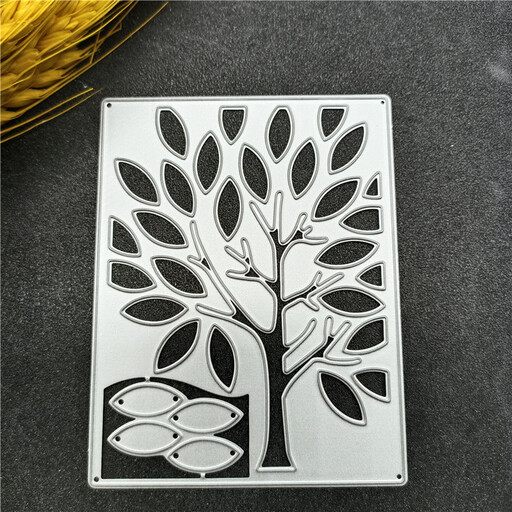
Why this product suits this profile: The leaf motif can be used for first cards, album pages and simple paper projects. It appeals to buyers looking for a clearly recognisable nature motif rather than an extensive specialist set.
The product name clearly describes it as a metal die for card making, scrapbooking and machine use. Check the machine format and exact dimensions before buying.
Leaf and branch motifs; according to the product description, designed for cutting and embossing in a scrapbooking machine.
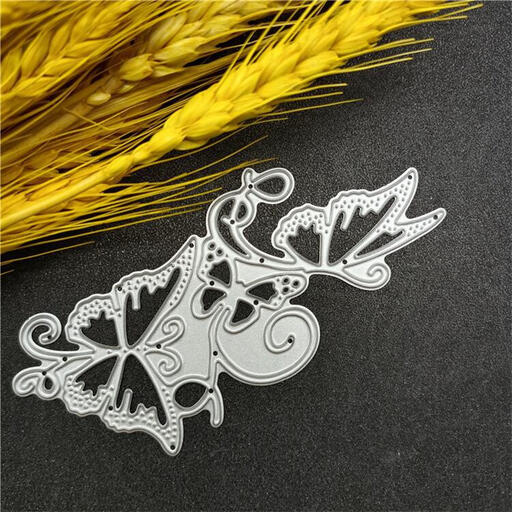
Why this product suits this profile: Described as a 3D background and frame, this die is ideal for users who want to create layered designs and textured surfaces for photo albums, cards and party decorations.
The product name states that it is intended for albums, cards, decorations, and party and wedding projects. Check the exact dimensions against your card format before ordering.
Frame and background motif; according to the product name, designed for metal die-cutting and paper decoration.
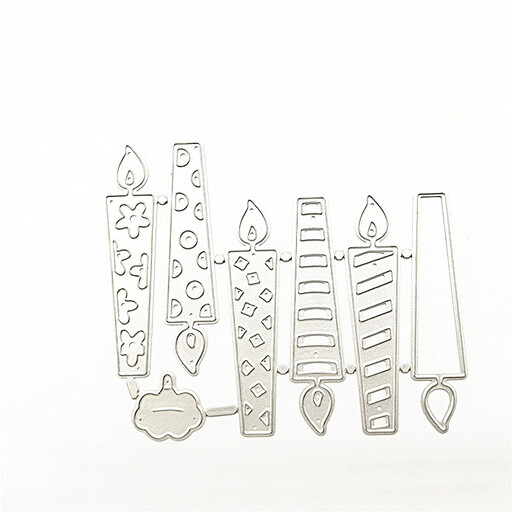
Why this product suits this profile: The candle motif is designed for congratulations, birthday and blessing cards. It is suitable for people who regularly create themed cards rather than neutral basic designs.
The stated purpose clearly defines the motif and helps prevent buying an unsuitable design. For weddings and birthdays, you should still check that the motif is suitable for your chosen card size.
Candle motif; according to the product description, intended for cutting and embossing, as well as for birthday and wedding cards.
Carefully remove paper scraps from the fine cut-outs after each project. A soft brush or a specialist storage system can help you keep the dies neatly organised. Store metal dies in a dry place. If you use them frequently, you should also check the cutting plates regularly for uneven surfaces.
For intricate crafting dies, thin, suitable paper can be used for a test run. If the motif does not come away completely, check the machine configuration first rather than applying additional pressure. This helps prevent damaged dies and unnecessary material waste.
If you are looking for motifs for different occasions, you can choose frames, stars, butterflies or specialist die templates for photo albums alongside floral designs. Themed designs for greetings card decoration and wedding and birthday dies are a practical complement to neutral basic frames.
We have put together a complete, regularly updated list of products that fully meet these strict selection criteria and the safety regulations applicable in the EU.
This depends on the machine and the individual die. Thin craft paper is usually easier to process. When using thicker card, follow the machine manufacturer’s instructions and check the product information. A test cut will show whether the outlines separate cleanly.
There is no reliable general usage period. It depends on the material, cutting edges, paper thickness, pressure setting and frequency of use. Clean plates, suitable materials and dry storage can help reduce wear.
Many metal dies require a compatible die-cutting and embossing machine. A simple handheld punch will not automatically work with metal dies. Before buying, check the machine format, the plates required and whether the chosen die is intended for cutting only or can also emboss.