
Lieferung heute & morgen

Qualitätsgarantie

Willkommens-Angebote freischalten: KOSTENLOSE Lieferung | Bis zu 80 % RABATT | Kostenlose 30-Tage-JoyPlus-Testphase
App herunterladen
Metal cutting dies are ideal for all kinds of creative paper crafts, from greeting cards and photo albums to decorative frames and floral designs. Choosing one may seem straightforward at first, but a few key differences can determine whether a die will prove useful for the long term.
Three common pitfalls are behind many disappointing purchases:
First, think about what you’d like to use your metal cutting dies for. Smaller individual designs work well for cards, while dies for photo albums or page backgrounds often need larger frames and all-over patterns.
It’s useful to sort designs by intended use:
Check the measurements of the design and compare them with your card size, album page or chosen paper. A design that’s too large may extend beyond the edge of a card, while one that’s too small could look lost on an album page.
When choosing craft dies for paper, the word “metal” isn’t the only thing that matters. The design’s outline and the fineness of its cutting lines are important too. Closely spaced lines generally need careful pressure adjustment and suitable paper.
Look out for:
For clean results, start with a test cut using a scrap piece. This lets you check the pressure, paper position and alignment before working on your card design or photo album.
For sets, the stated quantity is an important, objective factor to consider. A multi-piece set may offer several frame options, while a single design can be better suited to a specific project. Also check whether the listing describes an embossing die, a cutting die or a combination of the two.
You may need extra supplies, such as paper, adhesive and pens, to complete your DIY card-making projects. Self-adhesive thermal paper, for example, is useful for small photos, labels or notes, while gel pens can add highlights to dark card. These extras won’t replace the right metal cutting dies, but they can give you more ways to personalise your projects.
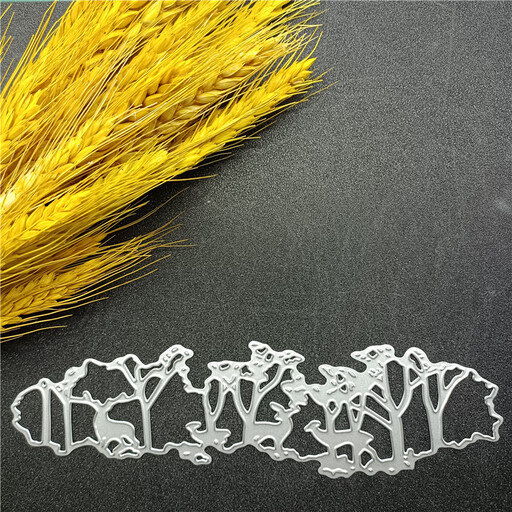
Why it suits this profile: The product name lists card making, scrapbooking, DIY albums and paper as intended uses. This makes it a versatile-sounding single tool for beginners.
The product title specifically describes a metal die and an embossing tool. Even so, check that it’s compatible with your machine and confirm the exact measurements before you buy.
Described for use with cards, albums and paper crafts; metal construction according to the product name.
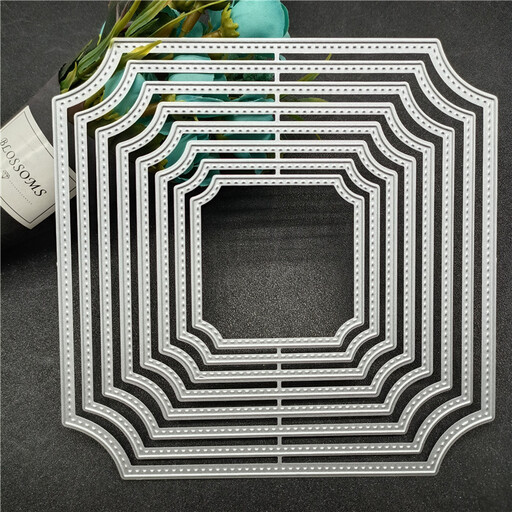
Why it suits this profile: The product name specifies a set of eight designs, including irregular and square frames. This gives you options for card borders, invitations and album decorations.
The stated set size makes it easier to understand what’s included than a product image alone. Check the measurements and compatibility with your machine before ordering.
Eight metal dies as stated; frame designs for cards and decorative paper crafts.
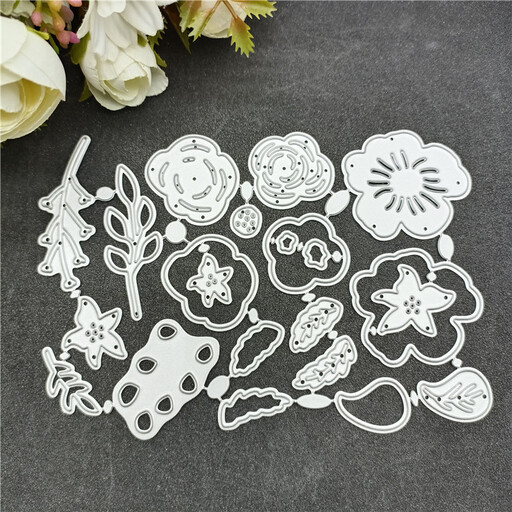
Why it suits this profile: Flower and leaf designs work well for greeting cards, nature-inspired themes and album pages. It’s a good option for crafters who regularly use floral elements.
The product name specifies the type of design, making it easier to choose a die that fits your project rather than buying a general set with no clear purpose.
Flower and leaf design according to the product name; described as a metal cutting die for cards, scrapbooking and paper crafts.
For extra decorative elements, you can browse scrapbooking paper. Choosing suitable paper makes it easier to match colours, thickness and finish.
We’ve put together a complete, regularly updated list of products that meet these strict selection criteria and fully comply with the safety regulations in force in the EU.
It depends on the die and the machine you’re using. Before buying, check the manufacturer’s guidance on compatibility, plate arrangement and the maximum recommended paper thickness. If this information isn’t available, check the product details or contact customer services.
Their lifespan depends on the material, paper, pressure setting and how well they’re cared for. Avoid applying too much pressure and using materials that the product information doesn’t recommend. Storing your dies in a dry, protected place also helps prevent corrosion and damage to fine cutting lines.
The right paper depends on the design and the machine. Thin paper is often easier to release, while card makes sturdier cards and album decorations. If you’re using glossy or self-adhesive paper, it’s best to test-cut first, as the finish and adhesive layer can affect the result.