
Lieferung heute & morgen

Qualitätsgarantie

Willkommens-Angebote freischalten: KOSTENLOSE Lieferung | Bis zu 80 % RABATT | Kostenlose 30-Tage-JoyPlus-Testphase
App herunterladen
Metal cutting dies for scrapbooking create precise designs from paper, card or similar craft materials. They are ideal for greetings cards, photo albums, journals, packaging and decorative DIY paper crafts. However, there is a wide range to choose from: product images often show intricate results, while important details about compatibility, material thickness or the actual size may be missing.
Buying without checking the details can lead to three typical mistakes:
A considered pre-selection helps you avoid disappointing purchases. The design itself is not the only important factor: the key is the combination of material, dimensions, intended use and machine compatibility.
Many listings refer to carbon steel cutting dies, metal dies or metal paper dies. Carbon steel is used for many cutting dies because it creates a firm, flat shape. However, the material description alone does not confirm whether a set is compatible with every machine or how easily a particular paper design can be removed.
You should therefore look for:
With embossing and cutting dies, you should also check whether the product only cuts or also embosses a pattern into the paper. Product names do not always use terms such as “Embossing”, “Cutting Dies” or “Stencil” consistently. Check the product description and images carefully.
For cutting dies used in card making, the overall dimensions are especially important. A frame design may cover the front of an entire card, while a small flower die may be intended for accents, layering or gift tags.
Before buying, check the following:
For alphabet and number dies, you should also check which characters are included. A set with 26 capital letters and 10 numbers is versatile for names, dates and headings in photo albums. For frequently used phrases, the size of each individual letter may be more important than the total number of pieces.
Metal cutting dies are generally used with a compatible die-cutting machine. The exact arrangement of the plates and cutting plates depends on the machine model. Always use the combination recommended by the machine manufacturer and do not exceed the suggested material thicknesses.
For beginners, simple designs with clear outlines are usually easier to handle. Experienced crafters can combine intricate flowers, leaves, frames or lace patterns with several layers of paper. When working with very fine details, the following steps may help:
This helps reduce paper jams, torn edges and unnecessary material waste.
The following selection groups specific designs according to typical use cases. The details are based on the supplied product names and images. Check the size, machine compatibility and contents of each set on the relevant product page before buying.
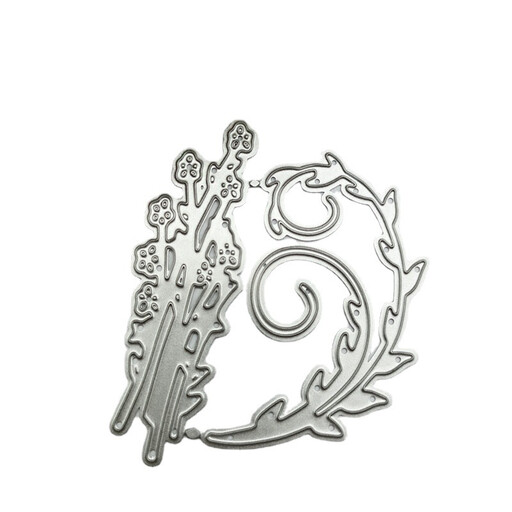
Why this product suits this profile: The design combines leaves, flowers and grass, giving you several nature-themed motifs for cards, album pages and simple paper decorations.
The clearly named group of motifs makes it easier to choose than listings featuring vague collections of images.
Nature-themed designs; according to the product name, intended for cutting and paper embossing.
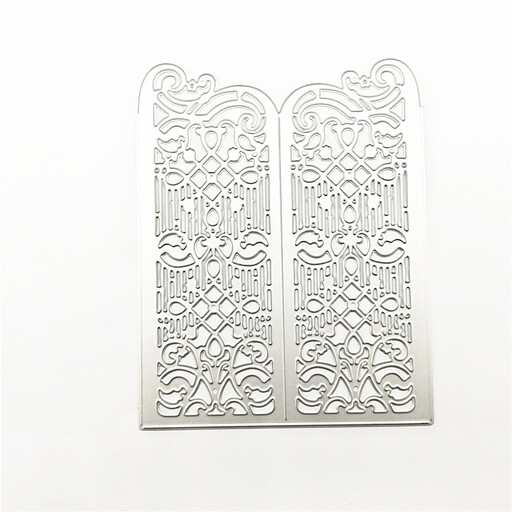
Why this product suits this profile: The description mentions several uses: cards, journals, photo albums and decorations. This makes it easier to match the set to a wide range of craft projects.
The stated cutting and embossing functions highlight the need to check your preferred technique and machine compatibility before buying.
Suitable for several paper craft projects; combines cutting and embossing according to the product description.

Why this product suits this profile: The set includes 26 capital letters and 10 numbers. This makes it suitable for names, headings, birthdays and dates on albums or cards.
The explicitly listed character set means you will not discover after buying that important letters or numbers are missing.
26 capital letters; 10 numbers according to the product name; suitable for decorating text and dates.
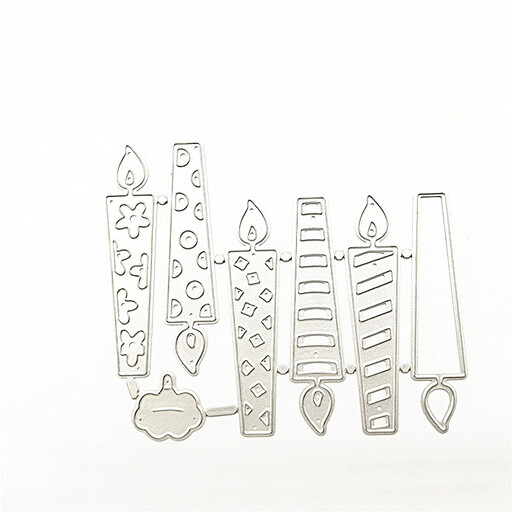
Why this product suits this profile: The candle design is aimed at congratulations, birthday and wedding cards, making it ideal for projects with a specific theme or occasion.
The specific motif description reduces the risk of buying a general-purpose set when you need a design for a particular occasion.
Candle design; according to the product name, intended for congratulations, birthday and wedding cards.
We have put together a complete, regularly updated list of products that fully meet these strict selection criteria and the safety regulations applicable in the EU.
The service life of scrapbooking dies depends on the material, paper, pressure setting and care. Without specific manufacturer information, it is not possible to give a reliable general lifespan. Do not cut materials that are not expressly intended for the particular die or machine. Adhesive residue and paper fibres should be removed carefully. Dry storage, ideally sorted by motif group, helps protect the dies from bending and makes them easier to use later.
If you work on projects regularly, an organising system based on categories such as flower dies, frames, letters, numbers, borders and seasonal designs is worthwhile. This helps you avoid buying several dies with almost identical uses.
You will generally need a compatible manual or electric die-cutting machine. Before buying, check the machine manufacturer’s specifications for plate configuration, format and material thickness. The product name alone does not confirm universal compatibility.
There is no general answer. The deciding factors are the specific die, the recommended material thickness and the machine being used. Test new paper with a small section first and avoid applying excessive pressure.
Flat magnetic sheets, labelled transparent sleeves or storage boxes are suitable for keeping your dies organised. Store the dies in a dry place and keep alphabet and number dies separate from intricate flower or frame designs so that no pieces get lost.