
Lieferung heute & morgen

Qualitätsgarantie

Willkommens-Angebote freischalten: KOSTENLOSE Lieferung | Bis zu 80 % RABATT | Kostenlose 30-Tage-JoyPlus-Testphase
App herunterladen
Metal cutting dies make decorative paper projects easier when the design, size and die-cutting machine are a good match. However, unclear product descriptions and missing measurements can often lead to disappointing purchases. If you’re looking for dies for card making, photo albums or greeting cards, don’t rely on the product image alone.
Not every metal die will fit every machine. The key factors are the size of the die, the permitted material thickness and the configuration of the cutting plates you use. With manual machines, a die that’s too large or too thick can produce uneven cuts. Before buying, check the machine compatibility information and any accessories required.
A design may look just right in the product image, but turn out to be too small for a greeting card or too large for a photo album. For frame dies, flower dies and delicate background designs in particular, length, width and the number of dies included are important points to check.
Metal cutting dies cut a design out of paper, while embossing folders or embossing plates mainly press a texture into the paper. Some listings use both terms. Check whether the set actually cuts, embosses or does both. The exact function also depends on the machine and paper you use.
A metal die should lie flat and have a clearly defined cutting edge. Carbon steel is often listed as the material, as it is for the “Big Tree Metal Die Cuts”. For other products in this selection, the available details only mention metal. Always check the material description on the product page.
For regular card making, sturdy dies with a clear outline are a practical choice. Very delicate designs can look decorative, but usually need thinner paper, correctly adjusted plates and, in some cases, more than one pass through the machine.
If you’re looking for dies for photo albums, also check that the cut-out design will lie flat enough on the album page. For cards, choose a design size that works with the card format and the style of decoration you want.
The right paper thickness depends on the design, machine and cutting plates. Thin craft paper is usually easier to release from the die, while thicker card may need more pressure. Before making a larger batch, test the die with the paper you plan to use.
Also remember to:
The selection below groups different scrapbooking dies by typical use. Before buying, check the available product information for dimensions, what’s included and compatibility with your machine.
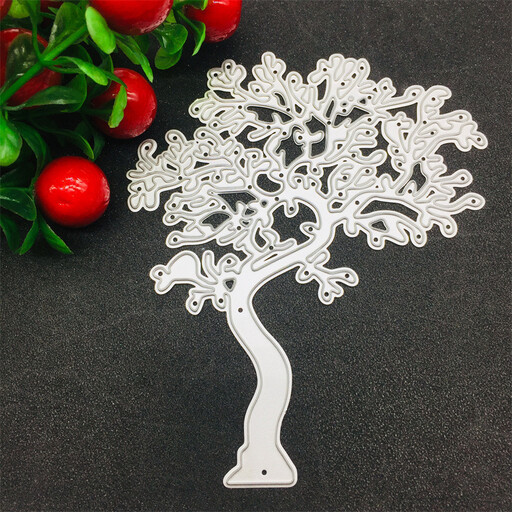
Why it suits this profile: The tree design is ideal for simple nature-themed decorations and album pages. The product name specifies carbon steel, giving you a useful detail to consider when choosing.
A clearly specified design removes some of the guesswork associated with mixed sets that have vague descriptions. Still, check the size and whether it fits your machine before buying.
Tree design; carbon steel according to the product name; made for scrapbooking and DIY paper crafts.
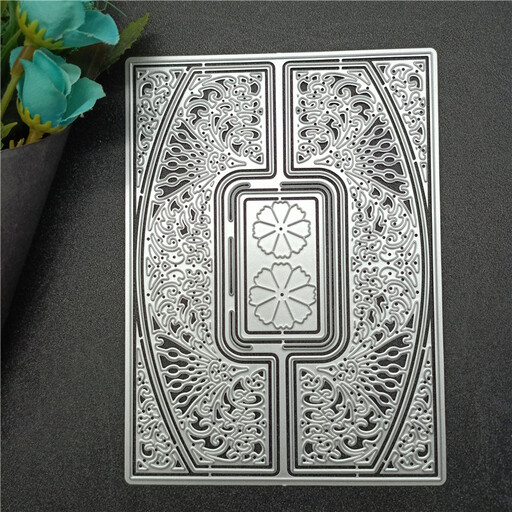
Why it suits this profile: The frame design combines floral details with card making. It’s a good fit if you like to consider the design, cutting function and potential embossing use separately before you buy.
The product name mentions a frame, a flower pattern and card making. Confirm the dimensions and whether it really embosses before buying.
Floral frame design; described as suitable for cards, paper and scrapbooking machines.
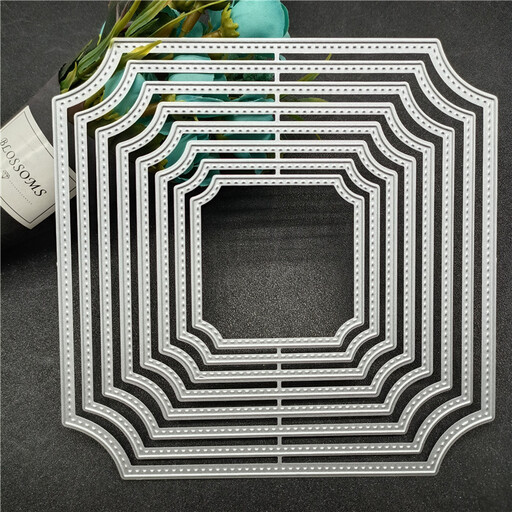
Why it suits this profile: The set of eight dies offers several frame styles for wedding cards, scrapbook albums and projects you make regularly.
Having several frame designs means you’re not limited to just one motif. Check exactly what’s included and the dimensions of each die.
Eight dies according to the product name; flower and square frame designs; made for cards and albums.
We’ve put together a complete, regularly updated list of products that meet these strict selection criteria and the safety regulations in force in the EU.
After cutting, carefully remove any paper scraps. A soft brush can help clear delicate cut-outs. Store metal dies in a dry place and avoid keeping them loose with damp craft materials. If you use them often, a flat organiser box labelled by design and size is a good choice.
It depends on the die-cutting machine, the die and the design. Thin paper is usually easier to release from delicate dies. For thicker card, use the plate combination recommended by the machine manufacturer. A test cut helps avoid wasting paper.
No. Differences in working area, plate thickness and pressure systems can affect whether a die will work. Before buying, compare your machine model with the die size and the seller’s guidance.
There’s no set lifespan that applies to every die. It depends on the material, cutting pressure, paper type, care and storage. For regular use, storing dies flat and dry and choosing a suitable paper thickness all help them perform consistently.