
Lieferung heute & morgen

Qualitätsgarantie

Willkommens-Angebote freischalten: KOSTENLOSE Lieferung | Bis zu 80 % RABATT | Kostenlose 30-Tage-JoyPlus-Testphase
App herunterladen
Metal cutting dies for scrapbooking let you create decorative designs for cards, photo albums and paper projects. Choosing one may seem straightforward at first, but some listings can lead to unnecessary mistakes: the design may not fit your die-cutting machine, fine details may be difficult to release, or the die may be better suited to embossing than cutting all the way through.
This guide explains what crafters, card makers, parents and educators should look out for before buying. It focuses on practical criteria rather than general marketing claims.
Not every metal die works with every machine. Key factors include:
Some listings don’t provide specific compatibility details. Before buying, check your machine’s instructions and compare them with the product description. If no machine brand is mentioned, only order the die if the manufacturer’s information confirms that your device works with similar metal dies.
Terms such as embossing, embossing folders, paper cutting dies and ‘die cuts’ are sometimes used alongside one another in product listings. However, they can refer to different functions:
A product name alone doesn’t guarantee that a die offers all the functions mentioned. Check whether the listing specifically refers to ‘cutting’, ‘die cuts’ or ‘embossing’, and find out what accessories are required.
Floral dies, lettering and delicate frames can look decorative, but they often need suitable paper and even pressure across the die. Very thin paper may tear when you remove it; thicker card may need to go through the machine more than once. For everyday use, the design’s size, line width and number of small cut-outs matter more than an elaborate-sounding product name.
The cutting edges of metal dies should be evenly shaped, with the design clearly defined. A precise outline can help you release the paper more cleanly. As the product details available here don’t specify a particular metal alloy or material thickness, don’t assume either.
Look for:
For metal dies for card making and craft dies, it’s also worth checking whether the design is a single shape or a frame with inner and outer outlines.
The size determines whether a die is suitable for a greeting card, mini album or larger scrapbook page. If the product description doesn’t give exact measurements, check the dimensions before ordering or measure the space available in your project.
Common uses include:
Paper with an even texture usually gives the cleanest results. For very intricate designs, light- to medium-weight craft paper may be easier to work with than very thick card. After die-cutting, remove any paper scraps gently. A soft brush or specialist tool can help without putting unnecessary strain on the cutting edge.
Store metal dies somewhere dry and separately from loose craft materials. This helps protect their outlines and makes small dies less likely to go missing.
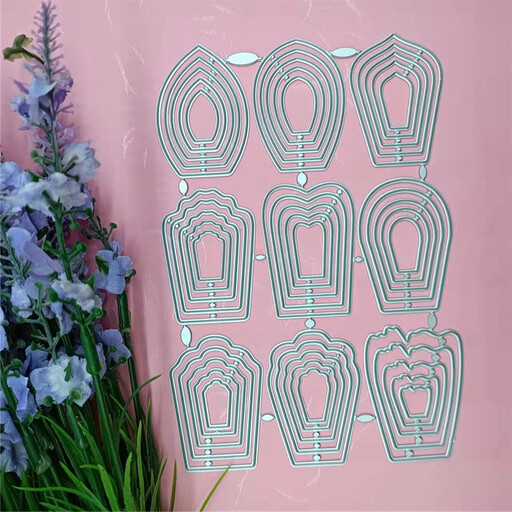
Why this product suits this profile: Its broadly described design category makes it a good option for beginners who want to try different paper cards, albums and DIY projects without committing to a seasonal theme straight away.
The product name lists paper, cards, albums and decoration as possible uses. You should still check the machine compatibility and dimensions separately before buying.
A wide range of suggested uses; designed as a metal die for paper and card projects.
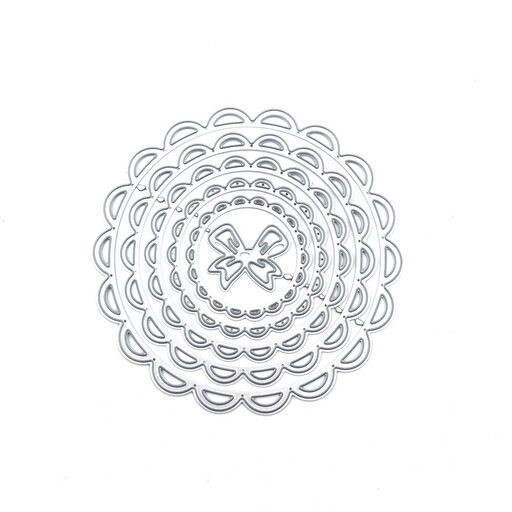
Why this product suits this profile: Frame dies are a good fit for card makers and scrapbooking fans planning neat borders, backgrounds and layered paper designs.
The name specifically refers to frame and embossing dies. This makes them less likely to be confused with dies for individual shapes, but you’ll still need to check your machine’s requirements.
A frame design for cards, paper crafts and scrapbooking, with embossing also listed as a use.
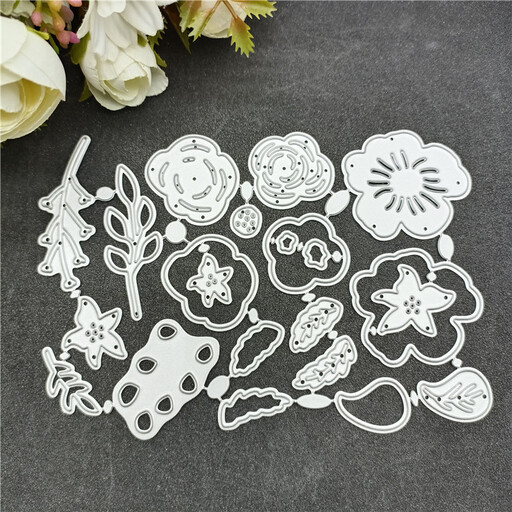
Why this product suits this profile: The flower and leaf design is well suited to repeat album decoration, floral card collections and paper projects you can enjoy all year round.
The flower and leaf design makes the intended style clear. For intricate shapes, consider the paper thickness and how easily the individual pieces will release before you start.
Floral designs with leaves; listed for card making, scrapbooking, paper crafts and album decoration.
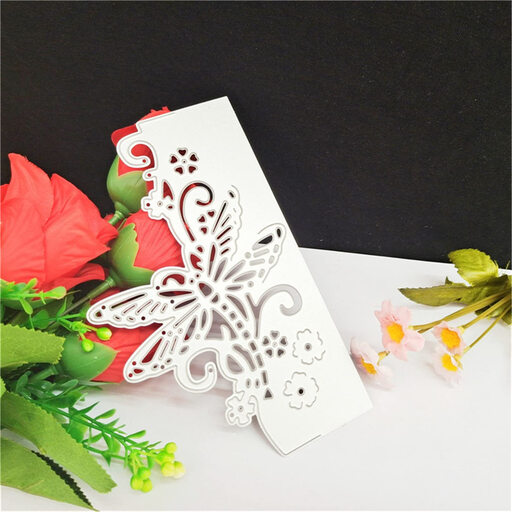
Why this product suits this profile: Its clearly seasonal design is ideal for Christmas cards, gift wrapping and winter album pages if you’re specifically looking for Christmas dies.
The seasonal theme is clear from the product name. This helps you avoid choosing a general design when you’re planning Christmas projects specifically.
A seasonal Christmas design; the product name lists cards, paper crafts, backgrounds and album decoration as possible uses.
We’ve put together a complete, regularly updated list of products that meet these strict selection criteria and fully comply with the safety regulations in force in the EU.
It depends on the design and your die-cutting machine. Thin paper is often easier to release from intricate dies, while thicker card makes for sturdier card fronts. If your design has very small cut-outs, try a test cut with your chosen paper first.
There’s no set lifespan. It depends on the material, the design of the cutting edge, how much paper you cut, the thickness of the card and the machine you use. Avoid materials that the manufacturer hasn’t approved for the die, and store your dies somewhere dry and protected.
You’ll generally need a compatible die-cutting machine and the right plates. The combinations supported vary from one device to another. Before buying, check the instruction manual and compare the die size, plate configuration and approved materials.