
Lieferung heute & morgen

Qualitätsgarantie

Willkommens-Angebote freischalten: KOSTENLOSE Lieferung | Bis zu 80 % RABATT | Kostenlose 30-Tage-JoyPlus-Testphase
App herunterladen
Decorative metal cutting dies can add precise details to scrapbook pages, greetings cards and invitations. But the design isn’t the only thing to consider when buying. The key points are whether the die is suitable for your machine, its actual dimensions, and whether it’s designed for cutting, embossing or both.
Not every metal cutting die is compatible with every machine. Many listings mention “card making” or “scrapbooking”, but don’t clearly specify the machine format, plate thickness or pressure required. Before ordering, check:
If this information isn’t provided, it’s difficult to avoid having to test the die before buying.
A delicate frame might look large in the product image, but be too small for a standard card. For dies designed for photo albums, it’s also important to check whether the design will fit a full page, a card panel or just a small decorative area. Look for:
Lace border dies are often useful for wedding invitations and greetings cards, while larger frames are better suited to album pages or photo mats.
Fine lines and small cut-outs can look decorative, but they need suitable paper and careful removal. Very thin paper may tear when you release the cut, while heavily textured card may not cut all the way through. Check whether the seller provides information about paper thickness, materials and machine compatibility.
The product information for the items featured here mainly describes the design and its intended use. Details such as the specific metal alloy, cutting thickness and compatible machines aren’t fully specified. Check these points on the relevant product page before buying.
“Metal” is a general description of the material, and on its own it doesn’t indicate how long a die will last. For regular DIY paper crafting, an even shape, clean cutting edges and a flat back are important. Visible warping, burrs or uneven edges can make it harder to remove the paper.
Store your dies in a dry, closed box. Remove paper fibres and adhesive residue carefully. Don’t put the dies in the dishwasher or store them somewhere damp for long periods.
For cards and photo albums, compare the dimensions of the design with your planned project. For example, a rectangular floral frame could work as the focal point of a card, while an edge die is better for borders or repeating patterns.
Particularly versatile options include:
A cutting die cuts through the paper along a defined outline. An embossing die, by contrast, creates a raised design without cutting all the way through the material. Some listings use both terms, even though the actual function depends on the machine, plate combination and paper.
If you want to use a die as an embossing stencil, check whether it’s explicitly described as suitable for embossing and what accessories are needed. Very delicate patterns may behave differently on a thin sheet of paper than on sturdy card.
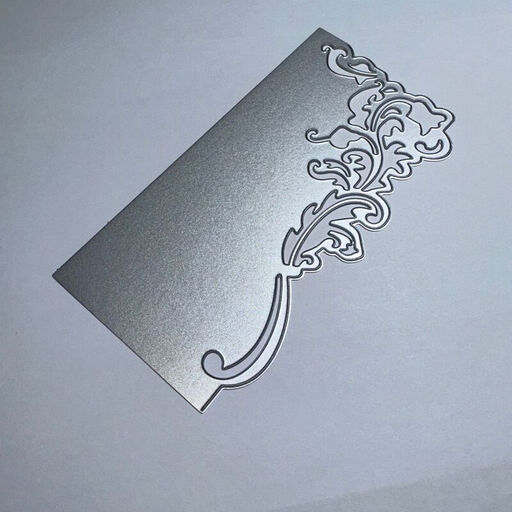
Why it suits this profile: The selection of small themed designs could be a good fit for your first cards, album pages or decorative paper projects. Check the actual dimensions and compatibility with your machine before buying.
The product name mentions both card making and album decoration. As no paper thickness is specified, check this before use.
Several named themes; designed for cards, scrapbook albums and decorative paper crafts.
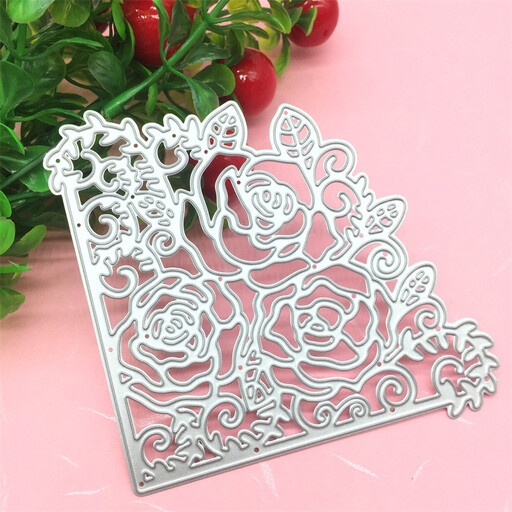
Why it suits this profile: The corner and frame design is intended for neatly laid-out cards, photo mats and album pages. It’s a good choice if you like to plan your layout in detail before buying.
The design is described as a frame with floral corners. Even so, check the inner and outer dimensions, as well as whether it’s suitable for the embossing effect you want.
Frame and corner design with an Art Deco feel; listed for scrapbooking and DIY projects.
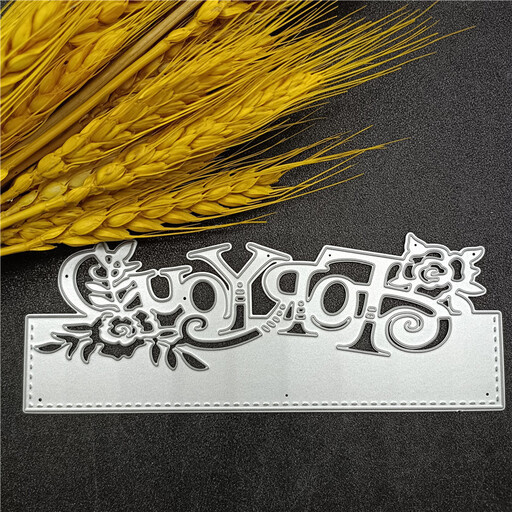
Why it suits this profile: The edge design is made for wedding invitations, card borders and repeating patterns. If you’re making a larger batch, it’s worth testing the die first with the paper you plan to use.
The product description specifically mentions a floral border and use for invitations. Check the width and machine compatibility before buying.
Floral border design; described as suitable for DIY scrapbooking and wedding cards.
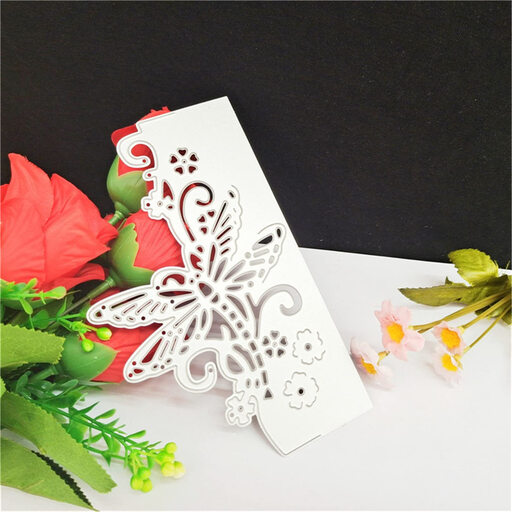
Why it suits this profile: This seasonal design is for anyone planning to make Christmas cards, gift decorations or themed album pages.
The description doesn’t clearly distinguish the seasonal design from the embossing function. Check which plate combination your machine requires.
Christmas design; the product name indicates that it’s intended for cards, album decoration and background embossing.
We’ve put together a complete, regularly updated list of products that meet these strict selection criteria and fully comply with the safety regulations in force in the EU.
For beginners, clearly defined frames, labels and larger floral designs are usually easier to use than very delicate lace patterns. The most important thing is compatibility with your die-cutting machine. A test cut on standard craft card will help you work out how much pressure is needed.
It’s not possible to give a reliable lifespan without information about the metal quality, frequency of use and pressure exerted by the machine. Storing the dies in a dry place, using suitable paper thicknesses and choosing the right plate combination can help reduce unnecessary wear. Remove any adhesive residue promptly.
It depends on the die and machine system. Some products are described as both cutting and embossing stencils, but may require a separate embossing plate or a different plate sandwich. Check the manufacturer’s instructions before use and start with a test piece.