
Lieferung heute & morgen

Qualitätsgarantie

Willkommens-Angebote freischalten: KOSTENLOSE Lieferung | Bis zu 80 % RABATT | Kostenlose 30-Tage-JoyPlus-Testphase
App herunterladen
Metal cutting dies make it easier to create photo albums, greeting cards and paper decorations. However, an attractive product image doesn’t guarantee a useful set. What matters is the actual design, whether it works with your die-cutting machine and how you plan to use it.
Sets with lots of dies can look especially versatile at first glance. But if most of them are tiny, similar designs, many may end up unused. Before you buy, check:
For regular projects, clearly defined flower dies, leaf dies or frame dies are often more practical than a set full of individual designs that are hard to combine.
Product descriptions often mention cutting and embossing together. However, depending on its design, a metal cutting die may be intended mainly for cutting. To create a clearly visible embossed impression, you may need a suitable embossing mat, extra plates or a machine with the right setting.
Check the manufacturer’s instructions and make sure your machine can handle the die’s size and material thickness. If this information isn’t available, don’t assume the die will work with every machine.
Very thin paper may tear or warp when die-cut. With self-adhesive or coated paper, adhesive residue may stick to the die. The Pelikan Glossy Paper Gummed, 10sheets included in this selection has a gummed back and a glossy surface. According to the product description, you activate the backing with water. For precise results, use water sparingly: too much can make the paper buckle or cause some of the colour to run.
A consistently made cutting edge is important for metal scrapbooking dies. The available product information describes these as metal dies or metal cutting dies. Details such as the metal alloy, thickness or hardness aren’t provided for every model, so don’t assume these specifications.
Things to look out for include:
Not every die will fit every die-cutting or embossing machine. Before ordering, check:
These checks apply equally to card-making dies, paper embossing folders and scrapbook album dies.
Compact designs work well on cards, adding a border, a sentiment or a focal point. Larger frames, branches and background borders are useful for photo albums. For DIY paper crafts with changing themes, you can combine flowers, leaves and seasonal designs.
It’s worth planning ahead before you buy. What size paper do you use? Will you use the design on its own, as a frame or as a repeating pattern? Answering these questions can help you avoid buying a die that looks decorative but doesn’t suit your project.
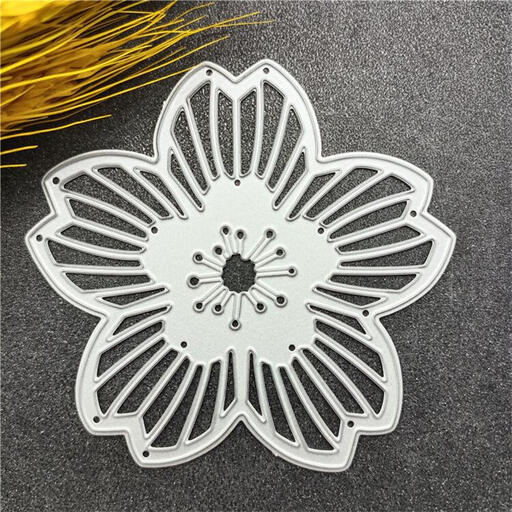
Why this product suits you: The flower design is aimed at beginners who want to start making cards and small paper projects around a recurring theme.
The clearly defined flower theme makes it easier to choose a specific use for the die, rather than buying a set of assorted designs that are hard to navigate.
A metal die for card-making and scrapbooking, with a flower design for decorative paper crafts.
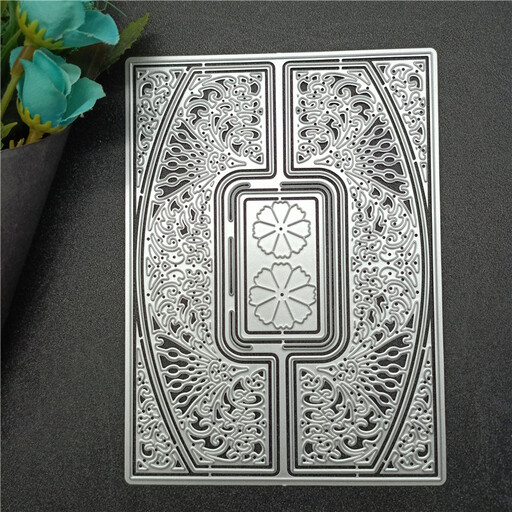
Why this product suits you: The frame design is made for structured card layouts and decorative panels where a balanced look matters.
The product name clearly identifies it as a frame design, making it easier to check that it will suit your card size before you buy.
A frame and flower design for card-making, paper decorations and scrapbook projects.
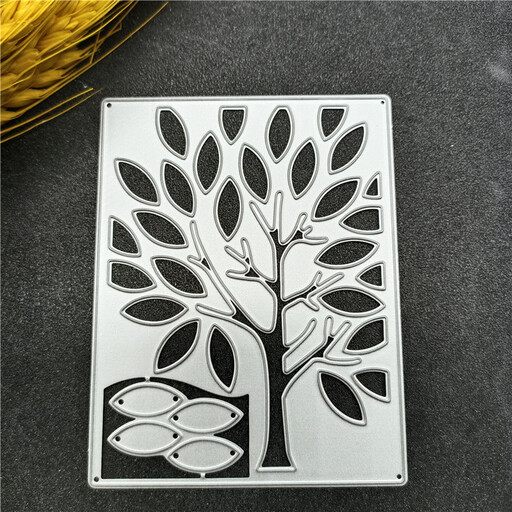
Why this product suits you: Branches and leaves complement floral cards, album pages and repeating borders, making them a versatile nature-inspired choice.
The design isn’t limited to a single occasion. Even so, check the die’s size and compatibility with your machine before buying.
Leaf and branch designs for cards, photo albums and decorative paper projects.
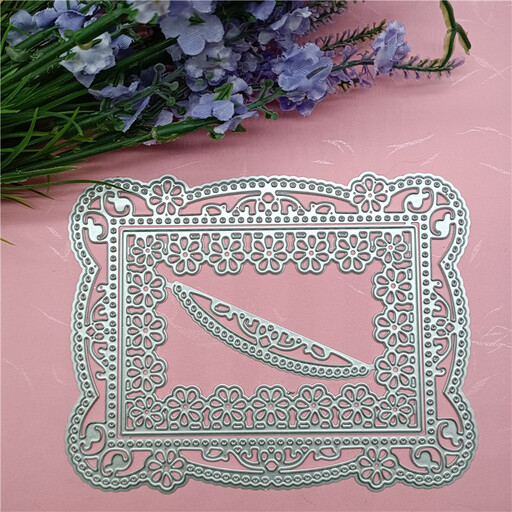
Why this product suits you: The frame shape, as stated in the product name, is useful for creating page layouts, photo mats and decorative borders in albums.
As a picture frame die, it’s less likely to be mistaken for a standalone motif when you’re creating a framed layout.
A metal frame die for photo albums, cards and paper decorations.
We’ve put together a complete, regularly updated list of products that meet these strict selection criteria and the safety regulations in force in the EU.
It depends on the dimensions and design of the die. Check your die-cutting machine’s instructions and the recommended plate combination. Don’t force a die through the machine using excessive pressure. If compatibility details aren’t available, it’s worth contacting the seller.
There’s no standard lifespan. It depends on the material, cutting edge, paper thickness, frequency of use and machine settings. Storing dies in a dry place, removing paper fibres and using suitable materials can help them last longer. Don’t continue using bent dies with increased pressure.
Craft paper, lightweight card and specialist scrapbooking paper are commonly used. The paper weight needs to be suitable for both the die and the machine. If you’re using glossy or gummed paper, it’s a good idea to try a test cut first. This lets you check whether the edges are clean and the design releases without damage.