
Lieferung heute & morgen

Qualitätsgarantie

Willkommens-Angebote freischalten: KOSTENLOSE Lieferung | Bis zu 80 % RABATT | Kostenlose 30-Tage-JoyPlus-Testphase
App herunterladen
As a Joybuy Product Recommendation Officer, I see every day how the right tools bring creative ideas to life. Metal die cuts, in particular, have become indispensable for paper crafting. However, the market is flooded with options, and not every die delivers the desired intricate result. Many crafters invest in designs that later prove to be unusable.
This guide highlights the crucial quality features and helps you avoid common purchasing mistakes. We will focus on the technical aspects that separate a clean cut from a frustrating experience.
Before you buy your next scrapbooking supplies, you should be aware of the following three weaknesses, which often only become apparent when you use them at home:
To avoid these problems, you should check three technical aspects before buying. These define the durability and functionality of your crafting dies.
The material is the most critical factor for the sharpness and durability of a die cut. Look for products explicitly made from carbon steel. This material offers high hardness, which allows the cutting edges to be ground to be extremely sharp and precise.
Every die-cutting machine works with a specific "sandwich" of plates and the die. The total height of this stack determines the pressure. Therefore, always check the thickness of the metal dies for crafting. Standardised dies are typically between 0.8 mm and 1.2 mm thick, making them compatible with most machines. If in doubt, measure the maximum clearance height of your machine.
Particularly intricate embossing and cutting dies can be a challenge when the cut-out paper gets stuck in the die. High-quality dies incorporate a simple but effective solution for this: small holes on the back.
Based on the criteria mentioned above, we have selected some products from our range that are suitable for different creative needs.
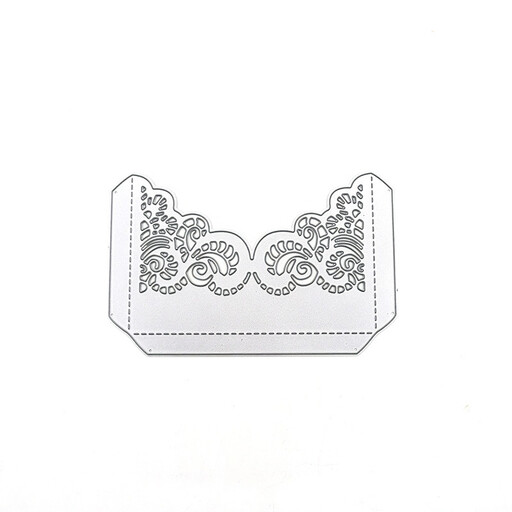
Why this product is a good fit: This set offers a selection of versatile designs like flowers and borders. It's ideal for crafters who want to try out different styles without committing to a single, expensive design.
The designs are clearly defined and not overly complex, which minimises the risk of messy cuts and difficult weeding for beginners.
Provides a good foundation of different designs for various occasions like birthdays or invitations.
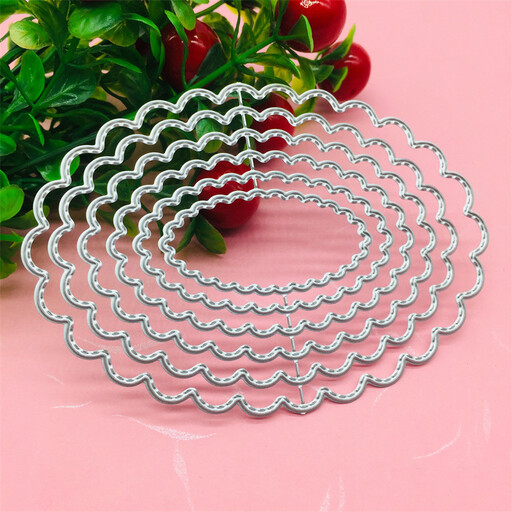
Why this product is a good fit: Ideal for crafters who focus on creating greeting and invitation cards. The "nesting" principle (interlocking shapes) allows for the creation of multi-layered, professional-looking frames.
The shapes are designed for standard card sizes, which avoids the problem of incompatibility. The sturdy construction ensures consistent results.
Creates precise, interlocking layers for a high-quality 3D effect on cards.
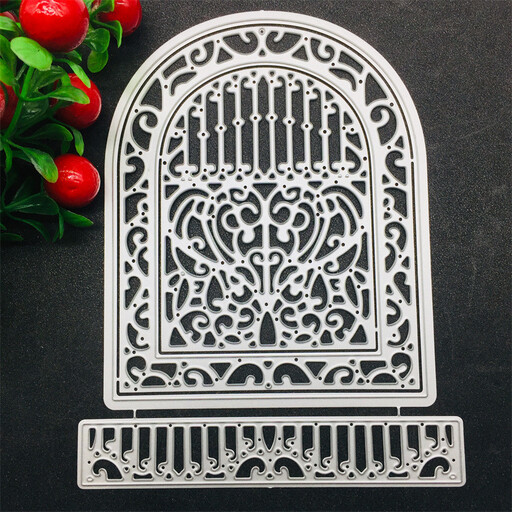
Why this product is a good fit: For creative minds who want to add unique, thematic accents to their scrapbooks or elaborate cards. This set creates detailed window and door elements that serve as a focal point.
Despite the intricate details, the carbon steel construction provides the necessary stability and sharpness to cut complex contours cleanly and prevent material warping.
Enables the creation of interactive or multi-dimensional scrapbook pages and invitation cards.
We have curated a comprehensive selection of tools that meet the quality criteria described here. Find the perfect accessories for your next project.
1. How do I properly clean my metal die cuts? Carefully remove large paper scraps with tweezers or a special weeding tool. For stubborn small particles, a stiff brush (like a toothbrush) works well. Wipe the die with a dry cloth after use to remove moisture and fingerprints and to prevent rust.
2. What types of paper are suitable for die cuts? Most cutting dies work well with paper and cardstock in a weight range of 120 g/m? to 220 g/m?. For very intricate designs, a slightly thinner paper may produce cleaner results. It is always recommended to do a test cut with your chosen paper before starting the actual project.
3. My die isn't cutting all the way through, what can I do? First, check the correct arrangement of the plates (the "sandwich") according to your die-cutting machine's instructions. Often, adding a thin piece of cardstock (a "shim") can help increase the pressure. Also, ensure that your acrylic cutting plates are not too worn or warped, as this can also lead to uneven pressure.